How to Prune Harlequin glorybower?
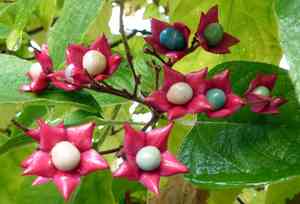
Celebrated for its aromatic white blossoms and vivid blue fruit, Clerodendrum trichotomum contributes decorative appeal to landscapes. Perform pruning in early spring prior to new development, eliminating deceased or intersecting limbs to preserve its form and well-being. Diligently reduce crowded sections to boost air movement. Restrict severe trimming to foster continuous blooming. Pruning improves air circulation and light access, which are vital for the plant's vigor and flower yield.
What Are the Benefits of Pruning Harlequin Glorybower?
What Are the Benefits of Pruning Harlequin Glorybower?
Trimming harlequin glorybower promotes robust development and preserves its form. Regular removal of dead or overgrown branches ensures structural integrity and boosts its aesthetic appeal.
What Is the Best Time for Pruning Harlequin Glorybower?
What Is the Best Time for Pruning Harlequin Glorybower?
Early spring is considered ideal for pruning harlequin glorybower as it aligns with the end of its dormant phase, just before new growth emerges. Pruning at this time allows for shaping and removal of damaged or dead wood without affecting the late summer bloom. Additionally, cutting back harlequin glorybower in early spring, when it's not actively growing, minimizes plant stress and reduces disease transmission risk through fresh cuts. By pruning before new leaves and stems appear, gardeners can better assess the plant's structure and make optimal cuts for healthy, attractive growth. Pruning after the flowering season can remove the current year's fruit, a key ornamental feature, and potentially lessen the following year's flowering.
What Tools Do I Need to Prune Harlequin Glorybower?
Hand Pruners
Harlequin glorybower is a deciduous shrub reaching up to 15 feet in height and width. Hand pruners are perfect for shaping and trimming, cutting dead or overgrown branches up to 3/4 inches in diameter.
Loppers
For larger branches, up to 2 inches in diameter, common in mature harlequin glorybower, loppers provide the necessary leverage and reach for clean cuts without harming the plant.
Pruning Saw
Occasionally, harlequin glorybower can have branches exceeding 2 inches, especially in older, more vigorous specimens. A pruning saw is essential for efficiently cutting through these substantial branches.
Gardening Gloves
When pruning harlequin glorybower, it's wise to shield hands from its aromatic but potentially irritating foliage. Gardening gloves can prevent unexpected skin reactions or cuts.
Safety Glasses
To ensure eye protection when cutting overhead or through dense foliage, safety glasses are advised to guard against flying debris and dust.
How to Prune Harlequin Glorybower
Step1: Assess Plant Health for Pruning
Evaluate the overall health and structure of harlequin glorybower before pruning. Specifically look for dead branches, sucker growth, and diseased parts. Pruning should occur in late winter or early spring before new growth starts.
Step2: Remove Dead Branches
Begin by removing any dead branches. Cut them back to their base or to where they connect with a larger branch. Use clean, sharp pruning shears or a saw for thicker branches. Make cuts at a slight angle, away from buds or remaining branches, to allow water runoff and reduce disease risk.
Step3: Eliminate Sucker Growth
Identify sucker growth, which often sprouts from the base or roots of harlequin glorybower. Suckers can drain energy from the main plant and create a messy appearance. Cut these as close to the main stem or roots as possible, using sharp, clean tools.
Step4: Prune Out Diseased Parts
Carefully remove any diseased parts of harlequin glorybower. Disinfect your pruning tools before and after use to prevent disease spread to healthy sections. Cut diseased portions well below the affected area, ensuring all signs of disease are gone.
Step5: Shape the Plant if Necessary
Once dead, non-essential, and diseased parts have been removed from harlequin glorybower, assess its shape. Prune for shape only if needed, as harlequin glorybower may naturally develop an attractive form without extensive trimming.
Step6: Clean Up Pruned Material
Clear all removed plant material from around the base of harlequin glorybower. Dispose of diseased material properly to prevent pathogen spread. Do not compost diseased or infected plant parts.
Step7: Care After Pruning
After pruning harlequin glorybower, provide ample water and mulch to aid its recovery. Minimize stress by avoiding immediate fertilization, as it can promote unsustainable new growth while harlequin glorybower is healing.
Post-Pruning Care for Harlequin Glorybower
Post-Pruning Care for Harlequin Glorybower
Immediately after pruning harlequin glorybower, water the plant thoroughly to alleviate stress. Maintain slightly elevated humidity and ensure harlequin glorybower is in partial shade to protect fresh cuts from intense sun. Resume fertilization with a balanced, slow-release formula after a few weeks to support regrowth. Monitor harlequin glorybower for wilting leaves or sap leakage, which could signal stress or infection. If these signs appear, adjust care and consult a horticultural expert if conditions don't improve.
Common Pruning Mistakes with Harlequin Glorybower
Excessive Pruning Causes Plant Shock
Pruning harlequin glorybower too aggressively can induce shock, leading to stunted growth or reduced flowering. It's vital to avoid removing more than one-third of the plant's total volume in a single pruning session.
Pruning New Growth Reduces Flowering
Cutting off new growth or flower buds without recognizing them can result in fewer blooms. Since harlequin glorybower flowers on new wood, novices might accidentally remove the current year's flowering wood.
Using Dull Tools Damages Stems
Using dull or unclean pruning tools can harm harlequin glorybower's stems and introduce disease. It's crucial to use sharp, sanitized tools for precise, clean cuts.
Common Pruning Tips for Harlequin Glorybower
Thin Out Crowded Branches for Health
Thin out congested branches to enhance air circulation and light penetration, fostering healthy growth and improved flowering. Focus on removing interior branches that cross or rub.
Selective Pruning for Natural Shape
Shape harlequin glorybower by selectively pruning to maintain a natural form. Cut back to a lateral branch, leaf node, or bud facing the desired direction of new growth.
Prune Tips for Bushier Growth
Encourage denser growth by trimming the tips of young stems. Doing this early in the season allows the plant to recover and produce a flush of new growth, which will bear blooms later.



