How to Prune Bleeding-heart vine?
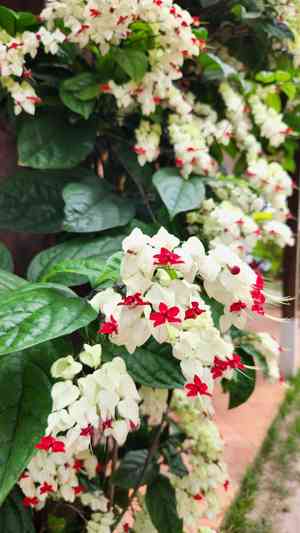
This decorative climbing plant, renowned for its cordate blossoms and rapid development, thrives with consistent upkeep. Bleeding-heart vine requires trimming subsequent to its blooming period to preserve its form and encourage vigorous well-being. Shorten elongated stalks and eliminate any deceased or frail growth. Although bleeding-heart vine withstands pruning throughout the year, post-flowering trimming is optimal, as it stimulates fresh development that can improve the subsequent flowering phase. Advantages of pruning encompass thicker foliage, an increased number of flowers, and regulated expansion, guaranteeing that bleeding-heart vine continues to be an appealing element in any landscape.
What Are the Benefits of Pruning Bleeding-heart Vine?
What Are the Benefits of Pruning Bleeding-heart Vine?
Trimming bleeding-heart vine promotes abundant blooms, revitalizes growth, and maintains its desired shape. It's crucial to cut back elongated branches to encourage a denser habit and improve the plant's overall look.
What Is the Best Time for Pruning Bleeding-heart Vine?
What Is the Best Time for Pruning Bleeding-heart Vine?
Pruning bleeding-heart vine in late winter or early spring is optimal, as it prepares the plant for a vigorous growing season by stimulating new growth that will produce flowers. This allows gardeners to shape the vine and control its size without affecting flowering, since bleeding-heart vine blooms on new wood. Light trimming in other seasons can help maintain the desired form and remove any dead or damaged branches without significantly impacting the plant's overall health.
What Tools Do I Need to Prune Bleeding-heart Vine?
Hand Pruners
For precise cuts on stems and smaller branches, hand pruners are perfect for bleeding-heart vine, enabling gardeners to shape the vine and remove dead or diseased material without causing undue harm to the plant.
Pruning Saw
When dealing with thicker, older stems or branches of bleeding-heart vine that hand pruners can't manage effectively, a pruning saw is the preferred tool. Its blades are designed to cut through woodier material cleanly and with minimal effort.
Long-Handled Loppers
These are useful for reaching higher or deeper into the plant without overstretching. The extended handles provide leverage for easier cutting, which is especially helpful for bleeding-heart vine's dense growth.
Gardening Gloves
Gloves protect hands from thorns and sap that might be present when pruning bleeding-heart vine. They also offer a better grip on tools.
Cleaning Supplies
Tools should be cleaned and disinfected before and after use to prevent disease spread. Alcohol wipes or a bleach solution can be used for this purpose with bleeding-heart vine.
How to Prune Bleeding-heart Vine
Step1: Timing for Pruning after Blooming
Wait for the correct timing, typically after bleeding-heart vine blooms or in early spring. Pruning too late can remove flower buds and reduce flowering.
Step2: Sanitization of Pruning Tools
Sanitize your pruning tools to prevent disease transmission. A solution of 1 part bleach to 9 parts water works effectively.
Step3: Identification of Old Stems
Identify old stems that have already flowered. They usually have a woodier base and less vibrant green color compared to new growth.
Step4: Proper Pruning Technique
Make cuts using sharp, clean pruning shears. For old stems, cut at a 45-degree angle about 1/4 inch above a healthy node or bud. This will encourage new growth.
Step5: Deadheading Spent Flowers
Locate faded flowers and snip them off just above the first full set of leaves below the flower head. This promotes continuous blooming.
Step6: Trimming Leggy Growth
Examine bleeding-heart vine for elongated growth, often due to insufficient light. Trim these stems back to the desired length, ensuring cuts are made just above a leaf node to encourage bushier growth.
Step7: Thinning for Shape and Health
Shape the plant by selectively thinning out overcrowded areas. Remove some stems at their base to improve air circulation and light penetration.
Step8: Cleanup and Post-Pruning Care
After pruning, clear the area of all cut material, which can harbor pests or diseases, and provide appropriate care for recovery, such as watering and mulching if necessary.
Post-Pruning Care for Bleeding-heart Vine
Post-Pruning Care for Bleeding-heart Vine
Immediately after pruning bleeding-heart vine, water thoroughly to alleviate stress and promote recovery. Maintain a humid environment, ensuring bright, indirect light and avoiding temperature extremes. Resume fertilization with a balanced blend a month post-pruning to support growth. Inspect regularly for stress signs such as wilting or discolored leaves; treat promptly with fungicides or pest control if infections or infestations are detected.
Common Pruning Mistakes with Bleeding-heart Vine
Avoid Over-Pruning to Preserve Bloom Buds
Excessive pruning of bleeding-heart vine can lead to reduced flowering, as bleeding-heart vine blooms on old wood. Removing too much growth can eliminate the buds that would produce the upcoming season's flowers.
Use Clean, Sharp Tools to Prevent Damage
Making cuts on bleeding-heart vine without using clean, sharp pruning tools. Dull or dirty tools can damage stems and make bleeding-heart vine vulnerable to disease.
Prune with Purpose to Avoid Unnecessary Cuts
Pruning bleeding-heart vine without a clear objective, such as to shape the vine, encourage bushier growth, or remove dead wood, which can result in unnecessary or counterproductive cuts.
Common Pruning Tips for Bleeding-heart Vine
Precise Cuts with Clean Shears Reduce Disease Risk
Use clean, sharp shears or secateurs to make precise cuts on bleeding-heart vine, which will promote quicker healing and reduce the risk of disease.
Pinch Back Tips for Fuller Plant Growth
To encourage a fuller, bushier appearance, pinch back the tips of bleeding-heart vine during the growing season, ensuring you're only removing the very end of the branches.
Cut Above Node for Directed Growth
When reducing the size of bleeding-heart vine or controlling its shape, cut back to just above a leaf set or node, which will stimulate new growth in the desired direction.



