How to Prune Glory-bower?
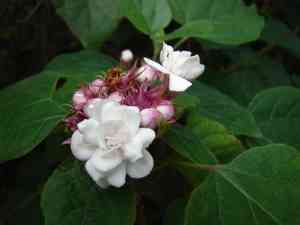
This decorative bush is recognized for its vibrant blossoms and robust development. For glory-bower, trimming ought to occur in late winter or early spring prior to the emergence of new buds. Sever any lifeless or excessively long branches to preserve its form and stimulate denser growth. Eliminate basal shoots and reduce congested sections to enhance air movement. Consistent trimming fosters abundant flowering and can avert prevalent fungal ailments by boosting light penetration across the leaves.
Advantages of Trimming Glory-bower
Advantages of Trimming Glory-bower
Trimming glory-bower promotes robust development and maintains its desired form. Regular cutting eliminates dead or overgrown branches, enhancing air circulation and light penetration, which are vital for the plant's well-being and appearance.
Optimal Time for Pruning Glory-bower
Optimal Time for Pruning Glory-bower
Pruning glory-bower during late winter or early spring is advisable as this period aligns with the plant's dormant phase, just before the start of its new growth cycle. Trimming in late winter minimizes the duration cuts are exposed before new growth begins, reducing risks of illness or weather damage. Early spring pruning is ideal because it allows gardeners to shape the plant and remove any frost damage from winter while the plant is still inactive. Pruning glory-bower at this time also ensures energy is directed towards new growth, leading to abundant flowering in the subsequent season.
Essential Tools for Pruning Glory-bower
Bypass Pruners
Perfect for making clean cuts on live branches of glory-bower, fostering healthy development. Suitable for stems up to 3/4-inch thick, allowing for precise shaping of the shrub.
Loppers
Offer the extended reach and leverage needed for trimming thicker branches of glory-bower that are up to 2 inches in diameter. Crucial for preserving the plant's structure.
Pruning Saw
Required for removing larger limbs over 2 inches thick. Ensures clean cuts without harming the bark or main stems of glory-bower.
Hand Shears
Best for shaping hedges of glory-bower, enabling detailed work and maintaining its ornamental look.
Gloves
Hand protection from thorns and rough branches while pruning glory-bower.
Cleaning Solution
Used to cleanse and sanitize pruning tools between cuts to prevent the spread of disease in glory-bower.
Steps to Prune Glory-bower
Clean Tools
Before pruning glory-bower, sterilize your pruning shears with alcohol or a bleach solution to prevent the spread of disease.
Inspect
Examine glory-bower closely to identify dead or diseased branches. Signs of disease include discolored, wilted, or deformed leaves and stems.
Cut Diseased Branches
Using your sterilized shears, carefully cut away any diseased branches on glory-bower. Make cuts at a 45-degree angle, just above a healthy node or bud, to promote new growth.
Remove Dead Branches
Remove dead branches from glory-bower by cutting them back to the point of origin or to a main stem. Do not leave stubs, as they can encourage decay.
Disposal
Dispose of removed dead and diseased material away from glory-bower immediately to prevent reinfection or infestation. Do not compost infected plant material.
Common Pruning Errors with Glory-bower
Overpruning
Removing too much foliage from glory-bower at once can stress the plant, leading to reduced flowering and potentially harming its overall health.
Improper Cut Location
Cutting glory-bower in the wrong place, such as too far from a node or into old, woody growth, can hinder healing and encourage disease.
Using Dull Tools
Pruning glory-bower with dull or dirty equipment can cause jagged cuts that are more susceptible to pests and diseases.
Neglecting Diseased Material
Failure to remove diseased or damaged growth from glory-bower can lead to the spread of disease and weaken the plant.
Disregarding Plant Shape
Pruning without considering glory-bower's natural shape can lead to an unsightly plant and potentially stifle its normal growth patterns.
General Pruning Advice for Glory-bower
Hygienic Practice
Always use clean, sharp tools for pruning glory-bower to promote clean cuts and reduce the risk of disease transmission.
Cut To Node
Make cuts just above leaf nodes to encourage glory-bower to produce new growth and maintain a compact, bushy shape.
Selective Pruning
Prune glory-bower selectively, removing only dead, diseased, or overgrown branches to maintain plant health and encourage flowering.
Shape Maintenance
When shaping glory-bower, follow its natural growth habit to keep it looking attractive and encourage blooming while avoiding excessive cutting.
Aftercare
After pruning glory-bower, ensure appropriate aftercare, including adequate watering and feeding, to support the plant's recovery and growth.



