How to Prune Puawhananga?
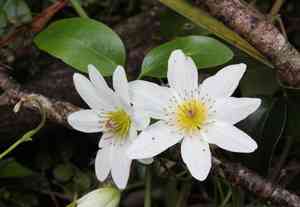
This robust climbing vine is recognized for its flowing blossoms. For puawhananga, trimming ought to occur in early spring or during winter to foster robust development and blooming. Reduce the prior year's stalks to a sturdy cluster of buds approximately 30cm from the soil. Removing spent flowers stimulates additional blooms. Consistent trimming guarantees a controllable dimension and revitalizes the plant, enabling sunlight to reach it and enhance its general well-being. Pruning at the appropriate moment prevents the removal of the current year's flowers.
What Are the Benefits of Pruning Puawhananga?
What Are the Benefits of Pruning Puawhananga?
Trimming puawhananga promotes abundant flower production, stimulates robust development, and maintains a desired shape for aesthetic appeal and managing space in the garden.
What Is the Best Time for Pruning Puawhananga?
What Is the Best Time for Pruning Puawhananga?
Pruning in early spring allows puawhananga to recover quickly as its growth cycle restarts with warmer temperatures, fostering healthy new development. Late winter pruning is beneficial because the plant is dormant, minimizing stress and disease risk. This timing also prevents cutting off new spring buds, ensuring full flowering potential. Seasonal trimming aligns with puawhananga's natural cycle, optimizing vitality and bloom quality.
What Tools Do I Need to Prune Puawhananga?
Bypass Pruners
Perfect for making clean cuts through puawhananga's relatively thin stems, bypass pruners operate by a sharp blade passing a broad base, similar to scissors. This design minimizes damage to the plant's tissue, encouraging healthier regrowth.
Pruning Saw
For the older, woodier stems of puawhananga that can develop over time, a pruning saw with fine teeth is recommended. It enables cutting larger stems that bypass pruners cannot handle effectively without harming the plant.
Long-Handled Loppers
When puawhananga has matured and reached heights that make it difficult to prune with hand pruners alone, long-handled loppers can be utilized. These offer leverage and reach, simplifying the pruning of higher vines without overstretching.
Garden Gloves
Protective gardening gloves should be worn to shield hands from any potential thorns or sharp stems when pruning puawhananga, ensuring safety while handling the plant.
Clean Cloth and Disinfectant
To minimize disease transmission, tools should be wiped clean with a disinfectant before and after pruning puawhananga. This promotes plant health and prevents cross-contamination.
How to Prune Puawhananga
Clean tools
Sanitize pruning shears and other implements before beginning to prevent the spread of disease to puawhananga.
Remove diseases
Carefully eliminate any diseased leaves or branches from puawhananga, ensuring precise cuts to encourage healthy regrowth.
Eliminate dead material
Cut away dead branches and withered leaves from puawhananga to enhance air circulation and light penetration, which can stimulate new growth.
Prune flowers
Trim off faded flowers from puawhananga right below the flower base to encourage more blooms and maintain a tidy appearance.
Shape plant
Shape puawhananga by selectively removing excessive growth and crowded areas, promoting better form and vigor.
Common Pruning Mistakes with Puawhananga
Over-pruning
Removing too much growth at once can stress puawhananga, leading to poor health and reduced flowering. This is a frequent error that can undermine the plant's vigor.
Improper cuts
Making cuts too close to the main stem or leaving too long of a stub can both be harmful. The former can damage the main stem, while the latter can result in dead stubs that invite disease.
Complete neglect
Failing to prune puawhananga at all may result in a tangle of old and new growth, which can hinder its performance as a vigorous climber with optimal flowering.
Wrong tools
Using dull or dirty tools can create ragged cuts that are more susceptible to disease and may not heal properly, thus impairing puawhananga's growth and health.
Pruning for size control
Attempting to control the size of puawhananga through severe pruning is not advisable. Puawhananga is a vigorous plant and is best allowed to grow to its natural height and spread.
Common Pruning Tips for Puawhananga
Right tool selection
Use sharp, clean pruning shears or loppers for clean cuts that heal quickly, reducing the likelihood of disease.
Annual thinning
Regularly remove any dead or weak stems to encourage air circulation and new growth, which can lead to more prolific blooming.
Post-flowering cutback
After the main bloom period, a light pruning can encourage a second flush of flowers later in the season and improve overall plant shape and vigor.
Strategic shaping
Prune puawhananga to shape it according to the support structure it's growing on, allowing it to display its full blooming potential in its designated space without completely reining in its natural size.
Maintenance pruning
Throughout the growing season, trim any stray or unwieldy vines to maintain the health and appearance of puawhananga, fostering a balance between growth and flowering.



