How to Prune Farewell to spring?
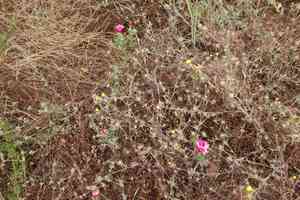
This yearly flowering plant, featuring vibrant blossoms, flourishes under direct sunlight. For Clarkia amoena, in spring, nip off the growing tips to foster a denser growth habit. After the initial flowering period, trim the stalks to stimulate a subsequent bloom. Perform pruning from early spring through late autumn, refraining from doing so in winter to safeguard emerging buds. Trimming boosts the quantity of flowers and sustains the plant's robustness.
What Are the Benefits of Pruning Farewell To Spring?
What Are the Benefits of Pruning Farewell To Spring?
Trimming farewell to spring promotes robust development and maintains its desired form. It enhances air circulation, stimulates blossom production, and helps manage its size for an attractive appearance.
What Is the Best Time for Pruning Farewell To Spring?
What Is the Best Time for Pruning Farewell To Spring?
Trimming farewell to spring in early spring is ideal as it fosters vigorous new growth and helps preserve the plant's structure. It also allows for the removal of any dead or damaged stems from winter, without impacting the upcoming flowering season. Pruning in late autumn is perfect for cutting back any faded flowers and tidying up the plant after its growth period. This prepares farewell to spring for dormancy and encourages better blooming in the subsequent season. Furthermore, pruning during these times aligns with the plant's natural growth cycle and minimizes stress, enabling the plant to recover swiftly and flourish.
What Tools Do I Need to Prune Farewell To Spring?
Hand Pruners
For farewell to spring, hand pruners are perfect for making precise cuts on its relatively slender stems. They offer accurate control, which is essential given the delicate nature of farewell to spring's foliage and flower stalks.
Scissors
Sharp gardening scissors can be utilized for deadheading farewell to spring or trimming small, delicate areas. They are less likely to crush the stems compared to heavier implements.
Gloves
Wearing gloves safeguards the gardener's hands from potential irritation when pruning farewell to spring, as handling the plants might cause skin sensitivity for some individuals.
How to Prune Farewell To Spring
Step1: Tool Sterilization
Start by sanitizing your pruning tools with rubbing alcohol or a bleach solution to prevent the spread of disease to farewell to spring.
Step2: Old Blossom Identification
Locate old blossoms on farewell to spring that have faded or wilted, indicating they are past their prime and require removal.
Step3: Cutting Positioning
Grasp the stem just below the spent blossom between your thumb and forefinger, using clean, sharp scissors or pruning shears for accuracy.
Step4: 45-Degree Angle Cut
Make a clean cut at a 45-degree angle approximately 1/4 inch above the first set of healthy leaves below the old blossom to encourage new growth.
Step5: Remove and Discard
Dispose of the pruned blossoms away from farewell to spring to prevent any potential disease or pest issues.
Step6: Regular Monitoring
Observe farewell to spring for additional old blossoms and repeat the pruning process as needed throughout the blooming period to promote continuous flowering.
Step7: Post-Pruning Watering
Water farewell to spring after pruning to reduce stress and provide support for the creation of new blooms.
Step8: Fertilization
Apply a balanced, slow-release fertilizer following pruning to provide farewell to spring with the necessary nutrients to produce new flowers.
Post-Pruning Care for Farewell To Spring
Post-Pruning Care for Farewell To Spring
Immediately after trimming farewell to spring, ensure a clean cut to prevent disease and maintain plant shape. Place farewell to spring in moderate indirect light; avoid full sun to minimize stress. Maintain consistent moistureâwater when the top inch of soil is dryâand keep humidity moderate. Post-pruning, apply a balanced, diluted fertilizer to support new growth. Monitor farewell to spring for wilting or discolored leaves as indicators of stress. At any sign of infection, such as unusual spots or decay, treat promptly with an appropriate fungicide.
Common Pruning Mistakes with Farewell To Spring
Stress and Reduced Flowering from Over-pruning
Excessive pruning, which can stress farewell to spring and lead to diminished flowering.
Damage and Disease from Dull or Dirty Tools
Trimming with dull or unclean tools that can harm stems and introduce disease.
Harm to Growth Potential by Pruning Too Close to Nodes
Cutting too close to the main stem or node, which can impede future growth and blooming potential.
Decreased Second Bloom by Not Removing Spent Flowers
Failing to remove faded flowers, which can lessen the likelihood of a second bloom.
Neglected Plant Health by Ignoring Diseased Tissue
Overlooking diseased or damaged tissue, which should be removed immediately to preserve plant health.
Common Pruning Tips for Farewell To Spring
Clean Cuts for Quick Recovery with Sharp Shears
Utilize sharp, clean pruning shears to make precise cuts, which aid farewell to spring in recovering quickly.
More Blooms by Deadheading Spent Flowers
Deadhead, or remove faded flowers, to encourage farewell to spring to produce more blossoms.
Promote New Growth with 45-Degree Angle Cuts Above Nodes
Make cuts at a 45-degree angle approximately 1/4 inch above a node or branching point to stimulate new growth.
Prevent Pathogen Spread by Pruning Damaged Parts
Trim away any dead, damaged, or diseased parts of farewell to spring as soon as they are noticed to prevent the spread of pathogens.
Encourage Branching and Fuller Shape by Pinching
Pinch back tips of young farewell to spring to encourage branching and create a denser shape.



