How to Prune Yellowwood?
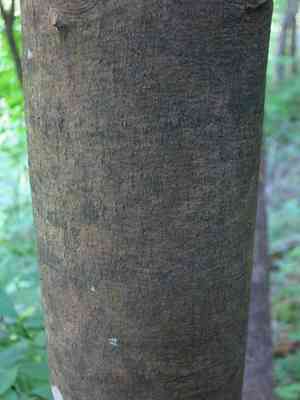
Hailing from the Southeastern regions of the United States, yellowwood is highly valued for its aromatic white blossoms and sleek, silvery bark. Perform pruning on yellowwood during the late winter or early spring period, prior to the emergence of new foliage. Essential methods involve excising deceased or fractured limbs, reducing crowded sections to boost light infiltration and air circulation, and sculpting the crown for form and visual attractiveness. Refrain from extensive pruning, as yellowwood exhibits a slow recovery process. Trimming encourages development, controls the tree's dimensions, and elevates its decorative charm.
Advantages of Trimming Yellowwood
Advantages of Trimming Yellowwood
Trimming yellowwood promotes robust development and helps maintain its desired shape. It's crucial to eliminate dead or weak branches to improve yellowwood's structure and vitality.
Optimal Period for Trimming Yellowwood
Optimal Period for Trimming Yellowwood
Late winter and early spring are considered ideal for trimming yellowwood because this timing allows gardeners to remove any damaged or diseased wood before new growth begins, which is crucial for the plant's health and its growth cycle. Trimming during this period minimizes the risk of infection and allows cuts to heal promptly. Furthermore, as yellowwood typically flowers in late spring to early summer, trimming in late winter or early spring ensures that the plant's blooming potential is not compromised since the flower buds have not yet formed. This timing also allows yellowwood to direct energy towards producing robust new growth and abundant flowers in the following season.
Necessary Tools for Trimming Yellowwood
Hand Pruners
Essential for making clean cuts on smaller branches, perfect for shaping yellowwood or removing small, dead, or damaged wood.
Loppers
Offer leverage to cut branches up to 1.5 inches in diameter, suitable for yellowwood's thicker branches.
Pruning Saw
Required for the removal of large limbs that loppers cannot handle, ensuring a precise cut without harming yellowwood.
Pole Pruner
Useful for reaching higher branches of yellowwood without needing a ladder, providing safety and convenience during upkeep.
Hedge Shears
Perfect for trimming and shaping hedges if yellowwood is cultivated as a hedge, allowing for uniform, clean cuts across foliage.
Safety Gear
Includes gloves and protective eyewear to prevent injuries while trimming yellowwood.
Wound Dressing
Though generally not advised, use only if necessary to shield large cuts from disease and pests that could affect yellowwood.
How to Trim Yellowwood
Step1: Timing for Trimming
Determine the best time to trim yellowwood, which is late winter to early spring before new growth starts. This timing helps prevent bleeding, which is when the tree sap flows from the cuts.
Step2: Tool Sterilization
Sterilize trimming tools before use to prevent the spread of disease. You can clean the blades with alcohol or a 10% bleach solution.
Step3: Dead Wood Identification
Inspect yellowwood for dead wood by looking for branches that lack buds, appear dry and brittle, or are discolored. These branches will not bend easily and will snap when bent.
Step4: Dead Wood Removal
Remove dead wood by cutting at the base of the branch. Make the cut just outside the branch collar, which is the swelling where the branch meets the trunk or parent branch, to promote proper healing.
Step5: Diseased Limb Identification
Identify diseased limbs by looking for discoloration, unusual growth patterns, or the presence of fungi. Confirm that a branch is diseased before removing it, as some discolorations may be normal for yellowwood.
Step6: Diseased Limb Trimming
Trim diseased limbs by cutting them back to healthy tissue. Look for a clear transition point where the wood appears normal. If the disease has spread significantly, you may need to remove the entire branch as described in the previous steps.
Step7: Diseased Wood Disposal
Dispose of diseased wood properly by burning it or placing it in a sealed bag for trash collection. Do not compost diseased branches as this can spread pathogens.
Step8: Shape Evaluation
After trimming dead and diseased limbs, step back to assess the overall shape of yellowwood. Look for any branches that may be at risk of breaking or crossing over others, which could lead to future problems.
Step9: Selective Shaping
If additional shaping is required, selectively trim to enhance yellowwood's natural form rather than imposing an artificial shape. Focus on creating an open structure that allows light and air to penetrate the canopy.
Step10: Clean Cut Technique
Make all cuts clean and precise to promote quick healing. Avoid leaving stubs or tearing the bark, as this can lead to decay and attract pests.
Step11: Trimming Limitation
Limit the amount of trimming done in a single season. As a general rule, do not remove more than 25% of yellowwood's canopy at one time to avoid stressing the tree.
Step12: Post-Trimming Monitoring
Monitor the tree for signs of stress or disease in the following growing season, and adjust your trimming strategy accordingly. Healthy trimming practices will help ensure yellowwood remains a vibrant part of your landscape.
Aftercare for Yellowwood Post-Trimming
Aftercare for Yellowwood Post-Trimming
Immediately after trimming yellowwood, clean cuts should be allowed to heal naturally. Ensure yellowwood is situated in a spot with sufficient sunlight but shield it from intense direct light. Maintain moderate humidity and a stable temperature, avoiding extremes. Implement a balanced fertilization regimen to encourage vigorous regrowth, applying a slow-release fertilizer to support healing and development. Regularly inspect yellowwood for signs of distress, such as wilting or discoloration, and potential infection indicated by oozing or unusual growth. If symptoms appear, promptly treat with an appropriate fungicide or insecticide.
Common Trimming Errors with Yellowwood
Avoid Excessive Trimming to Prevent Shock
Excessive trimming or removing too much of yellowwood's canopy at once can shock the tree and lead to poor health or reduced flowering.
Do Not Cut Old Growth to Preserve Blooms
Cutting into yellowwood's old wood can hinder blooming since yellowwood forms flowers on old growth.
Trim with Purpose to Avoid Imbalance and Disease
Trimming without a clear purpose or plan, which can result in an unbalanced shape or create opportunities for disease and pests.
General Trimming Advice for Yellowwood
Remove Only Dead or Diseased Branches
Focus on removing only dead, diseased, or damaged branches to maintain the health and structure of yellowwood.
Use Clean, Sharp Tools for Healthy Cuts
Use clean and sharp tools to make precise cuts, which will help prevent damage to yellowwood's bark and minimize the risk of disease.
Trim for Shape and Circulation to Decrease Disease Risk
Trim for shape and air circulation by selectively thinning out crowded branches, improving the form of yellowwood and reducing the likelihood of fungal diseases.



