How to Prune Hardy orange?
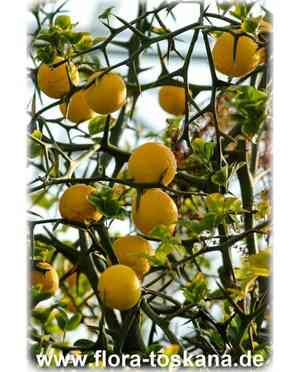
A deciduous bush featuring three-lobed leaves and spiny stems, Poncirus trifoliata greatly benefits from trimming to preserve its vitality and form. Essential methods involve reducing dense branches and eliminating deceased or ailing wood. The ideal time for pruning is in early spring, prior to the emergence of new shoots. Trim to improve air movement and light exposure, thereby lowering the chance of illness. Deliberate shaping can cultivate a robust framework in juvenile plants, whereas established individuals might only require periodic upkeep trimming.
What Are the Benefits of Pruning Hardy Orange?
What Are the Benefits of Pruning Hardy Orange?
Trimming hardy orange encourages strong development and maintains its desired shape. Regular cutting promotes a robust framework, vital for supporting fruit production and withstanding weather conditions.
What Is the Best Time for Pruning Hardy Orange?
What Is the Best Time for Pruning Hardy Orange?
Early spring is optimal for pruning hardy orange as it precedes the new growth cycle. Pruning at this time minimizes plant stress, as it hasn't yet directed energy into leafing out. Removing branches or thinning in early spring allows for quick wound healing, reducing disease risk and fostering vigorous growth. Additionally, shaping the plant is easier before foliage obscures its structure. This timing also avoids disrupting the flowering or fruiting period, which is essential for ensuring good harvests of the fruit.
What Tools Do I Need to Prune Hardy Orange?
Hand Pruners
Perfect for cutting small branches on hardy orange, hand pruners come in two varietiesâbypass and anvil. Bypass pruners are recommended for making clean cuts on live branches up to 3/4 inch thick, to prevent disease and encourage healthy growth.
Lopping Shears
For branches thicker than 3/4 inch and up to about 1.5 inches, lopping shears offer the necessary leverage with their long handles. This tool is ideal for reaching into the dense growth of hardy orange and performing precise cuts without harming nearby branches.
Pruning Saw
When dealing with branches over 1.5 inches thick, or areas where lopping shears cannot fit, a pruning saw is the preferred tool. A folding saw with a curved blade will assist in making clean cuts through thicker portions of hardy orange.
Hedge Shears
For shaping hardy orange or trimming back new growth to maintain a desired size or form, hedge shears are useful. They allow for quick and even cuts over a larger surface area.
Pole Pruner
If hardy orange has branches that are out of reach, a pole pruner with a pruning head and saw attachment can safely cut high branches without the need of a ladder.
Gloves
Durable gloves are essential to protect hands from thorns and rough bark while pruning hardy orange.
Cleaning Solution
To prevent the spread of diseases, it is vital to clean all pruning tools with a solution of 1 part bleach to 9 parts water before moving to a different specimen of hardy orange or other plants.
How to Prune Hardy Orange
Step1: Tool Preparation and Sterilization
Prepare the necessary tools for pruning hardy orange. Use clean and sharp secateurs for smaller branches, loppers for medium-sized branches, and a pruning saw for larger deadwood. Sterilize all tools with a solution of one-part bleach to nine parts water to prevent the spread of disease.
Step2: Identifying Dead Branches
Identify dead branches on hardy orange by looking for wood that is brittle, lacks flexibility, and has a darker or different color than healthy branches. These should be pruned back to live, healthy tissue.
Step3: Removing Diseased Branches
Locate diseased branches on hardy orange. Look for signs such as cankers, rot, unusual coloration, or lesions. Make sure to remove the entire diseased section to prevent further infection. Cut diseased wood at least 4 to 6 inches into healthy tissue.
Step4: Pruning Broken Branches
Check hardy orange for broken branches, which may be physically hanging or clearly damaged. Prune broken branches back to just above a healthy bud or branch junction to encourage proper healing and new growth.
Step5: Preliminary Cut for Large Branches
When removing larger branches from hardy orange, make a preliminary cut on the underside of the branch approximately 6 to 12 inches away from the trunk to prevent bark from tearing. Follow with an overhand cut to remove the branch.
Step6: Smoothing the Stump & Protecting the Collar
After cutting off dead, diseased, or broken branches, smooth out the stump to just outside the branch collar (the swollen area where the branch meets the trunk). Do not cut the branch collar itself, as it contains important healing tissues.
Step7: Shaping and Balancing the Plant
Once all necessary branches on hardy orange have been removed, shape the plant for optimal health and appearance. Prune to maintain a balanced structure, allowing air and light to penetrate the canopy, which helps reduce disease and promotes even fruiting.
Step8: Disposal of Pruned Branches
Dispose of all removed branches from hardy orange properly. Do not compost diseased wood. Either burn it if local regulations permit or seal it in a bag for disposal to prevent the spread of pathogens.
Step9: Post-Pruning Tool Sterilization
Clean and sterilize your tools after finishing pruning hardy orange to prevent the potential transfer of any diseases to other plants in your garden.
Step10: Monitoring Plant Health Post-Pruning
Monitor hardy orange after pruning for signs of new growth and assess tree health. Ensure that the tree is watered adequately and consider applying a balanced fertilizer to support recovery if necessary.
Post-Pruning Care for Hardy Orange
Post-Pruning Care for Hardy Orange
After pruning hardy orange, promptly sanitize the cuts to prevent infection. Provide hardy orange with bright, indirect light and maintain moderate humidity and temperatures to facilitate recovery. Implement a gradual feeding schedule using a balanced fertilizer to encourage new growth without overwhelming hardy orange. Regularly inspect for signs of stress such as wilting or discoloration and respond by adjusting care as needed. Follow-up with proper irrigation ensuring soil moisture is consistent but not waterlogged.
Common Pruning Mistakes with Hardy Orange
Avoid Over-Pruning to Preserve Plant Vigor
Excessive pruning can be a significant issue for hardy orange. Removing too much foliage at once can weaken the plant and reduce its vigor.
Sterilize Tools to Prevent Disease Spread
Not sterilizing pruning tools before use can lead to the spread of diseases amongst hardy orange plants.
Do Not Cut Old Wood Without Reason
Cutting into the old wood without a clear reason can hinder the growth of hardy orange because it may not produce new shoots from old wood readily.
Assess Plant Structure Before Pruning
Pruning without assessing the plant's structure can result in a poor shape and reduce the overall aesthetic appeal of hardy orange.
Remove Dead or Diseased Branches Promptly
Ignoring dead, diseased, or damaged branches during pruning can compromise the health of hardy orange and hinder its performance.
Common Pruning Tips for Hardy Orange
Prioritize Removing Dead or Diseased Branches
Start by removing any branches on hardy orange that are dead, diseased, or damaged. This step is crucial for maintaining the plantâs overall health.
Prune Crossing Branches to Maintain Structure
Prune to maintain or improve the structure, focusing on crossing branches that can rub against each other and cause wounds susceptible to disease in hardy orange.
Make Clean, Angled Cuts Above Outward-Facing Buds
Make clean cuts at a 45-degree angle just above a bud facing outward. This helps direct new growth away from the center of hardy orange, which improves air circulation.
Thin Dense Growth for Better Light and Air Flow
Thinning out dense growth can improve light penetration and air flow, helping hardy orange to produce better flowers and fruit.
Prune to Lateral Branch for Healthy New Growth
When reducing the height or width of hardy orange, make sure to prune back to a lateral branch or bud to encourage healthy new growth.



