How to Prune Mandarin orange?
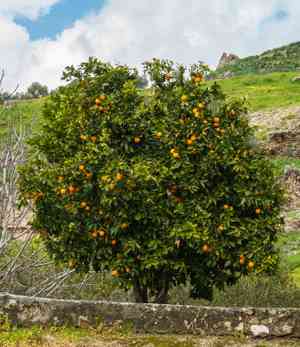
Recognized for its delightful, effortlessly peelable fruit, the mandarin orange thrives with regular trimming to enhance its vitality and yield. Essential methods involve reducing dense branches, eliminating basal shoots, and shortening vigorous upright growths. The most opportune time for pruning is in early spring, which helps sculpt the tree and improve air movement. Meticulous elimination of lifeless or infected wood prevents deterioration and sustains robustness. Furthermore, pruning allows sunlight to reach the fruits, thereby refining their hue and taste.
What Are the Benefits of Pruning Mandarin Orange?
What Are the Benefits of Pruning Mandarin Orange?
Trimming mandarin orange promotes a more abundant yield, stimulates robust development, and maintains the plant's form, contributing to optimal health and output.
What Is the Best Time for Pruning Mandarin Orange?
What Is the Best Time for Pruning Mandarin Orange?
Early spring is ideal for pruning mandarin orange as it occurs after the final frost when the plant is still dormant, yet prior to new growth emerging. This timing allows the plant to recover from cuts without new growth being susceptible to frost damage. Furthermore, pruning before mandarin orange enters its active growth phase ensures the plant's energy is directed towards developing strong new shoots, increasing fruit production, and improving overall vitality. Removing dead or diseased wood at this point also lessens the chance of pest infestations and disease spread during its active growing season.
What Tools Do I Need to Prune Mandarin Orange?
Hand Pruners
For severing smaller branches up to ¾ inch in diameter. Bypass pruners are preferred for mandarin orange as they create clean cuts essential for the plant's well-being, minimizing disease risk.
Loppers
For reaching into the foliage and cutting thicker branches, typically up to 1½ inches in diameter. The extended handles offer leverage for making precise cuts without harming mandarin orange.
Pruning Saw
For trimming branches exceeding 1½ inches in diameter. A saw with a curved blade aids in making accurate cuts on mandarin orange without causing unnecessary damage to the plant.
Hedge Shears
Generally not needed for mandarin orange, but can be utilized for shaping hedges if cultivated in that manner. Perfect for trimming small, soft growth to maintain a desired form.
Pole Pruner
For accessing higher branches without the need for a ladder. This is advantageous for taller mandarin orange trees to ensure safety and precise cuts from the ground.
How to Prune Mandarin Orange
Step1: Timing for Pruning
Determine the optimal period for trimming mandarin orange, typically in late winter or early spring before new growth begins. Avoid pruning in the fall as it can encourage new growth vulnerable to cold weather damage.
Step2: Sanitize Pruning Equipment
Ensure all pruning implements are sharp and disinfected to prevent disease transmission. Use a solution of one part bleach to nine parts water to sterilize pruning shears and saws.
Step3: Inspect for Dead Branches
Examine the tree for dead branches. These will appear dry, brown, and lack green tissue. Gently bend small twigs to check for brittleness, indicating dead wood.
Step4: Pruning Dead Branches
Remove dead branches by making clean cuts with shears or a saw. Cut just outside the branch collar at a 45-degree angle to the branch to encourage healing while avoiding trunk damage.
Step5: Remove Diseased Limbs
Identify and eliminate diseased limbs. Look for limbs with discoloration, unusual growths, or signs of insect infestation. Prune these limbs well below the affected area to ensure all diseased tissue is removed.
Step6: Clear Unproductive Branches
Address unproductive branches, which are those that haven't borne fruit or grown significantly in the past year. Prune such branches to allow light and air to reach the tree's center, promoting healthy growth and fruit production.
Step7: Shaping the Plant
Shape mandarin orange by selectively removing branches to maintain a balanced, open structure. The ideal shape is a slightly rounded canopy that allows sunlight to reach all parts of the tree.
Step8: Thinning the Canopy
Thin out the canopy by removing some interior branches. This improves air circulation and light penetration, reducing disease risk and promoting better fruit quality.
Step9: Post-Pruning Tool Cleaning
After pruning, clean all tools again to prevent any potential spread of disease to other plants or trees.
Step10: Disposal of Pruning Debris
Properly dispose of all removed branches and foliage. Do not compost diseased plant material as it may harbor pathogens that can contaminate the compost pile.
Step11: Monitor Plant Health Post-Pruning
Observe the tree after pruning for signs of stress or disease. Adequate watering and fertilization may be necessary to support mandarin orange recovery and growth.
Post-Pruning Care for Mandarin Orange
Post-Pruning Care for Mandarin Orange
Immediately after trimming mandarin orange, ensure thorough watering to alleviate stress. Keep mandarin orange in a well-lit area with indirect sunlight to aid recovery. Optimize humidity and temperature, avoiding extremes. Implement a balanced fertilization regimen to replenish nutrients, focusing on nitrogen-rich formulas to promote foliage growth. Monitor mandarin orange for wilting, discoloration, or lesions, indicating stress or infection, and apply appropriate fungicide or pest control measures promptly. Regular inspections will support mandarin orange's resilience and robust growth post-pruning.
Common Pruning Mistakes with Mandarin Orange
Over-pruning Reduces Fruiting and Damages Trees
Excessive pruning, which can stress mandarin orange trees and lead to diminished fruiting or even harm the tree.
Improper Pruning Technique Creates Disease-Prone Wounds
Trimming without correct technique, such as making jagged cuts or tearing limbs, which can create wounds vulnerable to disease.
Neglecting Water Sprouts and Suckers Drains Tree Energy
Ignoring water sprouts and suckers, which can deplete energy from the mandarin orange and result in unproductive growth.
Unsterilized Tools Risk Spreading Disease
Failing to sterilize tools before pruning, risking the transmission of disease between trees.
Wet Conditions Increase Disease Spread When Pruning
Pruning during damp conditions, which can spread diseases like fungal infections in the sensitive, freshly cut areas of mandarin orange.
Incorrect Cutting Harms Tree's Healing
Cutting too close to the trunk or remaining branch, which can damage the collar and hinder the mandarin orange's natural healing process.
Leaving Stubs Invites Pests and Disease
Leaving stubs when removing branches, as these can serve as entry points for pests and diseases.
Common Pruning Tips for Mandarin Orange
Sharp Tools for Clean Cuts and Quick Healing
Utilize sharp, clean pruning tools to make precise cuts on mandarin orange, lessening infection risk and promoting rapid healing.
Remove Dead Branches for Tree Health
Identify and eliminate any dead or diseased branches to maintain the health and vigor of mandarin orange.
Thinning to Improve Air Circulation and Reduce Disease
When thinning mandarin orange, focus on enhancing air circulation within the canopy to reduce humidity and lower disease risk.
Angle Cuts for Water Runoff and Reduced Rot
Cut branches at a 45-degree angle away from the bud to ensure water drains off the cut surface, minimizing potential rot.
Prune Excess for Balanced Growth and Fruit Production
Retain the main framework and trim excess branches to balance growth and fruit production in mandarin orange.
Promptly Remove Suckers to Redirect Resources
Remove water sprouts and suckers promptly, as they can divert resources from the fruit-bearing parts of mandarin orange.
Clean Cuts Preserve Branch Collar and Ensure Healing
Protect the tree's health by making clean cuts that leave the branch collar intact, ensuring proper healing.



