How to Prune Lemon?
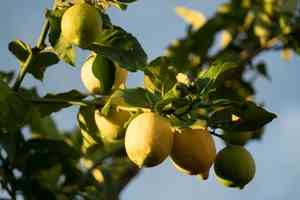
Renowned for its tart produce and aromatic flowers, the lemon tree thrives with appropriate trimming. Essential methods involve excising deceased or ailing branches, reducing dense foliage to enhance light exposure, and curtailing errant shoots to preserve its form. The ideal period for this activity is early spring, prior to the emergence of fresh development. Trimming improves the dimensions of the fruit, simplifies collection, and fosters general plant well-being. For lemon specifically, precise cuts near buds guide development and elevate yield.
Advantages of Trimming Lemon
Advantages of Trimming Lemon
Trimming lemon is vital for boosting fruit production, fostering vigorous development, and maintaining its desired shape. It facilitates improved light penetration and air circulation, both crucial for lemon's health and yield.
Optimal Period for Trimming Lemon
Optimal Period for Trimming Lemon
Early spring is considered ideal for trimming lemon, occurring after the final frost when the plant is not actively blooming or bearing fruit. Pruning at this time allows the plant to recover and channel energy into new growth before its active development phase. It aids in shaping the tree, promotes healthy growth, and enhances sunlight exposure and air movement. Avoiding pruning during flowering and fruiting periods ensures that the harvest is not negatively affected. This timing aligns with lemon's natural growth cycle, contributing to its overall vitality and productivity.
Required Tools for Trimming Lemon
Hand Pruners
Lemon requires precise cuts for removing small branches, twigs, and spent fruit, necessitating a sturdy, sharp pair of hand pruners. An ergonomic design minimizes hand strain during use.
Lopping Shears
For branches thicker than hand pruners can manage, lopping shears offer greater leverage and cutting power, making them perfect for branches up to 1.5 inches in diameter on lemon.
Pruning Saw
When lemon has branches exceeding 1.5 inches in thickness, a pruning saw becomes essential. It enables clean cuts on larger branches without harming the bark or unduly stressing the plant.
Hedge Shears
Lemon can sometimes develop dense foliage that may require shaping or thinning. Hedge shears are suitable for trimming and shaping the outer canopy of lemon.
Pole Pruner
To reach higher branches on lemon, a pole pruner provides the necessary extension for safe pruning without a ladder, especially useful for taller specimens.
Gloves
To safeguard hands from thorns and sharp twigs, gloves are indispensable when pruning lemon. They offer grip and lessen the risk of slips or cuts.
How to Trim Lemon
Step1: Tool Preparation and Protection
Wear gloves to shield your hands from thorns and prepare your pruning implements. Ensure the shears are clean and sharp to make precise cuts and prevent damage to lemon.
Step2: Remove Yellow Leaves
Inspect lemon and identify yellow leaves, which are typically older or diseased foliage. Gently pull or snip these leaves off close to their attachment point on the branch, being careful not to tear the bark or leave stubs that could invite disease.
Step3: Cut Dead Wood
Look for dead wood, identifiable as brittle branches lacking green growth or showing signs of decay. Use pruning shears to make a clean cut on dead branches, cutting back to where healthy wood begins. The cut should be just above a leaf node or bud, angled outward to encourage new growth away from the center of lemon.
Step4: Eliminate Suckers
Locate suckers, which are vigorous vertical shoots emerging from the base of lemon or below the graft union. Cut these suckers off completely, flush with the main stem or trunk from which they originate, to redirect energy to fruit-bearing branches.
Step5: Prevent Branch Crossing
If shaping lemon, remove any branches that cross or rub against each other to promote good air circulation and prevent injury to the plant. Focus on creating an open canopy shape that allows light to reach the inner branches.
Step6: Disinfect Pruning Tools
Sanitize your tools after completing the pruning session to prevent the spread of diseases to other plants. Use a solution of 1 part bleach to 9 parts water or simply use rubbing alcohol to clean the blades.
Step7: Dispose of Trimmings
Discard the trimmings of yellow leaves, dead wood, and suckers away from lemon to prevent potential disease reinfestation. Compost healthy cuttings and dispose of diseased material responsibly.
Step8: Water and Fertilize Post-Pruning
After pruning, provide lemon with sufficient water and consider a balanced fertilizer to support healthy growth, especially if extensive pruning was performed. This will help lemon recover and produce new, vigorous growth.
Step9: Monitor Plant Recovery
Observe lemon over subsequent weeks to assess its response to pruning, adjusting care and potentially planning the next pruning session based on lemon's recovery and growth patterns.
Post-Trimming Care for Lemon
Post-Trimming Care for Lemon
Immediately after trimming, lemon requires gentle watering to alleviate shock. Maintain moderate sunlight exposure, avoiding harsh direct rays. Keep ambient humidity and temperature stable; lemon thrives in warm conditions. Apply a balanced, slow-release fertilizer to support regrowth. Monitor for wilting or discolored leaves, which indicate stress or disease. If such symptoms appear, promptly isolate lemon and address with appropriate horticultural treatments.
Common Trimming Errors with Lemon
Unsanitized Pruning Tools Spread Disease
Failing to sanitize pruning tools before and after use, which can lead to the transmission of diseases to and from lemon.
Damage to Branch Collar Impedes Healing
Cutting into or harming the branch collar during pruning, which can impede the plant's natural healing process and leave lemon vulnerable to infections.
Excessive Pruning Stresses Plant
Removing too much foliage or live wood at once, which can stress lemon, diminishing its vigor and fruit production.
Pruning Without Objective Can Harm Plant Structure
Pruning without a clear goal, resulting in unnecessary cuts and potentially altering the natural form of lemon unfavorably.
Leaving Stubs Attracts Pests and Disease
Leaving stubs after cutting branches, which can result in dead wood and attract pests and diseases.
General Trimming Advice for Lemon
Clean Cuts at 45-Degree Angle Prevent Disease
Make clean cuts at a 45-degree angle away from the bud to encourage water runoff and reduce the risk of disease in lemon.
Remove Diseased, Dead Wood First
Identify and remove diseased, dead, or damaged wood first, to improve the health and appearance of lemon.
Thin Crowded Branches for Light and Air
Thin out crowded branches to improve light penetration and air circulation, promoting a more robust lemon with better fruit quality.
Selective Pruning Maintains Strong Structure
Maintain the structure of lemon by selectively pruning to shape the tree and encourage strong scaffold branches.
Correct Tool Use Ensures Precise Cuts
Use sharp and appropriate pruning tools for different-sized branches to make precise cuts and prevent damage to lemon.
Follow 'One-Third' Rule to Avoid Shocking Plant
Adhere to the 'one-third' rule by never removing more than one-third of the foliage in any one growing season to avoid shocking lemon.



