How to Prune Kumquat?
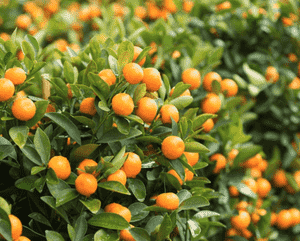
This perennial bush is celebrated for its diminutive, ovoid fruits and lustrous foliage. For kumquat, strategic trimming in the initial part of spring fosters robust development and fruit yield. Essential methods involve reducing crowded branches and eliminating lifeless or ailing wood to improve air movement. Shaping is kept to a minimum to preserve its inherent structure. Trimming additionally stimulates the growth of larger fruits and revitalizes the plant, guaranteeing abundant blossoms. Sanitize implements to avert the dissemination of pathogens.
What Are the Benefits of Pruning Kumquat?
What Are the Benefits of Pruning Kumquat?
Trimming kumquat promotes a more abundant yield and robust development. It assists in maintaining the desired form, fostering healthier plants and enhancing visual appeal.
What Is the Best Time for Pruning Kumquat?
What Is the Best Time for Pruning Kumquat?
Early spring is considered the ideal period for pruning kumquat as it precedes the new growth cycle, allowing the plant ample time to recover from cuts before new shoots and leaves emerge. The plant remains largely dormant then, minimizing pruning stress. Furthermore, removing unwanted branches before rapid growth ensures efficient resource allocation for flowers and fruit. Post-winter pruning also helps eliminate frost damage, preparing kumquat for vigorous growth and a productive season.
What Tools Do I Need to Prune Kumquat?
Hand Pruners
Suitable for most of kumquat's trimming requirements, especially for cutting small branches and twigs up to 3/4 inch in diameter. A clean, sharp bypass pruner is perfect for precise cuts without harming surrounding plant tissue.
Loppers
Ideal for reaching into kumquat's foliage and cutting through branches up to 1 1/2 inches thick. The long handles offer leverage and enable trimming without excessive effort.
Pruning Saw
Essential for removing larger, more mature branches from kumquat. A saw with fine teeth is recommended for smooth cuts that heal quickly, reducing disease risk.
Hedge Shears
Useful for shaping kumquat when cultivated as a hedge. They help create a uniform shape, but should be used carefully to prevent excessive trimming.
Gloves
A fundamental safety measure to shield hands from thorns and any rough or sharp material during the trimming process.
Sanitizer
For sterilizing trimming tools before and after use to prevent the spread of diseases among kumquat plants.
How to Prune Kumquat
Step1: Tool Sanitization
Sterilize your pruning tools before you begin trimming kumquat. This prevents the spread of diseases between plants. Use a solution of 1 part bleach to 9 parts water to disinfect your shears or pruning saw.
Step2: Dead Wood Removal
Start by removing any dead wood from kumquat. Identify branches that show no signs of green growth and appear brittle. Cut these branches back to living tissue or to the base of the branch, without leaving any stubs.
Step3: Diseased Branch Elimination
Look for and remove any diseased branches from kumquat. These will often have discoloration, cankers, or signs of insect damage. Make cuts at least 6 inches into healthy tissue beyond the diseased spots to ensure complete removal of infected material.
Step4: Crossing Branches Pruning
Trim any crossing branches on kumquat. These can create wounds and promote disease. Select the less vigorous or more awkwardly positioned branch to remove, cutting it back to its point of origin or to a lateral branch that is outward-facing.
Step5: Sucker Growth Removal
Identify and remove suckers that grow from the roots or base of kumquat. These are vigorous shoots that can drain energy from the main tree and do not produce high-quality fruit. Cut them as close to the base as possible.
Step6: Water Sprouts Pruning
Locate water sprouts, which are vigorous, vertical shoots often growing from pruning cuts on the upper branches of kumquat. These shoots usually do not bear fruit and can shade lower parts of the tree, which reduces fruit production. Prune them back to their point of origin.
Step7: Canopy Thinning for Health
After removing the problematic parts, assess kumquat for shape and balance. Thin out some of the interior branches to improve light penetration and air circulation. This helps to maintain the health of kumquat and encourages better fruit production.
Step8: Post-Fruiting Pruning Timing
Make sure to prune kumquat immediately after fruiting, as they flower on old wood. Pruning too late in the season could remove flower buds, reducing the next season's fruit yield.
Step9: Debris Cleanup
Finish the pruning session by cleaning up all the cuttings and debris from around kumquat to prevent any potential disease issues. Dispose of diseased material properly, away from the garden area.
Step10: Post-Pruning Tool Disinfection
Disinfect your pruning tools again after you've finished to prevent the spread of any pathogens to other plants in your garden.
Post-Pruning Care for Kumquat
Post-Pruning Care for Kumquat
Immediately after trimming kumquat, water thoroughly to encourage recovery. Optimize light exposure, avoiding intense midday sun, while maintaining moderate humidity and a temperature range of 60-85°F. Initiate a balanced fertilization regimen one month post-pruning to replenish nutrients, especially during the growing season. Monitor kumquat for wilt, discoloration, or pests, indicating stress or infection. If such signs appear, diagnose promptly and apply appropriate treatments such as increased watering or organic pesticides.
Common Pruning Mistakes with Kumquat
Excessive Pruning Reduces Fruit Production
Over-trimming, which can stress kumquat and diminish its capacity to produce fruit.
Avoid Cutting Vital Twiggy Growth for Fruit Development
Trimming into the 'twiggy' growth within the canopy that may be crucial for fruit development.
Damaging Plants with Dull or Dirty Tools
Using dull or unclean tools that can harm kumquat's branches and leave it vulnerable to disease.
Over-Removing Old Wood Affects Flowering and Fruiting
Removing too much mature wood where flowers and fruit typically develop in kumquat.
Improper Cut Placement Can Harm the Plant
Making cuts too close to the trunk or leaving too large a stub, both of which can harm kumquat.
Common Pruning Tips for Kumquat
Sanitize Tools to Prevent Disease in Plants
Sterilize your pruning tools before use to prevent the spread of diseases to kumquat.
Proper 45-Degree Cuts for Healthy Outward Growth
Make clean cuts at a 45-degree angle about 1/4 inch above a bud facing the outside of the plant to encourage outward growth in kumquat.
Remove Dead or Diseased Wood for Plant Health
Focus on removing dead or diseased wood, which will help maintain the health of kumquat.
Thin Canopy for Better Air Flow and Light Penetration
Thin out the canopy to improve air circulation and light penetration, which is essential for the overall health and fruit production of kumquat.
Selectively Prune to Enhance Natural Growth Habit
Retain healthy branches that are growing in the desired direction and prune selectively to shape kumquat and support its natural growth habit.



