How to Prune Kaffir lime?
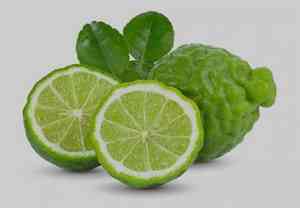
Celebrated for its fragrant foliage and textured green produce, the kaffir lime greatly thrives with judicious trimming. Begin by excising any lifeless or ailing limbs, subsequently reducing crowded sections of the crown to enhance airflow. Sculpt the tree by shortening elongated, barren branches. The most opportune time for this maintenance is in early spring, fostering robust development and fruit yield. Refrain from making extensive cuts to avert undue strain. Consistent trimming sustains the plant's well-being and boosts the harvest of aromatic leaves and fruit.
What Are the Benefits of Pruning Kaffir Lime?
What Are the Benefits of Pruning Kaffir Lime?
Trimming kaffir lime boosts fruit production and keeps its form manageable, fostering a strong framework. Timely cuts encourage vigorous development, improving air circulation, which lowers the chance of pests and diseases.
What Is the Best Time for Pruning Kaffir Lime?
What Is the Best Time for Pruning Kaffir Lime?
Early spring is considered ideal for trimming kaffir lime because this timing allows the plant to recover from cuts before the rapid growth phase of late spring and summer. Pruning during this period minimizes the risk of disease entry, as the cuts have less exposure to wet conditions common in cooler months. Additionally, early spring pruning removes any winter damage before the plant begins its new growth cycle, ensuring energy is directed towards healthy branches, leading to a robust flowering and fruiting period. By pruning in early spring, gardeners also have a clear view of the plant's structure, making it easier to shape the plant and encourage desired growth patterns.
What Tools Do I Need to Prune Kaffir Lime?
Bypass Pruners
Perfect for making clean cuts on the smaller branches of kaffir lime, bypass pruners offer precise control and are less likely to harm the plant's delicate tissues.
Loppers
Suitable for cutting through thicker branches that bypass pruners cannot manage, loppers provide the extra leverage needed for branches up to 1.5 inches in diameter, typical of kaffir lime's growth.
Pruning Saw
Essential for managing larger branches over 1.5 inches thick, a pruning saw helps remove limbs too big for loppers while ensuring a clean cut that promotes healthy regrowth for kaffir lime.
Hand Shears
Hand shears are perfect for shaping the canopy of kaffir lime and snipping away any water sprouts or suckers that might appear at the base or on the trunk.
Gloves
Protective gloves are crucial to shield the gardener's hands from kaffir lime's thorns and potential skin irritation from contact with the plant's oils during the trimming process.
How to Prune Kaffir Lime
Step1: Gather Pruning Tools and Sterilize
Collect your trimming tools, which should include sharp bypass pruners, loppers, and a sterilizing solution (such as a 10% bleach solution or rubbing alcohol). Ensure tools are clean and sharp to avoid injuring kaffir lime.
Step2: Identify Yellow Leaves
Identify the yellow leaves, as these often indicate a nutrient deficiency or stress but can also simply be old foliage. For kaffir lime, it's important to remove these to redirect energy to healthier growth.
Step3: Prune Yellow Leaves at Base
Trim yellow leaves by cutting them off at the base where they connect to the stem or branch. Use bypass pruners for this task and sterilize the blades if moving between plants to prevent disease spread.
Step4: Locate and Assess Dead Wood
Locate dead wood, which typically feels brittle and looks dry. It can be a breeding ground for pests and diseases, so its removal is vital for the health of kaffir lime.
Step5: Cut Dead Wood to Live Tissue
Cut dead wood back to the point of live tissue, identifiable by its greenish color. Use loppers or a pruning saw for thicker branches, making cuts just outside the branch collar to encourage proper healing.
Step6: Remove Suckers from Base or Roots
Remove suckers, which are vigorous vertical shoots growing from the base or roots of kaffir lime. These can divert energy from the main tree and lead to a cluttered structure.
Step7: Trim Suckers Flush with Trunk/Soil
Cut suckers off flush with the trunk or soil line using sharp bypass pruners or loppers. Best performed during early growth stages when suckers are smaller and easier to manage.
Step8: Isolate Diseased Plant Parts
Identify and isolate diseased parts, which might show symptoms like unusual spots, cankers, or growths. Proper identification is important to prevent the spread of the problem.
Step9: Prune Out Diseased Branches
Trim out any diseased branches or foliage, cutting well into healthy tissue to ensure complete removal of the infected material. Sterilize your tools after each cut when dealing with diseased parts.
Step10: Find and Prune Withered Branches
Search for withered branches, which may result from drought, disease, or damage. They are unproductive and can detract from kaffir lime's vigor.
Step11: Cut Back to Living Intersection
Cut back withered branches to the next living intersection or just above a leaf node, which encourages new growth in kaffir lime.
Step12: Dispose of Pruning Trimmings
After completing trimming, cleanly dispose of all trimmings, especially diseased or infected material. Do not compost as it could harbor pathogens that can affect kaffir lime or other plants later.
Step13: Shape Plant for Health and Aesthetics
Once all problematic parts are removed, shape kaffir lime for aesthetics and health. Thin out overcrowded areas to increase air circulation and light penetration, and shape the plant to a pleasing form, avoiding overly severe cuts that can stress the plant.
Step14: Water and Fertilize Post-Pruning
Finally, water kaffir lime appropriately and apply fertilizer if needed to encourage the recovery and growth of new healthy tissues, following the specific feeding requirements for kaffir lime.
Post-Pruning Care for Kaffir Lime
Post-Pruning Care for Kaffir Lime
Immediately after trimming kaffir lime, maintain a clean environment to reduce disease risk. Adjust exposure to bright, indirect light and ensure a stable temperature between 65-75°F with moderate humidity. Apply a balanced, slow-release fertilizer to support recovery, avoiding excess nitrogen. Monitor for drooping leaves or discoloration, indicative of stress or infection. If symptoms appear, isolate kaffir lime and consult a plant pathologist for appropriate treatment.
Common Pruning Mistakes with Kaffir Lime
Avoid Over-Pruning to Prevent Stress and Reduced Productivity
Excessive trimming, which can stress kaffir lime and reduce its productivity. Removing too much foliage at once can limit photosynthesis and impair growth.
Use Sharp, Clean Tools to Prevent Damage and Disease
Using dull or unclean trimming tools, which can damage kaffir lime's branches and leave it susceptible to pests and diseases.
Consider Plant Structure for Optimal Air and Light
Trimming without considering the plant structure, leading to poor air circulation and light penetration within the canopy of kaffir lime, which may impede growth and fruiting.
Common Pruning Tips for Kaffir Lime
Disinfect Pruning Tools for Disease Prevention
Use sharp, clean trimming tools to make precise cuts and minimize harm to kaffir lime. Disinfect tools before use to prevent the spread of diseases.
Prune Dead or Diseased Branches for Plant Health
When trimming, focus on removing dead, diseased, or crossing branches, which promotes better health and appearance in kaffir lime.
Thin to Maintain Natural Shape and Boost Airflow
Maintain the natural shape of kaffir lime by selectively thinning out dense growth, which enhances airflow and light penetration.



