How to Prune Key lime?
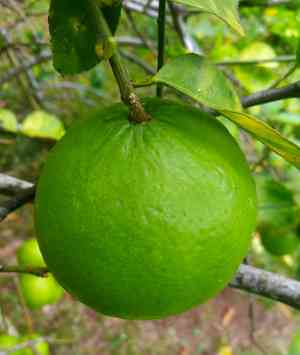
This evergreen, which produces fruit, is well-known for its fragrant foliage and sour, yellowish-green produce. For key lime, trimming ought to concentrate on excising lifeless or ailing wood, reducing dense branches, and molding the crown to guarantee adequate light infiltration and air movement. The most opportune period for pruning is in early spring, right before the commencement of the growing period. Trimming boosts the caliber of the fruit and aids in managing diseases by bettering air circulation among the leaves.
What Are the Benefits of Pruning Key Lime?
What Are the Benefits of Pruning Key Lime?
Trimming key lime encourages more robust development, leading to a greater yield. It aids in maintaining its form and fosters a sturdy framework, crucial for supporting fruit weight and enhancing plant vitality.
What Is the Best Time for Pruning Key Lime?
What Is the Best Time for Pruning Key Lime?
Early spring is considered optimal for pruning key lime:1.It aligns with the conclusion of the dormant phase, when key lime is less vulnerable to stress and the recovery process for trimmed areas is faster.2.Pruning at this time allows for the removal of any frost-damaged limbs and promotes a healthy structure for the upcoming growth cycle.3.It avoids cutting off developing flowers or fruit, which typically appear after the recommended pruning period, ensuring that the fruit-bearing potential is maximized.4.It gives key lime a chance to direct energy into new, productive growth immediately following the pruning, as the plant naturally enters an active growth phase.
What Tools Do I Need to Prune Key Lime?
Bypass Pruners
Perfect for precise cuts, bypass pruners deliver a clean and healthy incision essential for key lime's smaller twigs and branches up to 1/2 inch in diameter.
Loppers
Useful for reaching into the canopy and severing branches between 1/2 inch and 2 inches in diameter, the extended handles provide leverage and prevent overstretching.
Pruning Saw
For mature branches exceeding 2 inches in thickness, a pruning saw enables controlled cuts without harming the key lime.
Gloves
Protective gloves are vital for safety when trimming key lime, as its thorns can cause injury.
Shears
For shaping and managing the density of the key lime, utilize shears to trim soft growth and foliage.
Pole Pruner
When key lime's branches are out of reach, a pole pruner assists in safely trimming without the need for a ladder.
How to Prune Key Lime
Step1: Optimal Pruning Time
Determine the ideal period to prune key lime. The best pruning window for key lime is in the spring after the last risk of frost has passed to prevent exposing fresh cuts to extreme cold. This timing allows for wound healing before the growing season commences.
Step2: Pruning Tool Preparation
Gather the necessary implements for pruning key lime. Employ clean, sharp, and sanitized pruning shears, loppers, or a pruning saw depending on the thickness of the branches you intend to remove.
Step3: Dead Branch Removal
Begin by eliminating any dead branches from key lime. Snip these branches at their point of origin or back to the living wood, taking care not to cut into the trunk or remaining healthy branches.
Step4: Disease Elimination Cuts
Inspect key lime for any diseased limbs. Make cuts well below the affected areas, ideally several inches into healthy tissue, to stop the spread of disease. Avoid tearing the bark and dispose of diseased limbs properly.
Step5: Sucker Shoot Pruning
Locate suckers on key lime, which are shoots that emerge from the plant's base or from the rootstock. Prune these suckers as close to their origin as possible without harming the main trunk or root structure.
Step6: Structural Shaping
After clearing dead, diseased, and sucker growth, evaluate the overall form of key lime. Prune to maintain a balanced structure, removing any branches that cross or rub against others, which could lead to wounds and disease.
Step7: Canopy Thinning for Health
Thin out the canopy of key lime if needed to enhance air circulation and light penetration. This involves selectively trimming interior branches and can help reduce disease pressure and promote better fruit production.
Step8: Proper Angled Cuts
Make all cuts at a 45-degree angle just above a bud or branch junction to encourage water runoff and heal more efficiently. Ensure the cut is smooth and clean to facilitate quicker healing.
Step9: Post-Pruning Cleanup
Clear away all trimming debris from around key lime to prevent any pests or diseases from breeding in the fallen plant material.
Step10: Post-Pruning Care
After pruning key lime, care for the tree by providing adequate water, monitoring for signs of pest or disease, and fertilizing appropriately to support the plantâs recovery and growth.
Step11: Seasonal Growth Monitoring
Regularly check key lime throughout the season for any new growth that may need to be addressed, such as water sprouts or additional suckers, and prune as needed.
Post-Pruning Care for Key Lime
Post-Pruning Care for Key Lime
Immediately after trimming, water key lime deeply to aid recovery. Maintain moderate light exposure, shielding key lime from direct harsh sun, and ensure high humidity and temperatures between 65-85°F. Apply balanced, slow-release fertilizer to support growth. Regularly inspect for disease or pests, clipping away affected areas, and apply a suitable fungicide or insecticide if necessary. Monitor new growth, adjusting care as key lime recuperates.
Common Pruning Mistakes with Key Lime
Avoid over-pruning and excessive foliage removal
Over-pruning, which can stress key lime and negatively impact its health and fruit production. Removing more than one-third of the foliage at once is generally excessive.
Prevent cutting into trunk causing large wounds
Cutting into the trunk or main branches during pruning, creating large wounds that are vulnerable to pests and diseases.
Use sharp, clean tools for correct cuts
Utilizing dull or dirty pruning tools, which can cause jagged cuts that are difficult for key lime to heal and may introduce pathogens.
Prune with purpose to preserve potential blooms
Pruning without a clear objective, leading to the unnecessary removal of branches that could produce flowers and fruit.
Carefully manage base shoots and suckers
Removing shoots and suckers at the base of key lime indiscriminately, which can weaken the plant structure and diminish its vigor over time.
Common Pruning Tips for Key Lime
Ensure clean cuts with sanitized sharp tools
Employ sharp, clean pruning shears or loppers to make precise cuts that key lime can heal quickly from, reducing the risk of infection.
Prune selectively for plant shape and health
Prune selectively to shape key lime, aiming to remove crossing branches, dead or diseased wood, and any branches that obstruct sunlight from reaching the center of the canopy.
Cut at 45-degree angle for heal and disease prevention
Cut branches at a 45-degree angle away from a bud, so that water drains off the cut surface, minimizing rot and disease.
Thinning interior branches to prevent disease
If thinning out key lime's interior, concentrate on strategic removal of select branches to enhance air circulation, which helps prevent fungal diseases.
Disinfect tools to prevent pest and disease spread
Sanitize pruning tools before and after use on key lime with a solution of bleach or alcohol to avoid spreading pests and diseases among plants.
Make thinning cuts for strong branch framework
Make thinning cuts rather than heading cuts to promote a strong, well-spaced framework of branches that supports heavy fruit loads.



