How to Prune Kangaroo vine?
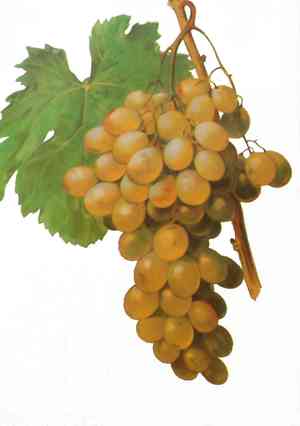
To ensure the vitality of your kangaroo vine, perform pruning in early spring or late winter to stimulate growth and preserve its form. Essential methods involve shortening elongated stems and eliminating any deceased or injured leaves to foster robust development. Occasional thinning can enhance fullness and airflow. This practice not only revitalizes the kangaroo vine but also enables size management within its preferred indoor or shaded outdoor environment. Employ sanitized, sharp implements for accurate cuts to minimize strain on the plant.
Advantages of Trimming Kangaroo Vine
Advantages of Trimming Kangaroo Vine
Trimming kangaroo vine promotes more robust and vigorous development. Regular cutting helps maintain its desired shape and prevents excessive growth, ensuring a neat, well-kept look.
Optimal Time for Pruning Kangaroo Vine
Optimal Time for Pruning Kangaroo Vine
Late winter and early spring are the best periods for pruning kangaroo vine due to its growth cycle and seasonal readiness for new development. Pruning during late winter allows for the removal of any damaged or diseased sections before the start of the growing season. This timing ensures the plant doesn't waste resources on parts that won't contribute to its health. Additionally, a late winter trim can stimulate new growth as temperatures rise. Early spring pruning is beneficial because kangaroo vine is beginning to emerge from dormancy and is preparing to invest energy into new growth. Pruning at this time can help shape the vine and encourage a fuller, more controlled growth pattern throughout spring and summer. These seasons are considered ideal as they align with the plant's natural cycle of rest and awakening, ensuring that pruning doesn't disrupt flowering or fruiting periods and that the plant has ample time to recover before the active growth season.
Tools Required for Pruning Kangaroo Vine
Bypass Pruners
Ideal for clean and precise cuts, bypass pruners are perfect for kangaroo vine's slender and delicate stems, ensuring minimal harm to the plant's vascular system.
Gardening Gloves
Crucial for protecting hands from sharp edges and potential skin irritants while handling kangaroo vine.
Pruning Saw
For older or thicker stems of kangaroo vine, a pruning saw might be necessary for effective and efficient removal.
Long-Handled Loppers
Providing extended reach and leverage, long-handled loppers enable safe pruning of kangaroo vine's higher and less accessible areas without overstressing the plant.
How to Prune Kangaroo Vine
Sanitize Tools
Before starting, ensure all pruning tools are clean and disinfected to prevent the spread of disease to kangaroo vine.
Remove Diseased Leaves
Carefully remove any diseased leaves by cutting the leaf stem close to the main branch, avoiding damage to the node.
Remove Withered Leaves
Cut back any withered or dead leaves to the base of the leaf stem, promoting healthier growth and appearance of kangaroo vine.
Inspect Plant
After removing problematic leaves, inspect kangaroo vine for any signs of pests or additional diseases that may require treatment.
Clean Up
Properly dispose of all removed leaves to prevent any disease from spreading in the garden area where kangaroo vine is located.
Common Pruning Errors with Kangaroo Vine
Excessive Pruning
Removing too much foliage from kangaroo vine in a single session can weaken the plant, leading to poor health and stunted growth.
Incorrect Cut Placement
Cutting too close to the main stem can damage kangaroo vine, while leaving too long a stub can lead to disease and pest infestation.
Using Dull Tools
Pruning kangaroo vine with dull or dirty tools can result in jagged cuts that make the plant susceptible to diseases.
Neglecting Tool Sanitation
Failing to sanitize tools before pruning can spread diseases from infected plants to healthy ones, including kangaroo vine.
Ignoring Plant Shape
Pruning without considering the natural shape of kangaroo vine can result in an unattractive appearance and can harm the plant's structural integrity.
Pruning Too Frequently
Kangaroo vine generally thrives without frequent pruning, and overdoing it can stress the plant.
General Pruning Advice for Kangaroo Vine
Selective Thinning
Remove only the necessary parts of kangaroo vine, such as dead or weak stems, to maintain the plant's shape and encourage healthy growth.
Angled Cuts
Make clean, angled cuts on kangaroo vine to allow water to run off and to promote faster healing.
Clean Cuts
Ensure cuts are made cleanly without tearing the bark, to help kangaroo vine heal quickly and minimize stress.
Sterilizing Tools
Sterilize pruning tools with alcohol or bleach solution before cutting to prevent the spread of disease in kangaroo vine.
Prune For Ventilation
Thin out dense areas to improve air circulation within kangaroo vine, which can help prevent fungal problems.
Evaluate Plant Health
Examine kangaroo vine before pruning to assess which areas require attention, focusing on removing only what's necessary for the plant's health and appearance.



