How to Prune Cultivated endive?
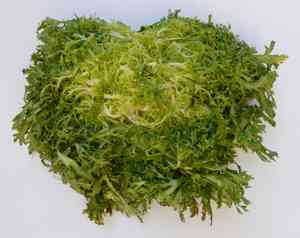
Cultivated endive, a verdant vegetable characterized by a subtly bitter flavor, thrives with consistent trimming to foster a denser form. Remove the peripheral foliage at the plant's base, prioritizing mature, larger leaves to facilitate the development of fresh ones. The ideal periods for this maintenance are from spring through summer, aligning with the plant's vigorous growth stages for maximum benefit. Strategic trimming enhances air movement and light exposure, both vital for the plant's well-being and productivity. Refrain from excessive cutting to avert stress and guarantee a continuous yield.
What Are the Benefits of Pruning Cultivated Endive?
What Are the Benefits of Pruning Cultivated Endive?
Trimming cultivated endive promotes more robust development, leading to a denser and healthier specimen. It also assists in maintaining the desired dimensions and form for visual appeal and garden consistency.
What Is the Best Time for Pruning Cultivated Endive?
What Is the Best Time for Pruning Cultivated Endive?
The optimal periods for trimming cultivated endive are Spring and Summer, as these seasons typically mark its active growth phase. Pruning in Spring allows for the removal of any dead or damaged foliage accumulated over winter, preparing the plant for vigorous growth. Since cultivated endive is a cool-season crop prone to bolting in heat, early Summer pruning can stimulate new growth and delay bolting, thereby extending the harvest. During these times, cultivated endive can quickly recover from cuts and direct energy towards producing fresh, productive leaves. Furthermore, regular trimming during this timeframe helps maintain the plant's desired shape and size, and by removing excess growth, air circulation improves, reducing the risk of fungal diseases. It's crucial to avoid pruning in Fall and Winter as cultivated endive prepares for dormancy and may not recover well from pruning stress, potentially impacting its vigor and productivity in the subsequent season.
What Tools Do I Need to Prune Cultivated Endive?
Sharp Bypass Pruners
For precise trimming and shaping of cultivated endive, sharp bypass pruners are recommended. These tools ensure clean cuts without harming the delicate leaves.
Garden Scissors
Garden scissors are useful for snipping small stems and for harvesting cultivated endive. Their precision makes them ideal for this task.
Pruning Shears
For any thicker or woodier stems that cultivated endive might occasionally develop, a sturdy pair of pruning shears can be used to ensure a neat cut without exerting excessive pressure on the plant.
How to Prune Cultivated Endive
Clean tools
Before trimming cultivated endive, sterilize pruning tools to prevent disease transmission. Clean blades with alcohol or a bleach solution and allow them to dry.
Diseased leaves
Inspect cultivated endive for any diseased foliage. Use your sanitized shears to carefully remove these leaves at their base, taking care not to harm healthy tissue.
Withered leaves
Identify withered or yellowing leaves on cultivated endive that no longer benefit the plant's growth. Cut these leaves at the base with your clean shears for healthy plant maintenance.
Diseased stems
Locate any stems on cultivated endive that show signs of disease. Trim the affected stems back to healthy tissue, making a clean cut at a 45-degree angle to encourage proper healing and prevent water accumulation.
Disposal
Remove all trimmed material from around cultivated endive and dispose of it properly. Do not compost diseased plant matter as it could infect the compost pile.
Common Pruning Mistakes with Cultivated Endive
Over-pruning
Removing too much foliage from cultivated endive can be detrimental because it reduces the plant's ability to photosynthesize and recover from the stress of pruning.
Wrong timing
Although the best season for pruning is excluded from this content, it's important to avoid pruning when cultivated endive is under stress from factors such as drought, extreme temperatures, or disease.
Not Sterilizing Tools
Using unsterilized tools can introduce pathogens to cultivated endive, leading to infection and disease.
Pruning Healthy Leaves
Removing healthy leaves instead of just the damaged or old ones can hinder cultivated endive's growth, as it removes vital energy sources for the plant.
Neglecting Plant Shape
Pruning without paying attention to the natural growth pattern and shape of cultivated endive can result in an unbalanced plant that may not grow properly.
Common Pruning Tips for Cultivated Endive
Sanitize Tools
Always use sanitized pruning tools on cultivated endive to prevent the spread of disease.
Correct Technique
Make clean cuts on cultivated endive at a 45-degree angle, about 1/4 inch above a leaf node or branching point to promote healthy new growth.
Prioritize Damaged Leaves
Focus on removing dead, damaged, or yellowing leaves from cultivated endive to improve plant health and aesthetics.
Light Pruning
Performing light, regular pruning on cultivated endive is better than waiting for a heavy prune. This approach encourages a fuller, denser plant without compromising its vitality.
Monitor Plant Health
Keep an eye on cultivated endive's response to pruning and adjust practices accordingly. Healthy growth following pruning is a sign of proper technique.



