How to Prune Vetivergrass?
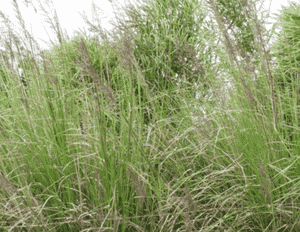
Vetivergrass, a perennial grass recognized for its thick clumps and extensive root network, flourishes with infrequent trimming. Crucial pruning should take place in early spring or during winter, concentrating on eliminating withered or compromised foliage to preserve the plant's well-being and stimulate robust development. Reducing the upper third of its height aids in managing its dimensions and form, while ensuring the roots remain untouched. Advantages of pruning encompass enhanced air movement, peak growth, and the deterrence of potential pest problems.
Advantages of Trimming Vetivergrass
Advantages of Trimming Vetivergrass
Trimming vetivergrass enhances its vitality, promoting strong development. Regular cutting keeps vetivergrass neatly formed, maintaining an attractive and manageable size.
Optimal Period for Pruning Vetivergrass
Optimal Period for Pruning Vetivergrass
The best time to prune vetivergrass is in early spring or winter. These periods coincide with the plant's dormant phase, minimizing stress and allowing for vigorous regrowth. In early spring, just before the growth cycle begins, trimming helps eliminate any dead or damaged sections, thus directing vetivergrass's energy towards producing new growth. Winter pruning is also suitable because the plant's growth has slowed or stopped, and energy is stored in the roots, ensuring vetivergrass can recover quickly when active growth resumes. These seasons also prevent pruning from coinciding with flowering or seed production, thereby assisting the plant in maintaining its natural reproductive and growth cycle.
Essential Tools for Pruning Vetivergrass
Hand Pruners (secateurs)
Vetivergrass's foliage can be tough and fibrous, so sharp bypass hand pruners are crucial for cleanly cutting through the plant's leaves and slender stalks without creating jagged edges that could lead to disease.
Long-Handled Loppers
To handle the tougher, woody sections near the base of vetivergrass, long-handled loppers offer leverage for cleaner, easier cuts. Their extended reach also helps access difficult areas without straining the gardener's back.
Pruning Saw
For the oldest and thickest parts of vetivergrass, a compact pruning saw is necessary to cut through stems too thick for loppers. This ensures a clean cut without damaging other tools' blades.
Grass Shears
To shape and trim the edges of vetivergrass clumps, especially when grown as a dense hedge, grass shears provide precise control over the shaping.
Garden Shears (Hedge Clippers)
When large areas of vetivergrass need pruning, garden shears or hedge clippers can efficiently cut through a swath of foliage, making the task quicker and more uniform.
How to Prune Vetivergrass
Preparation
Gather sanitized pruning tools like sharp shears or a pruning knife to ensure clean cuts and reduce the risk of disease transmission.
Inspection
Carefully examine vetivergrass to identify diseased and withered leaves. Look for signs of discoloration, spots, and any leaves that appear dried out or brown.
Remove diseased leaves
Prune diseased leaves by making a clean cut at the base of the leaf stem, being careful not to harm new growth or the central part of vetivergrass.
Eliminate withered leaves
Remove withered leaves by cutting at the point where they meet healthy tissue. Be cautious to avoid unnecessary injury to vetivergrass's healthy parts.
Disposal
Properly dispose of the removed material from vetivergrass by placing it in a compost bin if it's disease-free, or by destroying it if diseased, to prevent the spread of pathogens.
Common Pruning Errors with Vetivergrass
Excessive Pruning
Removing too much foliage from vetivergrass can stress the plant, leading to poor growth or reduced vigor. Novice gardeners often mistakenly believe more pruning equals better growth, which is not true for vetivergrass.
Ignoring plant form
Not considering the natural shape and growth habit of vetivergrass during pruning can result in an unnatural appearance and potentially damage the plant's structural integrity.
Using dull implements
Pruning vetivergrass with dull blades can cause tearing and injury to the plant. Clean, sharp pruning tools are essential to ensure clean cuts that heal quickly.
Pruning without a clear objective
Cutting vetivergrass indiscriminately without a specific goalâwhether it's improving air circulation, removing dead material, or shapingâcan be detrimental to plant health.
General Pruning Advice for Vetivergrass
Sanitize tools
Before pruning vetivergrass, sterilize pruning tools to prevent the spread of disease. This is a best practice that benefits the plant's health and is often overlooked by both novice and experienced gardeners.
Thin selectively
When thinning out vetivergrass, selectively remove older, nonproductive stems to improve air circulation and light penetration, encouraging healthy growth without over-pruning.
Cut at the base
For vetivergrass, cuts should be made close to the base of the plant to encourage new shoots and maintain the plant's natural form. This is a crucial technique for maintaining a dense, healthy plant.
Remove spent blooms
Although it does not apply to vetivergrass as it is a mostly non-flowering grass, the general practice of deadheading in other plants improves appearance and directs energy into growth and health.



