How to Prune Mexican-hat-plant?
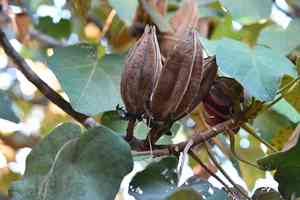
Recognized for its unique claw-like blossoms, mexican-hat-plant thrives with winter trimming. Begin by eliminating any lifeless or ailing branches. Subsequently, reduce dense sections to improve light access and air movement. Restrict pruning to sculpt the plant and stimulate robust new development. Trimming not only preserves the plant's well-being and aesthetic but can also foster a more abundant blooming period. Cultivators ought to employ sanitized, keen implements for accurate incisions to prevent plant distress.
What Are the Benefits of Pruning Mexican-hat-plant?
What Are the Benefits of Pruning Mexican-hat-plant?
Pruning Mexican-hat-plant helps maintain a more compact and visually appealing shape, which promotes robust growth and vigor, ultimately resulting in a healthier specimen.
What Is the Best Time for Pruning Mexican-hat-plant?
What Is the Best Time for Pruning Mexican-hat-plant?
Trimming mexican-hat-plant from late winter to early spring is ideal because it coincides with the plant's dormant phase. This period is after the most severe winter weather but before new spring growth emerges. Pruning at this time minimizes stress on mexican-hat-plant and prevents the removal of developing buds that will produce flowers and seeds in the upcoming growing season. It reduces the risk of frost damage to fresh cuts and allows mexican-hat-plant to recover and heal as the growing season commences. Furthermore, without leaves, the structure of mexican-hat-plant is more visible, making it easier to make strategic cuts that encourage healthy growth patterns and preserve the plant's natural form.
What Tools Do I Need to Prune Mexican-hat-plant?
Hand Pruners
Perfect for making clean cuts on branches up to 1 inch in diameter, suitable for the smaller stems of mexican-hat-plant
Lopping Shears
Designed for branches between 1 and 2 inches thick, useful as mexican-hat-plant matures and develops more substantial growth
Pruning Saw
An essential tool for cutting through branches exceeding 2 inches in thickness, which may be found on older or more established mexican-hat-plant specimens
Pole Pruner
Enables safe pruning of higher branches on mexican-hat-plant without needing ladders, preserving the plant's natural tree shape
Gardening Gloves
Hand protection when pruning mexican-hat-plant, preventing scratches and improving tool grip
Sharpener
Keeping tools sharp ensures precise cuts, which is vital for the health of mexican-hat-plant during pruning
How to Prune Mexican-hat-plant
Clean Tools
Before beginning the pruning process for mexican-hat-plant, sterilize your pruning shears or saws to prevent disease transmission. Clean all tools with a 1:9 bleach-to-water solution or use rubbing alcohol.
Identify Parts
Carefully examine mexican-hat-plant to pinpoint dead or diseased branches. Look for branches lacking leaves, having discolored bark, or showing signs of fungal infection.
Cut Dead Branches
Using your sterilized tools, carefully remove dead branches at their base where they connect to the main trunk or a healthy branch. Make clean, slightly angled cuts to promote healing and prevent water accumulation on the cut surface.
Remove Diseased Branches
Trim diseased branches of mexican-hat-plant by cutting at least several inches into healthy tissue beyond the visible disease symptoms to ensure all infected parts are eliminated.
Dispose Trimmed Material
Properly discard all trimmed material away from healthy plants to prevent any disease spread. Do not compost diseased branches to avoid contaminating your compost pile.
Common Pruning Mistakes with Mexican-hat-plant
Overpruning
Removing too much foliage from mexican-hat-plant can stress the plant, hinder growth, and reduce flowering potential. Generally, no more than one-third of the plant should be pruned at a time.
Improper Cut Location
Cutting too close or too far from the nodes on mexican-hat-plant's branches can lead to poor healing and expose the plant to disease and pest infestations.
Using Dull Tools
Dull pruning tools can cause ragged cuts that damage mexican-hat-plant's tissue, making it more susceptible to diseases, whereas clean, sharp tools make healthier cuts.
Pruning During Active Growth
Pruning mexican-hat-plant during periods of active growth can impede the plant's development and flowering. It's crucial not to prune during these phases unless removing dead or diseased wood.
Neglecting Sanitation
Failing to sanitize tools before and after pruning mexican-hat-plant can spread diseases from infected plants to healthy ones.
Common Pruning Tips for Mexican-hat-plant
Health Check First
Before pruning, inspect mexican-hat-plant for indications of pests, disease, or other stressors. Remove any affected areas to prevent further damage.
Correct Cut Angle
Make cuts at a 45-degree angle approximately 1/4 inch above the buds on mexican-hat-plant's branches. This angle promotes water runoff and proper healing.
Consider Branch Size
When removing larger branches from mexican-hat-plant, begin with an undercut on the branch to prevent bark tearing as the branch falls.
Thinning Vs Topping
Focus on thinning out mexican-hat-plant, which encourages healthy growth and air circulation, rather than topping, which involves indiscriminately cutting branch tops and can harm the plant.
Step Back And Assess
Regularly step back during pruning to evaluate the overall shape and health of mexican-hat-plant; this helps ensure the plant remains well-balanced and attractive.



