How to Prune White fringetree?
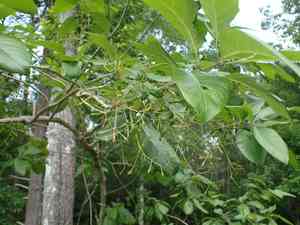
Recognized for its delicate, aromatic blossoms and bluish olive-shaped drupes, the white fringetree flourishes with deliberate pruning. Perform trimming in late winter to early spring prior to the emergence of new shoots. Concentrate on excising deceased or compromised limbs, sculpting the crown to facilitate light access and air circulation, and managing its dimensions. Refrain from over-pruning, as this could diminish the floral display on mature wood. Strategic pruning boosts the plant's vigor and aesthetic appeal, fostering prolific blooming and lush foliage.
Advantages of Trimming White Fringetree
Advantages of Trimming White Fringetree
Trimming white fringetree promotes robust new development, maintains a desired form, and encourages a sturdy framework, resulting in an attractive and thriving plant.
Optimal Period for Trimming White Fringetree
Optimal Period for Trimming White Fringetree
Trimming during late winter and early spring is considered ideal as this timing precedes white fringetree's new growth cycle. These seasons enable gardeners to shape the plant and eliminate any dead or damaged wood without hindering the emergence of new shoots and flower buds. Pruning after the blooming phase can diminish the plant's flowering potential for the subsequent season. Furthermore, late winter pruning minimizes the risk of disease transmission, as many pathogens are dormant in colder weather. Trimming in early spring facilitates quick healing of pruning wounds before the growth surge, thereby supporting the overall health and vitality of white fringetree.
Tools Required for Trimming White Fringetree
Bypass Pruners
Perfect for making clean cuts on white fringetree's smaller stems and branches, ensuring minimal harm to the plant tissue.
Loppers
Excellent for reaching into white fringetree's denser areas and cutting thicker branches, typically up to 1.5 inches in diameter.
Pruning Saw
Essential for removing white fringetree's large branches over 1.5 inches thick, providing the necessary power and precision.
Hedge Shears
Useful for shaping and trimming white fringetree's foliage and creating a tidy appearance if the plant is cultivated as a hedge.
Pole Pruner
Helpful for accessing higher branches of white fringetree without needing a ladder, ensuring safety and efficiency in the trimming process.
How to Trim White Fringetree
Step1: Ideal Pruning Schedule
Determine the best time to trim white fringetree, which is late winter or early spring before new growth commences. This timing helps prevent sap bleeding and allows for healing before the growing season.
Step2: Tool Sanitization
Clean and sanitize your trimming tools with isopropyl alcohol or a 10% bleach solution to prevent disease spread during pruning.
Step3: Dead Wood Identification
Identify dead wood by looking for branches that lack buds, have a brittle texture, and are discolored. These branches will not produce new growth and can be removed to enhance plant health and appearance.
Step4: Dead Branch Removal
Make precise cuts to remove dead wood. Cut each dead branch back to a healthy side branch or the main trunk. Use a pruning saw for thicker branches and pruners for smaller ones. Make the cut at a slight angle, about 1/4 inch above a bud or branch that is facing the direction you want new growth to follow.
Step5: Weak Shoot Trimming
Identify weak shoots, which are thin, spindly branches often resulting from insufficient sunlight or overcrowding. Trim these back to a main branch or bud to encourage stronger, more vigorous growth.
Step6: Damaged Branches Elimination
Remove damaged branches by making clean cuts. If the branch is partially attached, it can be a hazard and should be removed promptly. Prune back to healthy tissue, ensuring not to leave stubs which can be entry points for pests and diseases.
Step7: Structural Form Assessment
Evaluate the overall shape of white fringetree. After removing dead wood, weak shoots, and damaged branches, check if the tree or shrub requires further shaping for aesthetic purposes or to maintain a healthy structure.
Step8: Canopy Thinning for Health
If shaping is necessary, selectively thin out branches to open up the canopy. This increases light penetration and air circulation, which can improve the overall health of white fringetree. Avoid heavy pruning as white fringetree typically respond better to minimal cuts.
Step9: Clean Cut Assurance
Complete the prune by making sure all cuts are smooth and clean without any jagged edges, as this could hinder the heal process.
Step10: Pruning Debris Disposal
Properly discard the removed plant material. Do not compost diseased or heavily infested branches to avoid spreading problems in your garden.
Step11: Post-Prune Watering
After pruning, water white fringetree adequately if soil conditions are dry to support recovery and new growth. This is especially important if significant material was removed.
Step12: Post-Prune Monitoring
Monitor white fringetree for signs of stress or pest infestation following pruning, as the plant may be temporarily more susceptible. Provide appropriate care to mitigate any issues.
Aftercare for White Fringetree Post-Trimming
Aftercare for White Fringetree Post-Trimming
Following trimming white fringetree, water deeply immediately to lessen stress. Ensure the trimmed area is clean to prevent infection. For optimal recovery, place white fringetree in partial sun with sufficient ventilation to maintain moderate humidity. Monitor temperature, avoiding extreme heat or cold. Fertilize with a balanced, slow-release formula to stimulate growth. Regularly inspect for wilting, discoloration, or wounds, indicating stress or disease. If symptoms appear, promptly isolate the affected area and apply fungicide or insecticide as needed. Maintain consistent care for vigorous regrowth.
Common Trimming Errors with White Fringetree
Avoid Excessive Trimming to Preserve Foliage and Flowering
Over-trimming is a frequent mistake with white fringetree, leading to sparse foliage and reduced blooming. Gardeners should avoid removing more than one-third of the plant's branches in a single trimming session.
Use Sharp, Clean Tools to Prevent Branch Damage
Using dull or dirty tools can harm white fringetree's branches, creating jagged cuts that make the tree vulnerable to disease. It is essential to use sharp, clean pruning shears or saws.
Promptly Remove Diseased or Dead Wood
Ignoring diseased or dead wood can leave white fringetree susceptible to further health issues. Gardeners sometimes overlook the need to regularly inspect and promptly remove such problematic growth.
Avoid Cutting Too Close to Trunk or Buds
Cutting too close to the main trunk or to a bud can damage white fringetree, as it may hinder the healing process and the development of new growth respectively.
Shape Gradually, Not All at Once
Neglecting to shape white fringetree progressively over several seasons leads to a loss of the plant's natural form. Some gardeners mistakenly aim for immediate results instead of gradual shaping.
General Trimming Advice for White Fringetree
Selective Thinning to Enhance Growth and Bloom
Perform selective thinning of white fringetree to maintain its airy, natural form. Remove specific branches entirely to allow light and air to penetrate the canopy, which promotes strong growth and blooming.
Cut to Lateral Branches for Structured Growth
Cut back to a lateral branch or bud that is facing the direction you want new growth to follow. This helps white fringetree develop a pleasing and structurally sound shape.
Immediate Removal of Problematic Wood for Plant Health
Trim dead, damaged, or diseased wood as soon as it is noticed, regardless of the season, to maintain white fringetree's health. Clean cuts should be made just above the branch collar without leaving stubs.
Rejuvenate With Renewal Pruning Method
Rejuvenate an older or overgrown white fringetree by using a renewal pruning method, removing a few of the oldest stems at ground level every few years to encourage vigorous new growth.
Prune Mindfully, Considering Bird Habitat
Consider the bird habitat provided by white fringetree before trimming. Avoid excessive thinning that may decrease the cover and nesting opportunities for local wildlife.



