How to Prune Spotted wintergreen?
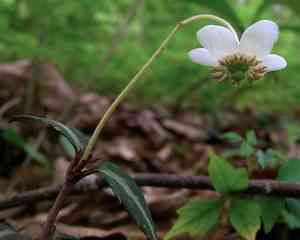
A persistent evergreen groundcover, spotted wintergreen exhibits foliage adorned with unique white bands. Trimming efforts should concentrate on excising impaired or ailing leaves and might involve minor contouring to preserve its spread. Optimal trimming takes place from springtime through autumn, aligning with the plant's vigorous development. Exercise restraint when pruning, as spotted wintergreen is intolerant of severe reduction. Pruning improves airflow, discourages ailments, and encourages robust new development, thereby safeguarding the aesthetic charm of spotted wintergreen.
Advantages of Trimming Spotted Wintergreen
Advantages of Trimming Spotted Wintergreen
Trimming spotted wintergreen promotes robust development and helps maintain its desired form, ensuring the plant stays healthy and visually pleasing in garden settings.
Optimal Period for Trimming Spotted Wintergreen
Optimal Period for Trimming Spotted Wintergreen
Trimming spotted wintergreen in late winter or early spring, just before the growth season begins, allows gardeners to shape the plant and remove any damaged or diseased wood without disrupting its growth cycle. This timing aligns with the plant's dormant state, minimizing stress and sap loss. Additionally, since spotted wintergreen blooms on new growth, pruning at this time can encourage vigorous growth and abundant flowering. Pruning during the active growing season (summer) or after the plant has entered dormancy in the fall is less ideal as it may interfere with the plant's natural life cycle and impact its health and appearance.
Tools Required for Trimming Spotted Wintergreen
Hand Pruners
Ideal for making precise cuts on spotted wintergreen's small stems, causing minimal harm to the plant.
Pruning Shears
Perfect for shaping the plant and removing unwanted branches, offering accurate control for spotted wintergreen's delicate structure.
Gardening Gloves
Crucial for safeguarding the gardener's hands from scratches and providing a better grip on pruning tools when trimming spotted wintergreen.
Disinfectant
Used to sanitize tools before and after trimming spotted wintergreen to prevent the spread of diseases.
How to Trim Spotted Wintergreen
Clean Tools
Sanitize pruning tools with a solution of 1 part bleach to 9 parts water to prevent disease transmission before beginning the trimming process for spotted wintergreen.
Identify
Locate dead wood on spotted wintergreen by looking for stems or foliage parts that are brown, brittle, and lack any green growth or signs of life.
Cut Dead Wood
Snip off the dead wood at the point where it meets healthy, living tissue, using sharp pruning shears. Make the cut at a slight angle to prevent water accumulation and promote healing.
Smooth Cuts
Ensure each cut is smooth and clean to facilitate faster healing of spotted wintergreen, preventing entry points for pests and diseases.
Dispose
Gather and discard all trimmed dead wood away from spotted wintergreen to prevent any potential disease from spreading to healthy parts of the plant.
Common Trimming Errors with Spotted Wintergreen
Over-trimming
Removing too much foliage from spotted wintergreen can stress the plant, leading to weak growth and reduced vitality. It's important not to cut back more than one-third of the plant at any given time.
Incorrect Cut Placement
Cutting either too close to the main stem or too far from the node on spotted wintergreen can hinder proper healing and encourage disease. Cuts should be made at a 45-degree angle just above an outward-facing leaf or node.
Using Dull Tools
Employing dull pruning shears can result in jagged cuts that are more susceptible to disease. Sharp, clean cuts heal faster and reduce the risk of infection for spotted wintergreen.
Neglecting Tool Hygiene
Failing to sterilize tools before use can spread disease between plants. Always clean and disinfect pruning tools before and after tending to spotted wintergreen.
Trimming Without Purpose
Every cut should serve a specific goal, whether it's to remove dead or diseased wood, shape the plant, or encourage flowering. Random cuts can harm spotted wintergreen's natural shape and health.
General Trimming Advice for Spotted Wintergreen
Selective Trimming
Target only the damaged or diseased stems for removal. Thinning out spotted wintergreen by removing specific portions can enhance air circulation and sunlight penetration, which benefits the plant's overall health.
Individual Care Timing
While the trimming season is set, also consider each plant's growth stage. Some specimens might be mature and require maintenance cutting, whereas younger spotted wintergreen might only need minimal trimming for shaping.
Support Natural Growth
Trim spotted wintergreen in a way that supports its inherent growth habit, being careful not to impose an unnatural shape or size that could compromise the plant's health.
Post-Trim Care
After trimming spotted wintergreen, ensure adequate water and nutrients are provided to help the plant recover and reduce stress. A light application of fertilizer can also support regrowth.



