How to Prune Desert willow?
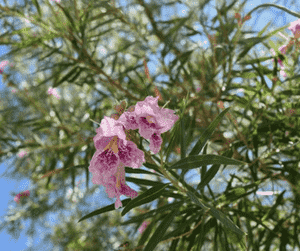
A shedding shrub recognized for its orchid-like blossoms and willow-like foliage, desert willow thrives with trimming to sculpt, foster vigor, and boost flower production. Essential pruning entails excising dead or ailing wood, reducing dense branches, and forming for framework. Perform pruning in late winter or early spring prior to new development. Trimming encourages new shoots and enhances air movement, potentially lowering disease susceptibility. This method can also control dimensions, rendering it perfect for more compact gardens.
What Are the Benefits of Pruning Desert Willow?
What Are the Benefits of Pruning Desert Willow?
Trimming desert willow promotes more vigorous development, fostering a stronger, healthier framework. It also aids in preserving the desired form, enhancing desert willow's decorative appeal.
What Is the Best Time for Pruning Desert Willow?
What Is the Best Time for Pruning Desert Willow?
These periods are considered ideal for trimming desert willow as they precede the plant's active growth phase, which typically starts in spring. Pruning during late winter or early spring enables the plant to channel its energy into new growth, potentially boosting flowering. Furthermore, since desert willow is dormant in winter, pruning at this time minimizes plant stress and lowers the risk of disease or pest infestation exploiting fresh cuts. It also helps gardeners more easily discern the plant's structure, thus facilitating the removal of any damaged or diseased wood before new growth emerges.
What Tools Do I Need to Prune Desert Willow?
Bypass Pruners
Perfect for making clean cuts on desert willow's smaller branches and twigs without crushing plant tissue, encouraging better healing.
Loppers
Suitable for cutting through thicker desert willow branches that exceed hand pruner capacity, typically up to two inches in diameter.
Pruning Saw
Essential for managing mature, larger desert willow branches too thick for loppers, ensuring precise cuts without harming surrounding tree areas.
Pole Pruner
Helps reach and safely trim higher desert willow branches without a ladder, especially useful for taller specimens.
Gloves
Crucial for safeguarding the gardenerâs hands from thorns and rough bark while trimming desert willow.
Safety Goggles
Offers eye protection from flying debris and dust when cutting desert willow branches.
How to Prune Desert Willow
Step1: Assess Plant for Pruning
Examine desert willow before trimming to identify old, dead, and damaged branches. This evaluation will prevent over-pruning and ensure only necessary material is removed for the plant's health and appearance.
Step2: Sterilize Pruning Tools
Sanitize your pruning tools before beginning. This step is vital to prevent disease transmission between plants. Use a solution of one part bleach to nine parts water or a commercial disinfectant.
Step3: Remove Deadwood
Start by eliminating deadwood from desert willow. Deadwood is identifiable by its dry, brittle texture and lack of leaves. Make cuts at a 45-degree angle, approximately 1/4 inch above living tissue or a lateral branch facing outwards.
Step4: Prune Damaged Branches
Next, trim damaged branches, cutting back to healthy wood. Remove the entire branch if needed, cutting to the base of desert willow or the main trunk. Avoid leaving stubs as they can serve as entry points for pests and diseases.
Step5: Cut Back Old Wood
Address old wood, which may no longer be producing foliage or flowers effectively. Look for branches lacking vigor and new growth. Cut these branches back to a healthy side shoot or remove them entirely at their origin point.
Step6: Shape the Plant
After removing dead, damaged, and old wood, step back to observe desert willow's overall form. Lightly trim any additional branches to maintain a natural appearance, being careful not to remove more than 1/3 of the plantâs total growth.
Step7: Clean Pruning Debris
Clear all trimmed material from around desert willow's base to prevent potential fungal growth or pest infestation. Dispose of the material according to local guidelines.
Step8: Water the Plant Post-Pruning
Water desert willow after trimming to aid its recovery from the stress of being cut. Ensure proper irrigation practices are followed to encourage healthy regrowth.
Step9: Monitor for New Growth
Observe desert willow over the subsequent weeks for signs of new growth. Pruning should stimulate healthy new branches and foliage, enhancing the plant's overall health and appearance.
Post-Pruning Care for Desert Willow
Post-Pruning Care for Desert Willow
Immediately after trimming desert willow, water thoroughly to help minimize transplant shock. Ensure desert willow receives filtered sunlight and is shielded from extreme temperatures. Maintain moderate humidity levels to support recuperation. Apply a balanced, slow-release fertilizer to encourage new growth. Regularly inspect the trimmed areas for signs of disease or pests. If signs of stress, such as wilting leaves or discoloration, are noted, adjust care accordingly, assessing water and nutrient requirements for optimal plant health.
Common Pruning Mistakes with Desert Willow
Excessive Pruning & Stress on Plant
Over-trimming, which can stress desert willow, leading to poor development and reduced flowering.
Pruning into Old, Non-Regenerative Wood
Cutting into old wood where no green is visible, as desert willow may not regrow from this wood, resulting in bare spots.
Incorrect Pruning Cut Placement
Making cuts too close or too far from the node, which can either harm the node or leave a stub that might attract pests and disease.
Unsanitized Shears Leading to Disease
Failing to sanitize pruning shears between cuts, increasing the risk of disease spreading to healthy parts of desert willow.
Failure to Remove Dead Wood
Neglecting to remove dead or damaged wood, which can impede desert willow's overall health and growth, and reduce airflow and light penetration within the canopy.
Lack of Pruning Plan & Poor Shaping
Trimming without a clear strategy, resulting in an unbalanced or unnatural shape for desert willow.
Common Pruning Tips for Desert Willow
Clean, Sharp Cuts for Reduced Tissue Damage
Utilize clean, sharp pruning shears to make precise cuts, minimizing damage to desert willow's tissues.
Maintain Natural Shape & Control Size
Trim to shape desert willow, focusing on preserving its natural form while managing its size as desired.
First Remove Dead or Damaged Branches
Initially remove dead, damaged, or diseased branches to promote desert willow's health and open up the canopy for improved light and air circulation.
Prune above Node at Water-Shedding Angle
Make trimming cuts just above a node where a leaf bud is present, aiming for an angle that allows water to drain off the cut surface.
Thin Dense Areas for Light & Air Flow
Thin out crowded areas by removing some of the denser inner branches to enhance air and light penetration, stimulating desert willow's vitality.
Encourage Bushy Growth with Strategic Cuts
Promote bushier growth by cutting back long, unbranched limbs, encouraging desert willow to produce more lateral branches and flowers.
Assess Structure & Prioritize Problem Branches
Evaluate the overall structure and health of desert willow before beginning to trim, prioritizing the removal of problematic branches while aiming to retain beneficial growth.



