How to Prune Tree spinach?
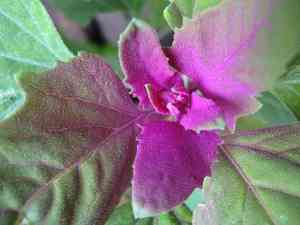
A rapidly developing foliage plant, tree spinach is distinguished by its vibrant magenta leaves and overall size. Essential pruning methods involve consistently snipping the uppermost leaves to foster denser development and excising any hardened or aged stalks to preserve the plant's well-being. The most favorable periods for pruning extend from spring to autumn, coinciding with its vigorous growth periods. Particular attention for tree spinach entails improving air movement to deter ailments. Advantages of pruning encompass increased leaf yield and bigger, more succulent leaves ready for gathering.
What Are the Benefits of Pruning Tree Spinach?
What Are the Benefits of Pruning Tree Spinach?
Trimming tree spinach encourages robust development and helps maintain its desired form. Routine cutting back can foster a denser structure, improve air movement, and reduce pest infestations.
What Is the Best Time for Pruning Tree Spinach?
What Is the Best Time for Pruning Tree Spinach?
Pruning tree spinach in Spring allows the removal of any frost damage from winter before the plant enters its rapid growth phase. Early Summer pruning helps in shaping the plant and preventing it from becoming too leggy as it grows. It also encourages bushier growth and can stimulate more leaf production, which is beneficial as the leaves are often harvested. Fall pruning is optimal for removing spent stems and any foliage that may harbor pests or diseases, preparing tree spinach for dormancy and ensuring healthier regrowth in the following season. It's crucial to avoid pruning late in the Fall, as new growth might be vulnerable to frost. These seasons align with tree spinach's active growth and dormancy cycles, ensuring trimming doesn't interfere with its natural development or reproductive processes.
What Tools Do I Need to Prune Tree Spinach?
Hand Pruners
Given their capacity to manage tender stems and smaller branches, bypass hand pruners are perfect for making precise cuts on tree spinach.
Pruning Saws
For severing thicker stems or branches that hand pruners cannot manage, a pruning saw is essential for effectively controlling the size of tree spinach.
Loppers
When branches are out of reach or too thick for hand pruners, loppers offer the necessary leverage for cutting without harming tree spinach.
Garden Shears
Ideal for shaping and maintaining the dense foliage of tree spinach, garden shears enable quick trimming to promote a bushier habit.
Gloves
To safeguard hands when handling tree spinach, wearing gloves is recommended to prevent skin irritation from the plant's sap.
How to Prune Tree Spinach
Sanitize
Before commencing, ensure that pruning implements are cleaned and disinfected to prevent the spread of ailments to tree spinach.
Inspect
Examine tree spinach for shriveled leaves and any indications of disease or pests that could influence which sections require trimming.
Remove Withered Leaves
Carefully snip off the withered leaves from tree spinach, making cuts close to the main stem or branch to avoid leaving stubs that can attract pests.
Dispose
Gather and discard the withered leaves away from tree spinach to prevent any potential spread of disease or pests.
Cleanup
After pruning, clean the tools again and monitor tree spinach to ensure it recovers well and continues to grow healthily.
Common Pruning Mistakes with Tree Spinach
Over-Pruning
Beginners often err by removing too much foliage, which can stress tree spinach and diminish its vitality.
Improper Cuts
Making jagged or uneven cuts can harm tree spinach by creating entry points for pests and diseases.
Ignoring Dead Or Diseased Branches
Neglecting to remove these can prevent tree spinach from directing energy to healthy growth.
Pruning Without Sterilizing Tools
Using dirty tools can introduce pathogens to tree spinach, potentially leading to disease spread.
Pruning For Shape Alone
Focusing solely on tree spinach's appearance can lead to unhealthy growth patterns and reduced flowering.
Common Pruning Tips for Tree Spinach
Use Sharp Tools
Sharp shears or pruners create clean cuts that heal faster, lessening stress on tree spinach.
Clean Cuts
Cut at a 45-degree angle just above a leaf node to promote healthier new growth on tree spinach.
Selective Thinning
Remove specific stems to enhance air circulation and light penetration, which benefits tree spinach's overall health.
Maintain Plant Structure
Concentrate on establishing a robust framework of branches for tree spinach to improve its resilience and productivity.
Monitor Plant Recovery
After pruning, observe tree spinach's response and allow it to recover before conducting any further extensive pruning.
Consistent Maintenance
Regularly trim off dead or yellowing leaves to keep tree spinach healthy and direct energy to new growth.



