How to Prune Bamboo palm?
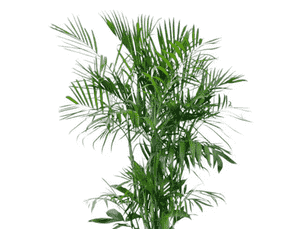
Originating from Central America, this undergrowth palm flourishes in dim environments and commonly displays grouped, thin, verdant stalks resembling bamboo. Efficient trimming entails detaching yellowed or browned leaves at the base and any flower stems after blooming to preserve its look and foster well-being. The ideal times for trimming are late winter or early spring, coinciding with the plant's developmental phase. For bamboo palm, meticulous pruning reduces the chance of illness spread and stimulates a more vigorous, dense growth habit.
What Are the Benefits of Pruning Bamboo Palm?
What Are the Benefits of Pruning Bamboo Palm?
Trimming bamboo palm boosts its vitality and preserves its desired look. Strategic cuts foster a strong structure, allowing light and air to reach inner leaves, which in turn supports vigorous growth and a tidy appearance.
What Is the Best Time for Pruning Bamboo Palm?
What Is the Best Time for Pruning Bamboo Palm?
Pruning bamboo palm in late winter or early spring is most advantageous as this period aligns with bamboo palm's dormant phase before the growth season begins. Trimming during dormancy minimizes stress on bamboo palm and encourages robust growth as the plant enters its active period. Seasonal factors like stable temperatures are vital to prevent frost damage to freshly pruned areas. Pruning outside these recommended times can lead to suboptimal growth or harm the plant's health. Furthermore, since bamboo palm typically lacks a defined flowering or fruiting cycle requiring special consideration, pruning during these times supports general plant upkeep without affecting reproductive stages.
What Tools Do I Need to Prune Bamboo Palm?
Sharp Bypass Pruners
Perfect for cutting through the soft, green stems of bamboo palm without crushing plant tissue. This promotes healthier regrowth and minimizes plant damage.
Precision Snips
Useful for trimming small or hard-to-reach areas of bamboo palm. These snips allow for more delicate work, helping to maintain the plant's natural form.
Pruning Saw
Essential for removing any large or woody stems that may have developed on older bamboo palm specimens. A pruning saw makes cleaner cuts on thicker branches, which is healthier for the plant.
Gloves
Protects your hands from sharp edges and sap when pruning bamboo palm. Safety and cleanliness during pruning can prevent disease transmission between plants.
Sterilizing Solution
Used to clean tools before and after pruning bamboo palm to prevent the spread of pests and diseases. A solution of one part bleach to nine parts water or rubbing alcohol can be used for sterilization.
How to Prune Bamboo Palm
Clean Equipment
Before starting, ensure all pruning tools are clean and sharp. This helps prevent disease spread and makes cleaner cuts that bamboo palm can heal from more efficiently.
Inspect
Thoroughly inspect bamboo palm to identify diseased or withered leaves. Look for any discoloration, spots, or signs of pest infestation that could indicate illness.
Sanitize
If there are diseased leaves, sanitize your tools before and after each cut to prevent contaminating healthy parts of bamboo palm.
Trim Diseased Leaves
Carefully trim diseased leaves at their junction with the stem. Make clean cuts close to the stem without damaging it to avoid unnecessary stress on bamboo palm.
Trim Withered Leaves
Remove withered leaves by cutting them at the base near the stem. These are typically older leaves that are yellowing or browning. Regular removal encourages growth and maintains bamboo palm's aesthetic.
Common Pruning Mistakes with Bamboo Palm
Overpruning
Removing too much foliage at once can stress bamboo palm, leading to poor growth or even death. Aim to remove no more than one-third of the overall growth to ensure the plant remains healthy.
Cutting Healthy Fronds
It's a mistake to prune healthy green fronds as they are essential for photosynthesis and the overall vigor of bamboo palm. Only prune fronds that are dead, damaged, or diseased.
Improper Tool Use
Using dull or dirty pruning tools can damage bamboo palm's fronds and introduce disease. Always use clean, sharp pruning shears to make clean cuts.
Tearing Fronds
Pulling or tearing fronds instead of cutting them cleanly can create jagged edges that are more susceptible to pests and diseases. Always use a cutting motion.
Ignoring Hygiene
Failing to disinfect tools between uses can spread disease from plant to plant. Clean pruning tools with a disinfectant before and after use on bamboo palm.
Common Pruning Tips for Bamboo Palm
Timing
While the best season isn't mentioned, it's essential to prune bamboo palm promptly when you notice dead or dying fronds to maintain plant health without focusing on the season.
Selective Pruning
Target only the fronds that need removal, such as those that are yellow, brown, or withered, ensuring bamboo palm retains its shape and health.
Cut Location
Cut fronds close to the base without damaging the main stem. This promotes better healing and reduces the risk of disease for bamboo palm.
Disposal
Dispose of the pruned material away from the plant to prevent the spread of any potential pests or diseases that may have affected the removed fronds of bamboo palm.
Pruning Pattern
Maintain the natural shape of bamboo palm by following its growth pattern while pruning, avoiding any drastic changes to its appearance unless reshaping.



