How to Prune Cathay quince?
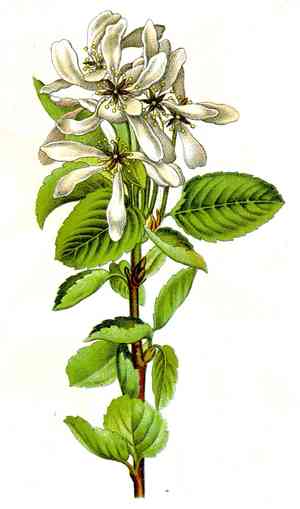
This leaf-shedding bush, recognized for its appealing blossoms and produce, thrives with trimming to preserve its form and stimulate robust development. Essential pruning methods for cathay quince involve reducing aged and congested limbs, snipping back to buds facing outward to foster external expansion, and eliminating any lifeless, injured, or ailing timber. The most suitable period for pruning is in the initial part of spring or during winter when the plant is inactive. Trimming cathay quince improves air movement and light exposure, which can boost fruit yield and lower the likelihood of illness.
What Are the Benefits of Pruning Cathay Quince?
What Are the Benefits of Pruning Cathay Quince?
Trimming cathay quince is crucial for fostering a robust flowering cycle and can significantly boost its blooming capabilities. Furthermore, the strategic removal of aged or unhealthy branches can lessen the chance of pest infestations and diseases, thereby ensuring more vigorous and healthy growth.
What Is the Best Time for Pruning Cathay Quince?
What Is the Best Time for Pruning Cathay Quince?
Pruning cathay quince in early spring is advantageous as it occurs just before new growth commences, allowing the plant to recover swiftly without expending resources on parts that will be removed. This timing also aids in reducing disease transmission risk, as many plant pathogens are less active in colder weather. Additionally, early spring pruning enables gardeners to shape the plant and eliminate any dead or damaged wood, enhancing its overall structure and health. Winter pruning, during the plant's dormancy, is also beneficial as it minimizes plant stress. During this dormant phase, the absence of leaves provides better visibility of the plant's structure, facilitating more precise cuts and promoting a healthier growth pattern for the upcoming season. It's also the perfect time for rejuvenation pruning when older or overgrown cathay quince specimens need more extensive cutting back to revitalize growth. Pruning during these recommended periods aligns with cathay quince's natural cycle, encouraging vigorous growth and an abundance of flowers or fruits in subsequent seasons.
What Tools Do I Need to Prune Cathay Quince?
Hand Pruners
For precise cuts on slender branches and shaping cathay quince, hand pruners should be sharp and deliver a clean cut to prevent harm to the plant's delicate stems.
Lopping Shears
Ideal for removing thicker branches that hand pruners cannot manage, lopping shears offer the necessary leverage and cutting power without unduly stressing cathay quince's branch structure.
Pruning Saw
For the thickest branches, a pruning saw is essential. It permits careful removal of large limbs without damaging surrounding branches or cathay quince's main structure.
Hedge Shears
If shaping hedges or achieving a formal look is desired, hedge shears can be utilized for trimming and shaping cathay quince's foliage more uniformly.
Pole Pruner
Should cathay quince be quite tall and you need to reach elevated branches, a pole pruner with a cutting blade and saw attachment allows for safe pruning from the ground.
How to Prune Cathay Quince
Cleaning tools
Before pruning cathay quince, sanitize pruning tools with a solution of 1 part bleach to 9 parts water to prevent disease spread.
Removing diseased and dead material
Remove any diseased leaves, withered leaves, dead branches, and diseased branches from cathay quince using sharp, clean pruning shears. Cut back to healthy wood, just above a leaf node or bud.
Thinning crowded areas
Thin out congested areas to improve air circulation. Selectively prune excessive growth branches by cutting back to where they join a larger branch or to an outward-facing bud, which encourages outward growth.
Pruning withered flowers
Cut off withered flowers on cathay quince after blooming to prevent seed formation and to promote more blooms in the following season.
Shaping
Shape cathay quince by pruning branches to maintain the desired form and size. Make clean cuts at an angle, just above buds that face the outside of the plant to direct new growth outward and prevent crowding.
Common Pruning Mistakes with Cathay Quince
Over-pruning
Removing too much growth at once can stress cathay quince, leading to weak growth or reduced flowering. It's crucial not to cut away more than one-third of the plant's overall volume during a pruning session.
Neglecting dead or diseased wood
Failing to remove dead or diseased branches from cathay quince can hinder the plant's health and appearance. These areas can harbor diseases or pests, potentially spreading to healthy parts of the plant.
Improper cut placement
Cutting too close or too far from the bud can cause damage or dieback. When pruning cathay quince, make sure to cut about a quarter-inch above an outward-facing bud to encourage proper growth direction and healing.
Using dull tools
Pruning with dull or unclean tools can damage cathay quince by creating jagged cuts that are susceptible to pests and disease. Always use sharp, clean pruning shears or loppers.
Ignoring plant shape
A common error is to prune cathay quince without considering its natural shape, which can lead to an unbalanced or unnatural appearance. Aim to maintain cathay quince's natural form while pruning.
Common Pruning Tips for Cathay Quince
Thinning out
To encourage healthy growth and airflow, thin out cathay quince by removing some of the older branches at their base. This allows light to penetrate and rejuvenates the plant by stimulating new growth.
Support flowering
To enhance flowering, prune cathay quince by cutting back the tips of the branches that have already bloomed. This encourages the development of new wood, which is where the next season's flowers will appear.
Maintain health
Regularly inspect cathay quince and promptly remove any branches that show signs of disease, damage, or crossing over one another, which can cause wounds and allow disease entry points.
Gradual rejuvenation
For older cathay quince that have become overgrown, rejuvenate them over several years by gradually pruning away larger, older stems. This minimizes stress and preserves the plant's vitality.
Post-bloom pruning
Directly after cathay quince finishes its blooming period, shape the plant by reducing the length of the longest stems. This keeps the plant tidy and prepares it for the next growing season.



