How to Prune Chilean cestrum?
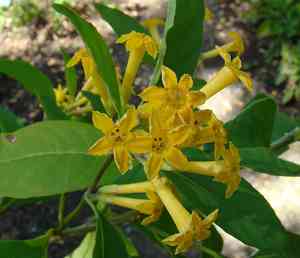
This rapidly developing evergreen bush showcases abundant leaves and groupings of greenish-yellow blossoms. The most effective trimming for chilean cestrum entails shortening any excessively long branches, preserving the intended form, and eliminating impaired or ailing sections. Perform pruning in late winter or early spring prior to the emergence of new shoots. Consistent trimming fosters more robust, thicker development and stimulates more abundant flowering. Remove a minimum of one-third of the older woody stems to revitalize the shrub.
What Are the Benefits of Pruning Chilean Cestrum?
What Are the Benefits of Pruning Chilean Cestrum?
Trimming chilean cestrum promotes robust development and helps maintain its desired form. Strategic cuts encourage fresh, healthy shoots, preventing the plant from becoming leggy or overgrown, thus preserving both vigor and beauty.
What Is the Best Time for Pruning Chilean Cestrum?
What Is the Best Time for Pruning Chilean Cestrum?
Pruning chilean cestrum in late winter to early spring is advisable as it precedes the active growth period, enabling gardeners to shape the plant and remove any winter damage before new growth emerges. This ensures the plant's energy is directed towards developing strong new branches and leaves. This timing also avoids removing flower buds, which formed the previous season, thus not affecting the blooming cycle. Pruning during this window helps minimize stress on chilean cestrum and reduces the risk of disease entering through fresh cuts, as many pathogens are less active in cooler weather. Furthermore, the plant's dormant state during this period allows for easier assessment of its structure for making strategic cuts.
What Tools Do I Need to Prune Chilean Cestrum?
Bypass Pruners
Perfect for making clean cuts on younger, softer growth, offering precise control when trimming chilean cestrum's smaller stems.
Lopping Shears
Equipped with long handles and powerful blades, suitable for cutting through chilean cestrum's thicker branches that are too large for bypass pruners.
Pruning Saw
Essential for removing mature wood and large branches from chilean cestrum, causing less stress to the plant compared to using shears on large cuts.
Handheld Hedge Shears
Useful for shaping chilean cestrum when it is used as a hedge, providing uniform cuts on multiple stems at once.
How to Prune Chilean Cestrum
Identify and Sanitize
Examine chilean cestrum for dead or diseased branches. Use sterilized pruning tools to prevent the spread of disease. Clean blades with alcohol or a bleach solution before cutting.
Cut Dead Branches
Remove dead branches by cutting them at their origin point or back to a healthy lateral branch. Make clean cuts just above leaf nodes to encourage new growth.
Remove Diseased Branches
Prune diseased branches by cutting them well below the affected area. Ensure cuts are made into healthy wood and dispose of the removed material safely, away from other plants.
Shape and Thin
Thin out chilean cestrum's growth to improve air circulation and light penetration. Follow the natural shape of the plant, selectively pruning to enhance its form.
Clean Up
After pruning chilean cestrum, clear away all cuttings from the base of the plant to prevent disease and pest infestation. Clean and store tools properly for future use.
Common Pruning Mistakes with Chilean Cestrum
Over-pruning
Removing too much foliage from chilean cestrum can shock the plant, leading to reduced vigor and potentially killing it.
Under-pruning
Failing to remove enough aged or dead material can result in chilean cestrum looking untidy and may hinder new growth and flowering.
Improper cuts
Making cuts that are too close to the bud or too far from it can result in damage to chilean cestrum or poor regrowth.
Tearing branches
Pulling or tearing branches during pruning can cause unnecessary damage to chilean cestrum's bark and create open wounds susceptible to disease.
Pruning during growth
Cutting back chilean cestrum during active growth could limit bloom potential and cause stress to the plant.
Tool hygiene
Using dirty pruning equipment can introduce diseases to chilean cestrum, compromising its health.
Common Pruning Tips for Chilean Cestrum
Sanitize tools
Always use clean, sharp pruning tools to make precise cuts and prevent the spread of disease to chilean cestrum.
Selective thinning
Thin out overcrowded areas to allow light and air circulation, encouraging healthy growth in chilean cestrum.
Cut at angle
Make cuts at a 45-degree angle about 1/4 inch above a bud to promote effective healing and new growth on chilean cestrum.
Remove dead material
Regularly remove dead, damaged, or diseased wood to maintain chilean cestrum's overall health and appearance.
Maintain shape
Prune chilean cestrum to maintain its natural shape, cutting back to a side branch or bud that points in the direction you want new growth to take.
Pruning for rejuvenation
Occasionally, hard pruning may be necessary to rejuvenate an old or overgrown chilean cestrum, but this should be done carefully and not too frequently.



