How to Prune Parachute plant?
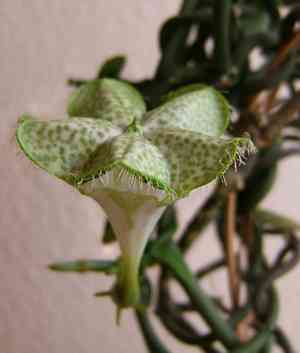
Renowned for its distinctive parachute-shaped blossoms, the parachute plant flourishes with targeted trimming to eliminate deceased or excessively long stems, fostering more robust development and bloom production. Perform pruning from springtime through early autumn, steering clear of its inactive period. Concentrate on making cuts above leaf junctions to stimulate energetic re-growth. Consistent pruning guarantees superior air movement and diminishes the likelihood of ailments. Deliberate shaping preserves its characteristic form and elevates the plant's aesthetic value.
What Are the Benefits of Pruning Parachute Plant?
What Are the Benefits of Pruning Parachute Plant?
Trimming parachute plant promotes more robust development by reallocating energy to fresh shoots and blooms. Consistent cutting helps preserve the desired form and size, ensuring parachute plant stays attractive and manageable.
What Is the Best Time for Pruning Parachute Plant?
What Is the Best Time for Pruning Parachute Plant?
Spring is an optimal period to prune parachute plant as it marks the start of its active growth phase, allowing the plant to recover quickly from cuts and channel energy into new development. Early Summer is also suitable for trimming parachute plant, especially right after the blooming period, to shape the plant and encourage further growth without jeopardizing its overall health. Pruning in Late Fall is advantageous for parachute plant as it prepares the plant for dormancy; removing excess growth at this time lessens stress during the colder months. It's crucial to avoid pruning during the peak growth phase in mid-summer and during winter, when the plant is dormant, to prevent stunted growth or unnecessary harm. Pruning should be executed with hygiene and precision to keep parachute plant thriving.
What Tools Do I Need to Prune Parachute Plant?
Sharp Bypass Pruners
Perfect for making clean cuts on parachute plant without crushing its stems, ensuring healthy regeneration.
Precision Snips
Ideal for trimming delicate or hard-to-reach sections of parachute plant, allowing for exact control and minimal plant damage.
Gloves
Protects hands when handling parachute plant, preventing skin irritation from its sap and ensuring a safe pruning process.
How to Prune Parachute Plant
Sterilize
Clean and sanitize your pruning tools before beginning to prevent the spread of disease to parachute plant.
Identify
Carefully examine parachute plant for diseased leaves, withered leaves, dead branches, and diseased branches that need removal.
Remove diseased leaves
Using your sterilized tools, precisely snip off the diseased and withered leaves at their base where they meet the stem or branch, avoiding harm to healthy parts of parachute plant.
Cut dead branches
Prune dead and diseased branches from parachute plant by making clean cuts at a slight angle just above a healthy leaf node or main stem to encourage vigorous growth.
Dispose
Safely discard all pruned material away from healthy plants to prevent contamination and clean your tools again after finishing with parachute plant.
Common Pruning Mistakes with Parachute Plant
Overpruning
Removing too much foliage from parachute plant can hinder its growth by reducing its ability to photosynthesize. It's vital not to remove more than a third of the plant's growth in a single pruning session.
Improper cut location
Making cuts too far from a node can leave unnecessary stubs, which might decay and attract pathogens. Conversely, cutting too close to a node could damage the growth point.
Using dull tools
Pruning parachute plant with dull or dirty tools can result in ragged cuts that take longer to heal, making the plant more vulnerable to disease.
Ignoring diseased areas
Failing to remove diseased or pest-infested areas can lead to further damage. Ensuring all compromised sections are pruned is crucial for the health of parachute plant.
Pruning without reason
Pruning without a specific objective, such as shaping the plant or removing dead or diseased material, can stress parachute plant and diminish its vitality.
Common Pruning Tips for Parachute Plant
Clean cuts
Ensure you use clean, sharp pruning shears to make precise cuts, which heal faster and reduce the risk of disease for parachute plant.
Node focus
When pruning, cut just above a leaf node at a 45-degree angle, which promotes new growth and maintains the plant's form.
Regular check-ups
Periodically inspect parachute plant for yellowing or dead leaves and remove them to maintain plant health and encourage new growth.
Growth management
Prune parachute plant to control its growth if it becomes too large for its space. This will help redirect energy to healthier parts of the plant.
Pruning after flowering
While avoiding the season-specific advice, timing the pruning right after the flowering phase can promote better growth and flowering in the subsequent seasons.



