How to Prune Chinese redbud?
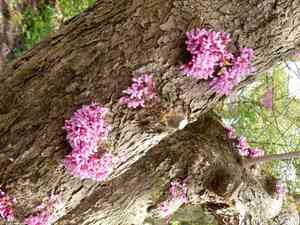
This deciduous shrub, recognized for its cordate foliage and pinkish-red blossoms, thrives with judicious trimming to preserve its form and foster vigor. Essential methods involve excising dead or ailing limbs, reducing dense sections to enhance airflow, and shortening elongated stalks to stimulate a fuller habit. The optimal period for this is late winter to early spring, prior to the emergence of new shoots. Important points include refraining from severe cutting to uphold its inherent structure and boosting bloom production by keeping the prior year's development.
Advantages of Trimming Chinese Redbud
Advantages of Trimming Chinese Redbud
Trimming chinese redbud promotes robust development and preserves its appealing form. Thoughtful branch removal improves light penetration and air circulation, crucial for a strong constitution.
Optimal Period for Trimming Chinese Redbud
Optimal Period for Trimming Chinese Redbud
Trimming chinese redbud in late winter or early spring is ideal because this timing allows gardeners to prune the plants before new growth begins, which typically occurs in spring. By pruning in late winter, while the plant is still dormant, the risk of disease transmission is minimized, and potential damage from cold weather to fresh cuts is avoided. Pruning in early spring enables the gardener to shape chinese redbud before it invests energy into spring growth, fostering a stronger structure and new growth in desired areas. Furthermore, since chinese redbud flowers on old wood, pruning during this recommended period will not impact the production of buds set to bloom in the upcoming season.
Tools Required for Trimming Chinese Redbud
Bypass Pruners
Perfect for making clean cuts on young or green wood of chinese redbud, ensuring healthy regrowth.
Lopping Shears
Useful for cutting through thicker branches, up to about 1 1/2 inches in diameter, without harming the chinese redbud.
Pruning Saw
Essential for removing mature or large branches, helping manage the size and shape of chinese redbud.
Hand Pruners
Best for precise cuts on chinese redbud when shaping or removing small, unwanted twigs.
Pole Pruners
Allows the gardener to reach higher branches of chinese redbud without overextending, ensuring safety and accurate pruning.
How to Trim Chinese Redbud
Sterilize
Sanitize pruning tools before starting to ensure chinese redbud's cuts are free from potential pathogens.
Inspect
Examine chinese redbud for dead and diseased branches, identifiable by their brittle nature or discolored and unhealthy appearance.
Cut Dead Branches
Remove dead branches at the point where they meet healthy wood, making a clean and angled cut just above a bud to encourage proper healing and new growth.
Remove Diseased Branches
Eliminate diseased branches by pruning them well below the affected area to prevent disease spread, ensuring to cut back to healthy tissue.
Disinfect
Sanitize pruning tools after cutting diseased branches and before making any other cuts to stop the potential spread of disease to healthy parts of chinese redbud.
Common Trimming Errors with Chinese Redbud
Over-Pruning
Removing too much growth at once can stress chinese redbud, leading to poor health and reduced flowering. Trim no more than one-third of the plant in a single season.
Improper Cut Location
Cutting too far from or too close to a bud can harm chinese redbud. Cuts should be made approximately 1/4 inch above an outward-facing bud, to encourage proper growth direction.
Neglecting Tool Sanitation
Using dirty tools can spread disease. Always clean and sanitize pruning shears before use on chinese redbud to prevent infection.
Pruning Without A Plan
Starting without assessing chinese redbud's shape can lead to an imbalanced appearance. Plan the desired outcome before making cuts to maintain a natural form.
Tearing Stems
Rough cuts that tear the stems can create wounds vulnerable to disease and pests. Use sharp tools to make clean, straight cuts.
General Trimming Advice for Chinese Redbud
Selective Pruning
Remove only dead, diseased, or crossing branches to maintain chinese redbud's health and structure. Thinning out crowded areas improves light penetration and air circulation.
Cut Angle
Cut at a 45-degree angle to prevent water accumulation on the cut surface, reducing the risk of decay in chinese redbud.
Rejuvenation Pruning
For older chinese redbud plants that are overgrown or have sparse blooming, consider more aggressive pruning to rejuvenate the plant, while still adhering to the one-third rule.
Growth Direction Control
Guide chinese redbud's growth by pruning just above buds facing the outside of the plant to encourage outward growth, which results in a more open and attractive shape.
Post-Bloom Pruning
Although timing is not to be discussed, it's essential to remove spent flowers to promote more blooms and tidy up chinese redbud.



