How to Prune Katsura tree?
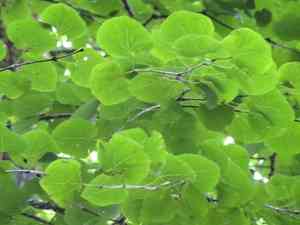
Originating from Japan and China, the katsura tree is recognized for its cordate leaves and fragrant fall foliage. For this species, trimming should concentrate on eliminating deceased or ailing limbs and sculpting for an even form. The ideal period is from late winter to early spring, prior to the emergence of new shoots. This timing for pruning reduces sap leakage and strain, fostering more robust development. Exercise restraint when pruning, as the katsura tree seldom needs extensive cutting, with advantages such as enhanced air movement and light access.
What Are the Benefits of Pruning Katsura Tree?
What Are the Benefits of Pruning Katsura Tree?
Trimming katsura tree promotes robust development and helps preserve its desired form. It enables gardeners to sculpt the tree for visual appeal and optimal structural soundness, which is particularly crucial for katsura tree's inherently graceful outline.
What Is the Best Time for Pruning Katsura Tree?
What Is the Best Time for Pruning Katsura Tree?
Late winter to early spring is considered the optimal period for trimming katsura tree because the plant remains dormant then, lessening stress and the chance of disease transmission. Pruning before the new growth surge ensures quicker healing of cuts with the onset of spring growth. This timing also allows for the removal of winter-damaged branches before the tree expends energy on them. Avoiding pruning in late spring or summer protects katsura tree from excessive sap loss, which can occur if cuts are made during active growth. Furthermore, it prevents disruption to the development of leaves and flowers, known for their beauty and distinct fragrance.
What Tools Do I Need to Prune Katsura Tree?
Hand Pruners
Essential for making clean cuts on smaller branches of katsura tree, typically up to 1/2 to 3/4 inches in diameter.
Loppers
Ideal for cutting branches of katsura tree that are up to 1 1/2 to 2 inches in diameter, providing greater reach and leverage for thicker branches.
Pruning Saw
Necessary for removing larger branches of katsura tree over 2 inches in diameter, where hand pruners and loppers aren't adequate.
Pole Pruner/Saw
Useful for cutting branches higher up on katsura tree without the use of a ladder, ensuring safety and precision.
Hedge Shears
Appropriate for shaping and maintaining the form of katsura tree if grown as a hedge or for formal shapes.
Pruning Gloves
To protect the hands from scratches and increase grip strength when pruning katsura tree.
Wound Sealant
While generally not recommended, if large cuts are made on katsura tree, applying a wound sealant can sometimes be considered to protect against disease.
How to Prune Katsura Tree
Step1: Inspect for Dead and Damaged Branches
Examine katsura tree for dead wood and damaged branches that need removal. Look for branches that are discolored, brittle, or show no signs of healthy buds.
Step2: Gather Appropriate Pruning Tools
Prepare the correct tools for trimming katsura tree. Ensure you have sharp, clean bypass pruning shears for small branches and a pruning saw for larger limbs.
Step3: Remove Dead Wood at Branch Collar
Begin by removing dead wood. Make cuts just outside the branch collar, the swollen area of trunk tissue that forms around the base of a branch. This promotes proper wound healing.
Step4: Cut Back Damaged Branches to Healthy Wood
Trim damaged branches by cutting back to a point of healthy wood, well below any cracked or broken areas. If the entire branch is damaged, remove it at the branch collar.
Step5: Assess and Shape Tree Post-Pruning
After removing dead and damaged wood, step back to evaluate the tree's shape. If further shaping is needed, identify which branches to prune for aesthetic purposes.
Step6: Direct New Growth by Pruning Above Buds
When shaping katsura tree, always cut just above a bud facing the direction you want a new branch to grow. This directs new growth outward, maintaining an appealing form.
Step7: Thin Dense Areas for Airflow and Light
Thin out dense areas by selectively trimming branches to improve air circulation and light penetration. Remove entire branches at their origin to avoid stubs and promote a clean look.
Step8: Dispose of Pruning Debris to Prevent Disease
Clear away all pruning debris from around the base of katsura tree to prevent the spread of disease and pests.
Step9: Fertilize after Pruning for Healthy Regrowth
After pruning, apply a balanced, slow-release fertilizer around the base of katsura tree to support healthy regrowth.
Step10: Monitor Plant Health and Care Post-Pruning
Monitor katsura tree for signs of stress or disease and ensure it receives adequate water and care following pruning to encourage recovery and vigorous growth.
Post-Pruning Care for Katsura Tree
Post-Pruning Care for Katsura Tree
Immediately after trimming katsura tree, water the soil to aid healing. Maintain consistent moisture without waterlogging and provide filtered sunlight, avoiding direct hot sun. Adjust humidity and protect from extreme temperatures. Apply a balanced, slow-release fertilizer to assist recovery and stimulate growth. Regularly inspect katsura tree for signs of distress or disease, such as discolored leaves or cankers. If symptoms are present, promptly treat with appropriate fungicides or pest control methods, and adjust care as necessary.
Common Pruning Mistakes with Katsura Tree
Avoid Excessive Foliage Removal
Over-trimming, which can stress katsura tree and lead to poor health or growth. Removing more than 25-30% of the foliage in a single season is generally excessive.
Do Not Cut the Main Leader
Cutting off the leader, or main upward-growing branch, can disrupt the natural shape and potentially stunt the growth of katsura tree.
Proper Cut Placement for Healing
Making cuts too close to the trunk or leaving long stubs. Either mistake can hinder proper healing and make katsura tree susceptible to diseases or pests.
Sterilize Tools to Prevent Disease Spread
Pruning without sterilizing tools between cuts, especially when moving between different plants, can spread disease to the katsura tree.
Preserve the Branch Collar During Pruning
Ignoring the branch collar when making cuts, which can cause improper healing and increase the risk of decay in katsura tree.
Avoid Topping the Tree
Topping the tree, or cutting back the main branches to stubs, disrupts the natural form and can lead to weak new growth that's prone to damage in katsura tree.
Common Pruning Tips for Katsura Tree
Use Sharp and Clean Pruning Tools
Use sharp, clean pruning tools to make clean cuts, which help katsura tree heal faster and reduce the risk of disease.
Maintain Natural Growth Habit Shape
Prune to maintain the natural pyramid-like shape of katsura tree, working within its growth habit for the best aesthetic and health outcomes.
Prune Only Necessary Branches
Remove only dead, diseased, or damaged branches, as well as those that cross or rub against each other, to prevent wounds and improve the overall structure of katsura tree.
Prune at a Downward Angle Near Branch Collar
When thinning, make cuts at a downward angle, just outside the branch collar, to promote proper healing and avoid damage to the trunk of katsura tree.
Create a Stable Structure in Young Trees
Focus on creating a stable structure, especially for young katsura tree, by spacing out main branches and removing competing leaders.
Disinfect Tools Between Plants
Sterilize pruning tools with alcohol or a 10% bleach solution before moving to another katsura tree to prevent cross-contamination of diseases.
Remove Suckers and Water Sprouts Regularly
Monitor for and regularly remove suckers and water sprouts that can sap energy from the desired growth of katsura tree.
Minimal Pruning for Low-Maintenance Trees
Remember that katsura tree is naturally a low-maintenance tree, so minimal pruning is often sufficient to maintain its health and shape.



