How to Prune Rubbertree?
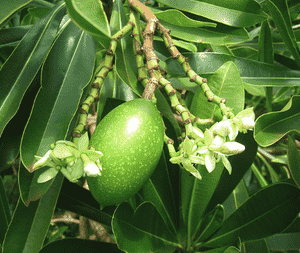
With its lustrous foliage and toxic properties, rubbertree thrives with trimming during its dormant period in winter. Eliminate any lifeless or ailing limbs to foster well-being and control its dimensions. Deliberate reduction of errant branches encourages a symmetrical shape, boosting its aesthetic value. Pruning incites fresh development in the spring, so confirm that sharp, sanitized implements are utilized for accurate incisions. This upkeep is crucial for vigorous specimens, ideal air movement, and sufficient light exposure, all essential for rubbertree's vigor.
Advantages of Trimming Rubbertree
Advantages of Trimming Rubbertree
Trimming rubbertree promotes robust development and maintains its preferred form. Regular cutting eliminates dead or overgrown branches, ensuring sufficient light and air movement, crucial for the plant's well-being and structure. Pruning also stimulates fresh growth, enhancing the plant's visual appeal and vitality.
Optimal Time for Pruning Rubbertree
Optimal Time for Pruning Rubbertree
Late winter is considered the best period for pruning rubbertree, as this time typically marks the end of the dormant phase for many plants. Pruning during late winter minimizes stress on rubbertree, as the plant prepares to enter its active growth phase with the arrival of spring. This timing also allows gardeners to remove any cold-damaged branches before new growth begins. Furthermore, since rubbertree has not yet expended energy on spring growth, resources can be more effectively allocated to healing and producing new, healthy growth following pruning. Additionally, with the absence of leaves, it is easier to evaluate the plant's structure and make strategic cuts. Avoiding the flowering or fruiting periods ensures that the plant's reproductive cycles are not disrupted, which could otherwise reduce the flowering and fruiting potential.
Tools Required for Pruning Rubbertree
Bypass Pruners
Perfect for making clean cuts on rubbertree's smaller branches. These pruners create precise cuts that heal quickly, reducing the risk of disease.
Lopping Shears
Best for cutting through thicker branches of rubbertree, typically up to 1.5 inches in diameter, which bypass pruners cannot handle.
Pruning Saw
Essential for removing large limbs of rubbertree that lopping shears cannot accommodate. It's especially useful for reaching denser parts of the canopy.
Hand-held pruning shear
Useful for shaping rubbertree and removing smaller shoots and leaves with precision.
How to Prune Rubbertree
Identification
Identify all dead and diseased branches on rubbertree by inspecting for discoloration, wilting, and signs of decay.
Sanitization
Sterilize pruning tools with alcohol or a bleach solution to prevent the spread of disease during the pruning process.
Cutting
Cut dead branches at the point where they join healthy wood, making a clean cut just outside the branch collar to facilitate proper healing.
Diseased branch removal
Remove diseased branches by cutting them well below the affected area, taking care not to spread pathogens by touching other parts of rubbertree.
Cleanup
Dispose of all removed debris away from healthy plants to prevent the spread of pests or disease, and clean the tools again after pruning.
Common Pruning Errors with Rubbertree
Excessive cutting
Pruning more than one-third of rubbertree's foliage at once can stress the plant, potentially leading to poor health and reduced vigor.
Trunk damage
Avoid damaging the trunk when pruning, as large wounds can become entry points for pests and diseases and can lead to trunk decay.
Poor tool upkeep
Using dull or unclean tools can cause jagged cuts that are more prone to infection, adversely affecting rubbertree's health.
Pruning without a strategy
Random or excessive cutting without understanding the growth pattern of rubbertree can result in an unsightly shape and may hinder growth.
Neglecting diseased limbs
Failing to remove diseased or damaged limbs can allow the problem to spread throughout the plant.
Ignoring branch structure
Cutting without regard to branch structure can lead to poor growth patterns and structural weakness in rubbertree.
General Pruning Advice for Rubbertree
Sharp and clean tools
Always use sharp, clean pruning shears or loppers to make clean cuts that heal quickly, minimizing stress on rubbertree.
Angle cuts correctly
Make cuts at a 45-degree angle away from a bud to encourage proper healing and direct new growth in the desired direction.
Focus on dead material
Prioritize the removal of dead, diseased, or damaged branches to promote rubbertree's overall health and appearance.
Maintain plant shape
Carefully shape rubbertree by selectively pruning to maintain an aesthetically pleasing form while ensuring enough foliage remains for photosynthesis.
Encourage air flow
Thin out dense areas to improve air circulation, which helps prevent fungal diseases and promotes a robust structure for rubbertree.
Protect plant health
Immediately after pruning, dispose of all cuttings to reduce the chances of disease transmission and keep the garden tidy.



