How to Prune Chinese plumbago?
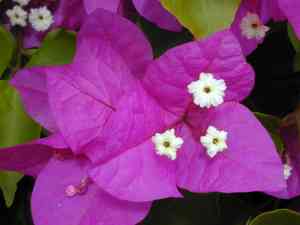
A deciduous woody plant recognized for its striking blue blossoms and vibrant fall foliage, chinese plumbago thrives with consistent trimming. To foster a denser form and preserve its outline, perform pruning in early spring prior to the emergence of new shoots. Following the blooming period, cut back the faded flower stalks to deter self-propagation and encourage a subsequent flowering cycle. In autumn, lightly prune to eliminate any dead or frail branches. This horticultural practice revitalizes chinese plumbago, boosting both its floral display and leaf coloration while managing its expansion.
Advantages of Trimming Chinese Plumbago
Advantages of Trimming Chinese Plumbago
Trimming chinese plumbago encourages the development of new, robust branches, which in turn boosts flowering. Consistent pruning helps preserve an appealing form and promotes more vigorous growth in chinese plumbago, keeping it strong and full.
Optimal Time for Pruning Chinese Plumbago
Optimal Time for Pruning Chinese Plumbago
Pruning chinese plumbago in late winter or early spring, just prior to the start of its new growth phase, is ideal. This timing helps revitalize chinese plumbago's growth as it emerges from dormancy, ensuring energy is directed to healthy new shoots. Additionally, removing any frost-damaged stems at this point will enhance chinese plumbago's overall vitality and look. Pruning chinese plumbago in summer or fall is not advised as it can stimulate new growth that may not adequately harden before cold winter temperatures arrive, potentially causing damage.
Tools Required for Pruning Chinese Plumbago
Hand Pruners
These are crucial for cutting small branches and twigs on chinese plumbago, providing clean cuts without harming surrounding stems.
Lopping Shears
For thicker branches that hand pruners can't manage, lopping shears offer longer handles for increased leverage and are suitable for chinese plumbago's occasionally dense growth.
Pruning Saw
When chinese plumbago has particularly thick branches, a pruning saw can be used for precise cuts without undue stress on the plant.
Hedge Shears
When shaping chinese plumbago or trimming numerous twigs, hedge shears help achieve a uniform look with their long, straight blades.
Gloves
Protective gloves are useful to prevent scratches or irritation from chinese plumbago's branches, and to improve grip on pruning tools.
How to Prune Chinese Plumbago
Assessment
Thoroughly examine chinese plumbago, focusing on identifying diseased leaves, withered leaves, and withered flowers that need removal.
Sanitization
Sanitize your pruning tools with alcohol or a bleach solution to prevent disease transmission when trimming chinese plumbago.
Removal of diseased leaves
Carefully snip off any diseased leaves from chinese plumbago using clean, sharp shears, cutting close to the stem to avoid leaving stubs.
Removal of withered components
Trim away the withered leaves and deadhead withered flowers to maintain chinese plumbago's health and appearance, cutting back to healthy tissue or a leaf node.
Disposal
Gather all removed plant material and dispose of it away from the garden to prevent potential reinfection or pests in chinese plumbago.
Common Pruning Errors with Chinese Plumbago
Excessive Pruning
Removing too many branches, which can stress chinese plumbago and impede its natural, bushy growth habit.
Incorrect Cutting
Making ragged cuts or tearing stems can lead to disease and pest issues. Clean, angled cuts are essential.
Pruning Healthy Tissue
Removing too much healthy growth instead of just dead or damaged wood, which can reduce flowering since chinese plumbago blooms on old wood.
Ignoring Form
Pruning without considering the plant's natural shape can result in an unnatural appearance and impact its overall health.
Neglecting Tool Sanitization
Failing to sanitize pruning tools can spread diseases among plants.
General Pruning Advice for Chinese Plumbago
Targeted Pruning
Remove only the oldest stems and dead material to encourage healthy new growth without diminishing flowering potential.
Promoting Bushiness
Pinching back the tips of young growth can encourage chinese plumbago to become denser and more full.
Routine Maintenance
Regularly removing any dead or fading flowers helps maintain the appearance and health of chinese plumbago.
Branch Orientation
Cut just above an outward-facing bud to encourage outward growth, which aids in maintaining good air circulation.
Post-Flowering Trim
After the blooming season, a light trim can help maintain shape and encourage more flowers for the next season.



