How to Prune Watersprite?
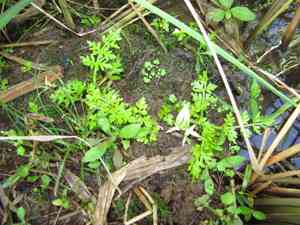
This aquatic fern is recognized for its fine, plume-like foliage and swift development. The best approach for watersprite pruning entails removing aged or discolored fronds near the base to stimulate fresh development. Perform regular trimming throughout spring, summer, and autumn, periods when watersprite exhibits its most vigorous growth. Consistent pruning helps preserve its form, fosters denser growth, and averts excessive density. Always employ sharp shears to ensure precise cuts, avoiding harm to the plant's delicate stalks.
What Are the Benefits of Pruning Watersprite?
What Are the Benefits of Pruning Watersprite?
Trimming watersprite promotes robust development and helps maintain its desired form. Consistent cutting fosters a denser, healthier specimen by allowing full light and air penetration.
What Is the Best Time for Pruning Watersprite?
What Is the Best Time for Pruning Watersprite?
Pruning watersprite in Spring is ideal for removing any dead or winter-damaged foliage, enabling light and air to reach new shoots. This timing aligns with the plant's active growth phase, allowing for quick recovery and growth post-pruning. Summer trimming helps maintain the desired shape and size, crucial for watersprite due to its rapid growth, preventing it from overshadowing or crowding nearby aquatic species. Fall pruning is beneficial as it prepares watersprite for its dormant winter period by eliminating unnecessary or excess growth, which could otherwise decompose in the water, potentially impacting water quality. These seasons are specifically chosen because they correspond with watersprite's growth cycle, ensuring the plant remains healthy and visually appealing throughout its growing season while avoiding any potential negative effects on its aquatic surroundings.
What Tools Do I Need to Prune Watersprite?
Aquarium scissors
As watersprite is an aquatic plant, specialized slender aquarium scissors are recommended for precise trimming and shaping without disturbing the aquatic environment. Their long handles enable gardeners to reach into the water and maneuver around delicate underwater landscapes.
Aquatic plant forceps
For trimming roots or removing dead leaves from watersprite, aquatic plant forceps can be useful. They can grasp and remove unwanted plant parts with minimal disturbance to surrounding plants and substrate.
Fine pruning shears
For thicker stems or more controlled pruning, fine pruning shears can be employed. They provide a clean cut, which is vital for the healthy regrowth of watersprite.
How to Prune Watersprite
Identify
Locate the withered or yellowing leaves on watersprite that may indicate decay or nutrient deficiency.
Sterilize
Sanitize the cutting tool with rubbing alcohol or a bleach solution to prevent the spread of diseases during pruning.
Cut
Using sharp scissors or aquatic plant tools, snip the withered leaves at the base, near the stem of watersprite, being careful not to harm nearby healthy foliage.
Dispose
Gently remove the trimmed leaves from the water to prevent decomposition and potential water quality issues in the plant's environment.
Monitor
Observe watersprite after pruning to ensure it recovers well, and consider adjusting nutrients or lighting if persistent yellowing occurs.
Common Pruning Mistakes with Watersprite
Overpruning
Removing too much foliage at once can stress watersprite, leading to poor growth or recovery.
Underwatering
After pruning, failing to provide sufficient water can hinder watersprite's ability to heal and produce new shoots.
Dirty tools
Using unclean pruning tools can introduce pathogens that may cause disease in watersprite's delicate tissues.
Random cuts
Making cuts without a plan can result in an uneven shape and harm the plant's aesthetic value.
Ignoring dead leaves
Neglecting to remove dead or yellowing leaves can prevent light and nutrients from reaching healthy parts of watersprite.
Tearing leaves
Tearing leaves instead of cutting cleanly can damage watersprite's stems and leave them susceptible to disease.
Common Pruning Tips for Watersprite
Sharp scissors
Use sharp scissors or shears for clean cuts that will heal quickly and minimize stress on watersprite.
Consistent pruning
Regularly prune to maintain size and shape, encouraging dense, bushy growth and vibrant leaves.
Sterilize tools
Sterilize tools before use to prevent the spread of disease among aquarium plants.
Monitor health
Assess watersprite's health before pruning; only prune when the plant is strong enough to recover.
Prune lower leaves
Focus on pruning lower leaves to improve water circulation and light penetration to the base of watersprite.
Balanced aquarium
Maintain a balanced aquarium environment to promote watersprite's regrowth, including proper lighting, nutrients, and CO2 levels.



