How to Prune Carob tree?
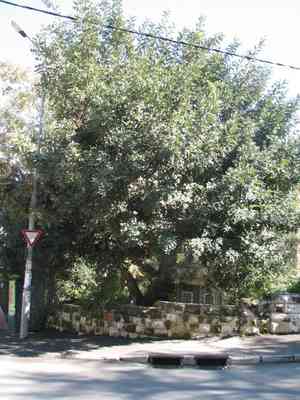
Originating from the Mediterranean region, the carob tree is a resilient evergreen, recognized for its sugary pods. Trimming is carried out to eliminate deceased branches, sculpt the crown, and boost pod yield. The optimal period for pruning is during the winter season when the tree is inactive. It is crucial to execute precise cuts to avert illness, concentrating on reducing crowded sections for improved light access and air movement. Pruning additionally encourages fresh development, guaranteeing a thriving carob tree with abundant yields.
What Are the Benefits of Pruning Carob Tree?
What Are the Benefits of Pruning Carob Tree?
Trimming carob tree promotes robust development and maintains its form. Regular cutting fosters a strong framework, optimizing conditions for fruit yield while improving appearance and managing size.
What Is the Best Time for Pruning Carob Tree?
What Is the Best Time for Pruning Carob Tree?
Winter pruning aligns with carob tree's inactive period, minimizing stress and sap loss. Pruning during this season encourages vigorous spring growth, boosts fruit production, and helps maintain the tree's desired shape. This timing also allows gardeners to easily spot and remove any dead or diseased wood without foliage obstruction. Furthermore, cutting back branches before warmer weather reduces the likelihood of pest infestations and disease transmission common during active growth.
What Tools Do I Need to Prune Carob Tree?
Hand Pruners
Perfect for snipping small branches and twigs of carob tree. Ideal for precise cuts that encourage healthy development.
Loppers
Best for reaching into dense foliage and cutting thicker branches of carob tree, especially those about 1.5 to 2 inches in diameter.
Pruning Saw
Essential for cutting branches exceeding 2 inches in diameter. A pruning saw will make clean cuts through the tougher, thicker branches of carob tree that hand pruners and loppers cannot manage.
Pole Pruner
Useful for cutting higher branches without a ladder. Ensures safety and efficiency when pruning carob tree.
Secateurs
Sharp secateurs are crucial for shaping and detailed work on carob tree, providing clean cuts that help prevent disease entry.
Pruning Shears
For routine maintenance and shaping of carob tree, allowing for quick snips of smaller, softer stems without damage.
Hedge Shears
If carob tree is grown as a hedge or screen, hedge shears will allow for trimming new growth to maintain a desired shape and size.
Gloves and Safety Gear
Always important while pruning to protect hands and eyes from thorns and debris from carob tree.
How to Prune Carob Tree
Step1: Timing Pruning Season
Select the appropriate time for pruning carob tree, typically late winter or early spring before new growth starts. This helps prevent disease and promotes vigorous development.
Step2: Tool Sterilization Process
Sanitize your pruning tools before use to prevent disease spread. Use a solution of 1 part bleach to 9 parts water to sterilize your shears.
Step3: Dead Wood Removal
Start by removing any dead wood. Prune dead branches back to living tissue, making the cut just above a node or lateral branch. This improves the health and appearance of carob tree.
Step4: Weak Branch Pruning
Identify weak branches that may be thin, underdeveloped, or growing at awkward angles that compromise the structure of carob tree. Remove these branches by cutting them back to their origin point or to a strong lateral branch.
Step5: Disease Inspection and Removal
Check for any signs of diseased parts on carob tree. These may include discolored leaves, cankers, or oozing sap. Prune affected branches well below the diseased sections to healthy wood, and dispose of them properly.
Step6: Thinning for Light and Air Flow
Create a balanced, open structure by selectively thinning out overcrowded branches. This encourages adequate sunlight penetration and air circulation throughout carob tree, which is crucial for its health.
Step7: Shaping and Sizing
If necessary, shape carob tree by pruning back overextended branches to maintain the desired form and size. Do not remove more than one-third of live foliage in a single pruning session.
Step8: Post-Pruning Cleanup
After pruning, clear all debris, including fallen leaves and branches, from around carob tree to prevent the spread of pests and disease.
Step9: Fertilization and Watering
Post-pruning, apply a balanced fertilizer to promote healthy regrowth of carob tree, and water the base of the plant adequately to support its recovery.
Step10: Continuous Plant Inspection
Inspect carob tree regularly for signs of new growth or recurring problems, and repeat the pruning cycle annually or as necessary for the health and productivity of the plant.
Post-Pruning Care for Carob Tree
Post-Pruning Care for Carob Tree
Immediately after pruning carob tree, ensure clean cuts to prevent disease entry. Adjust irrigation to maintain moderate soil moisture without waterlogging. Provide partial shade to reduce stress while carob tree recovers. Maintain ambient temperatures and avoid drastic fluctuations. Apply a balanced fertilizer to support new growth; however, avoid over-fertilization which can harm carob tree. Regularly inspect for signs of infection or pest issues. If poor health is indicated by wilting or discoloration, investigate and treat promptly to prevent further stress.
Common Pruning Mistakes with Carob Tree
Over-pruning Causes Stress and Lowers Fruit Yield
Cutting too much at once, which can stress carob tree and reduce its ability to produce fruit.
Improper Cut Placement Can Lead to Disease and Pests
Pruning branches flush against the trunk, which can lead to wounds that are susceptible to diseases and pests.
Ignoring Water Sprouts and Suckers Hinders Productivity
Neglecting to remove water sprouts and suckers, which can divert energy from the productive parts of carob tree.
Dull or Dirty Tools May Damage Branches and Spread Disease
Using dull or dirty tools, which can cause damage to the branches and increase the risk of infection.
Incorrect Limb Removal Technique Can Damage Bark
Tearing the bark when removing larger limbs rather than using the proper three-cut technique which protects the trunk and remaining branches.
Common Pruning Tips for Carob Tree
Angled Cuts Above Buds Promote Healthy Growth Patterns
Make cuts at a slight angle and roughly a quarter inch above a bud that faces the direction you want a new branch to grow to ensure proper healing and desired growth pattern for carob tree.
Cleaning Pruning Tools Reduces Disease Transmission
Thoroughly clean all pruning tools before and after use to prevent the spread of diseases to or from carob tree.
Removing Dead Branches: Timely Cuts to Healthy Wood
Remove dead or diseased branches promptly to maintain the health and aesthetics of carob tree, cutting back to healthy wood.
Shape for Open Canopy to Enhance Light and Air Flow
When shaping carob tree, focus on creating an open canopy that allows light and air to reach the inner sections of the tree, promoting healthy growth and reducing disease risk.
Maintaining Structure by Selectively Removing Branches
Retain the structural integrity of carob tree by maintaining the main scaffold branches and removing any competing leaders or branches that cross and rub against each other.



