How to Prune Chinese plum-yew?
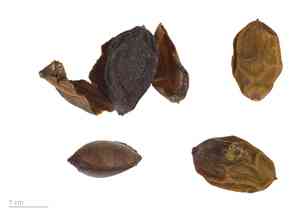
This perennial evergreen, recognized for its acicular foliage and drupe-like produce, flourishes with judicious trimming. Trim chinese plum-yew during the winter season to uphold its structure and foster compact development. Eliminate any lifeless or congested limbs to improve air movement and light exposure, thereby bolstering the well-being of internal leaves. Avoid extensive cutting to safeguard its inherent silhouette. Periodic trimming additionally aids in averting ailments and can stimulate fruit yield, crucial for its aesthetic value.
What Are the Benefits of Pruning Chinese Plum-yew?
What Are the Benefits of Pruning Chinese Plum-yew?
Trimming chinese plum-yew promotes robust development and preserves its attractive form. Regular, careful cutting helps ensure a sturdy, healthy framework and enhanced plant vigor.
What Is the Best Time for Pruning Chinese Plum-yew?
What Is the Best Time for Pruning Chinese Plum-yew?
Trimming chinese plum-yew in late winter to early spring is ideal because this period aligns with the plant's dormant phase, minimizing stress and sap loss. During this time, chinese plum-yew has finished conserving energy for winter and is preparing for vigorous spring growth. Pruning before new growth begins allows the plant's resources to be more effectively directed to desired areas, fostering healthy development and structure. Additionally, the absence of leaves at this time provides better visibility of the plant's framework, aiding precise cuts. This timing also avoids disrupting the main growth period and any potential flowering or fruiting stages that occur later in the season. Pruning within this recommended window supports the natural growth cycle, promotes wound healing before growth spurts, and can improve the overall health of chinese plum-yew.
What Tools Do I Need to Prune Chinese Plum-yew?
Hand Pruners (Bypass Pruners)
Perfect for making clean cuts on chinese plum-yew's smaller branches and stems. Bypass pruners operate like scissors, with two blades passing each other, reducing damage to plant tissues.
Loppers
Suitable for cutting thicker branches that hand pruners cannot manage. They feature long handles that provide leverage to cut branches up to 2 inches in diameter, ideal for maintaining the structure of chinese plum-yew.
Pruning Saw
Essential for removing any of chinese plum-yew's branches that are too thick for loppers. A pruning saw facilitates cutting through thick branches without causing splintering or undue strain on the plant.
Hedge Shears
Useful for trimming and shaping chinese plum-yew when a more formal appearance is desired, as they can create straight, even lines across the foliage.
How to Prune Chinese Plum-yew
Clean tools
Sanitize pruning implements before starting to prevent the spread of disease to chinese plum-yew.
Dead branches
Locate and remove dead branches by cutting at their base where they connect to the main trunk, avoiding damage to the collar.
Diseased branches
Excise diseased branches well below the affected areas to ensure all unhealthy tissue is eliminated from chinese plum-yew.
Disposal
Discard all removed material away from healthy specimens to minimize the risk of disease transmission.
Health check
Perform a final health inspection on chinese plum-yew after pruning, checking for any remaining dead or diseased wood that might have been overlooked.
Common Pruning Mistakes with Chinese Plum-yew
Over-pruning
Removing too much foliage at once can stress chinese plum-yew, leading to stunted growth or a decline in vitality.
Improper cut location
Cutting too far from a leaf node or into old wood may not encourage regrowth and can leave chinese plum-yew susceptible to diseases.
Jagged cuts
Making uneven cuts creates larger wounds that take longer to heal and may attract pests or infections.
Using dull tools
Blunt pruning tools can crush the branches of chinese plum-yew instead of making clean cuts, potentially harming the plant's vascular system.
Neglecting sanitation
Failing to sterilize tools between cuts can spread diseases from one part of chinese plum-yew to another or even between different plants.
Ignoring plant shape
Random or excessive cutting without considering the natural form of chinese plum-yew can result in an unattractive appearance and weaker structure.
Common Pruning Tips for Chinese Plum-yew
Sharp clean tools
Utilize sharp and clean pruning shears to ensure healthy cuts that chinese plum-yew can recover from quickly, reducing the likelihood of disease.
Prune selectively
Thin out overly dense areas to improve air circulation and light penetration, which promotes healthy growth in chinese plum-yew.
Cut at node
Make cuts just above an outward-facing leaf node to encourage outward growth and maintain the natural conical shape of chinese plum-yew.
Consider growth patterns
Understand the growth habits of chinese plum-yew and prune accordingly to avoid removing buds that will produce next season's growth.
Wound care
After pruning, allow the cuts on chinese plum-yew to air-dry naturally without applying wound dressings, as these can hinder healing.
Post-pruning care
Following pruning, water chinese plum-yew sufficiently and consider applying a balanced fertilizer to aid recovery and stimulate new growth.



