How to Prune Common buttonbush?
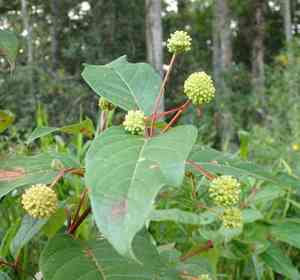
A water-loving woody plant featuring globular floral clusters, common buttonbush thrives with trimming to preserve its form and stimulate denser development. Essential methods involve reducing congested stalks and shortening elongated limbs. The most effective time for pruning is in late winter to early spring, while the plant is inactive, to lessen strain and avoid sap leakage. Trimming additionally revitalizes mature specimens, fostering fresh shoots and blooms, which is vital for sustaining the aesthetic charm and environmental contribution of common buttonbush.
What Are the Benefits of Pruning Common Buttonbush?
What Are the Benefits of Pruning Common Buttonbush?
Trimming common buttonbush promotes abundant flower production and deters pests and illnesses, sustaining plant vitality and attractive form.
What Is the Best Time for Pruning Common Buttonbush?
What Is the Best Time for Pruning Common Buttonbush?
Pruning common buttonbush in early spring is optimal as it precedes new growth, allowing the plant to recover swiftly and channel energy into new shoots. This timing also minimizes plant stress since it's still dormant, not actively allocating resources to leaves, flowers, or seeds. Furthermore, the absence of foliage enhances visibility for precise cuts. Winter pruning is also acceptable since common buttonbush is dormant then, which helps prevent disease entry through cuts. This period also avoids the late spring and summer flowering season, ensuring the plant's blooming and subsequent fruiting capabilities are not negatively impacted by trimming.
What Tools Do I Need to Prune Common Buttonbush?
Hand Pruners
Ideal for clipping thin stems and removing spent blooms. Common buttonbush's softer, green stems are easily cut with these.
Loppers
Perfect for severing thicker branches that hand pruners can't manage. Their extended handles offer leverage for pruning common buttonbush with minimal effort.
Pruning Saw
Essential for removing large branches from mature common buttonbush specimens, ensuring clean cuts without harming the plant.
Hedge Shears
Useful for shaping common buttonbush if grown as a hedge, providing a neat, even cut across the top and sides.
Gloves
Crucial for protecting the gardener's hands from thorns and rough branches while pruning common buttonbush.
Safety Glasses
Shield eyes from any potential harm, such as flying debris, during the pruning of common buttonbush.
How to Prune Common Buttonbush
Step1: Timing for Pruning
Determine the appropriate time of year for pruning common buttonbush. Pruning should occur in late winter to early spring before new growth emerges. This timing helps prevent winter damage and allows gardeners to better observe the plant's structure without leaves.
Step2: Tool Sanitization
Disinfect your pruning tools. Clean shears, pruners, or loppers with a solution of 1 part bleach to 9 parts water to prevent disease transmission.
Step3: Removing Dead Wood
Begin by eliminating all dead wood. Carefully cut back any dead branches to their junction with healthy wood. Ensure the cut is clean and slightly angled to allow water runoff and prevent pooling, which could lead to rot.
Step4: Detecting and Cutting Diseased Branches
Inspect common buttonbush for diseased sections. Look for branches exhibiting signs of illness, such as unusual color, texture, or growths. Remove these branches by cutting at least 6 inches into healthy wood to ensure complete disease eradication.
Step5: Thinning Weak Stems
Trim weak stems. Thin out any stems that are smaller in diameter, appear weak, or have failed to flower. These stems can be cut back to their origin point or to a well-positioned outward-facing bud to encourage outward growth.
Step6: Shaping for Aesthetics and Health
Shape the plant for visual appeal and well-being. Remove any crossing branches that could potentially rub and cause damage. Also, trim back any branches that disrupt the desired form of the common buttonbush, always cutting just above a bud or branch junction facing the direction you wish new growth to occur.
Step7: Cleanup of Pruning Debris
After trimming, clear all cuttings from the ground around common buttonbush. This helps prevent disease spread and maintains a tidy area.
Step8: Post-Pruning Monitoring
Observe the plant after pruning for signs of new growth or further issues. New growth should be healthy and robust. If additional weak or diseased limbs appear, repeat the process as needed.
Step9: Mulching After Pruning
Consider applying a layer of mulch around the base of common buttonbush after pruning. This helps retain soil moisture and protect the roots, especially in regions with hot summers or cold winters.
Post-Pruning Care for Common Buttonbush
Post-Pruning Care for Common Buttonbush
Immediately after pruning common buttonbush, ensure thorough watering to aid plant recovery. Position common buttonbush in an environment with indirect light, maintaining moderate humidity and temperatures around 65-75°F. Apply a balanced, slow-release fertilizer to nourish common buttonbush. Watch for wilting, discoloration, or signs of infection, addressing any issues promptly with fungicides or pest control measures. Consistent monitoring and gentle care are vital for common buttonbush's post-pruning recovery.
Common Pruning Mistakes with Common Buttonbush
Over-Pruning in One Session
Removing too much at once can shock common buttonbush, potentially leading to weakened growth or reduced flowering. Aim to remove no more than one-third of the plant in a single pruning session.
Pruning Old Wood on Flowering Plants
Cutting into old wood can cause problems since common buttonbush flowers on new wood. Itâs important to focus your pruning on the current or last yearâs growth to encourage blooming.
Ignoring Dead or Diseased Branches
Neglecting to remove dead or diseased branches can lead to pest issues and disease spread within common buttonbush. Regular inspection and removal of compromised material is necessary for plant health.
Not Following Natural Plant Shape
Disregarding the plant's natural form. Common buttonbush has a rounded, weeping habit that should be maintained for optimal plant health and aesthetics.
Using Dull or Dirty Pruning Tools
Employing dull or dirty pruning tools can harm common buttonbush branches and introduce diseases. Always use sharp, clean tools for clean cuts that heal quickly.
Common Pruning Tips for Common Buttonbush
Thinning for Airflow and Light
Focus on thinning out dense areas to improve air circulation and light penetration, which are crucial for the health and flowering of common buttonbush.
Removing Crossing Branches
Target the removal of any crossing or rubbing branches to maintain a strong framework and prevent wounds that could invite pests or diseases into common buttonbush.
Gradual Rejuvenation Pruning
If rejuvenation is needed for overgrown or neglected plants, do so gradually over a few years. Start by cutting back up to one-third of the oldest branches to ground level, encouraging vigorous new growth for common buttonbush.
Prune Out Weak Growth
Regularly remove weak, spindly growth to redirect energy to stronger branches, enhancing the overall vigor and floral display of common buttonbush.
Pruning Above Outward Facing Buds
When shaping common buttonbush, prune just above a bud facing the plant's exterior. This practice encourages outward growth, improving the plant's form and preventing inner crowding.



