How to Prune Perennial cornflower?
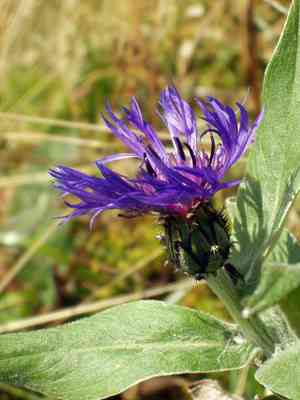
A herbaceous perennial, perennial cornflower exhibits brilliant blue blossoms and silvery-green leaves. Regularly remove spent and wilting blooms to stimulate continuous flowering and sustain vitality. Execute a comprehensive trim in late autumn or early spring to foster robust development and adequate air circulation. Trimming in spring, following the final frost, enables perennial cornflower to recuperate swiftly and thrive throughout the cultivation period. Pruning aids perennial cornflower by inhibiting self-propagation and encouraging more abundant, healthier flowers in subsequent seasons.
What Are the Benefits of Pruning Perennial Cornflower?
What Are the Benefits of Pruning Perennial Cornflower?
Trimming perennial cornflower promotes a fresh burst of blossoms and maintains the plant's vitality, encouraging a dense and appealing form. Strategic cutting also allows gardeners to control its dimensions and structure.
What Is the Best Time for Pruning Perennial Cornflower?
What Is the Best Time for Pruning Perennial Cornflower?
Pruning perennial cornflower in late spring, following its initial bloom, stimulates a second flowering period. Trimming in early summer can be done to sculpt the plant and keep it at a manageable size. Autumn pruning is advised for removing faded flowers and any damaged or diseased foliage, preparing perennial cornflower for winter dormancy while preventing potential disease spread.
What Tools Do I Need to Prune Perennial Cornflower?
Bypass Pruners
For perennial cornflower, bypass pruners are perfect as they create clean cuts without crushing stems. Given perennial cornflower's moderate stem thickness, these pruners work efficiently for deadheading and removing spent blooms to encourage further flowering.
Gardening Gloves
While not a cutting tool, a good pair of gardening gloves is crucial when pruning perennial cornflower. They offer protection against sharp edges and minimize the risk of skin irritation from the plant's sap.
Garden Scissors or Snips
For detailed work, such as thinning out dense areas or cutting back to a pair of leaves, garden scissors or snips are excellent. Thanks to perennial cornflower's relatively fine stems, these tools provide the precision needed for such delicate tasks.
How to Prune Perennial Cornflower
Remove Diseased Leaves
Identify and eliminate any diseased leaves from perennial cornflower to prevent the spread of illness. Carefully snip the leaves at the base where they meet the stem, using clean, sharp pruning shears.
Trim Withered Leaves
Locate any withered or dead leaves on perennial cornflower, which may be discolored or dried out. Trim these leaves close to the stem to encourage healthy new growth and improve air circulation.
Deadhead Flowers
Deadhead spent blooms on perennial cornflower by cutting the withered flower heads back to the nearest set of leaves or bud. This helps promote additional blooming and prevents the plant from spending energy on seed production.
Shape Plant
Gently shape perennial cornflower after pruning away unhealthy and withered parts. Focus on creating a balanced, natural look without over-pruning, as perennial cornflower responds best to minimal and careful trimming.
Cleanup
Collect and dispose of all trimmings from perennial cornflower to maintain a tidy garden space and reduce the likelihood of pests and diseases. Ensure that none of the discarded material is composted if it contained any signs of disease.
Common Pruning Mistakes with Perennial Cornflower
Overpruning
Removing too much foliage or too many flowers at once from perennial cornflower can stress the plant, reduce its vigor, and potentially affect future bloom production.
Improper Cut Location
Cutting too far above or below the leaf nodes or not making a clean, angled cut can lead to unnecessary damage to perennial cornflower and potentially invite disease.
Pruning During Bloom
Pruning perennial cornflower while it's in full bloom can decrease the current season's floral display and negatively affect the plant's energy reserves.
Ignoring Deadheading
Failure to remove spent flowers from perennial cornflower can lead to self-seeding and potentially invasive growth patterns.
Using Dull Tools
Pruning perennial cornflower with dull or dirty tools can damage the stems, making them more susceptible to diseases.
Common Pruning Tips for Perennial Cornflower
Clean Cuts
Make sure to use sharp, clean pruners to make precise cuts on perennial cornflower, which helps prevent disease and promotes quick healing.
Deadheading
Regularly remove spent flower heads from perennial cornflower to encourage further blooming and prevent unwanted self-seeding.
Shape Maintenance
Prune perennial cornflower lightly to maintain the desired shape and size, taking care not to cut into woody, non-productive stems unless removing them entirely.
Rejuvenation
If perennial cornflower becomes woody or overgrown, it can be cut back more severely to rejuvenate the plant and promote fresh growth.
Post-Flowering Pruning
Prune perennial cornflower after flowering to tidy up the plant and improve its overall appearance for the upcoming season.



