How to Prune Cornflower?
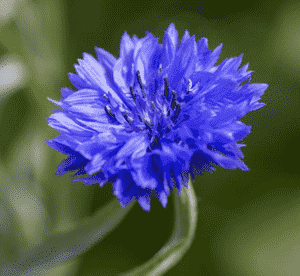
A hardy wild plant featuring abundant blue blossoms, the cornflower flourishes across diverse environments. Consistently remove spent flowers to encourage ongoing flowering. After blooming, reduce stems by one-third. The most effective period for trimming extends from the beginning of spring until late autumn. Trimming improves air movement and the plant's form, deterring mildew in thick clusters. Reducing stem density enables sunlight to penetrate the plant's base, stimulating fresh development and vigorous well-being.
What Are the Benefits of Pruning Cornflower?
What Are the Benefits of Pruning Cornflower?
Trimming cornflower promotes strong development and helps maintain its desired form, ensuring a compact and visually appealing structure. This revitalizes the plant and can lead to more abundant flowering.
What Is the Best Time for Pruning Cornflower?
What Is the Best Time for Pruning Cornflower?
Pruning in early spring aligns with the start of cornflower's growth cycle, allowing for the removal of dead or diseased stems before active growth begins, thus not compromising the plant's vigor. Late fall pruning is beneficial as it helps remove spent flowers and prepares cornflower for dormancy, which can lead to healthier regrowth in the subsequent season. These periods are chosen to avoid cutting during peak flowering times, which would diminish cornflower's blooming potential, and to prevent stressing the plant during extreme summer heat or winter cold. This timing ensures cornflower has the best chance for recovery and robust growth, balancing the plant's health with its aesthetic flowering performance.
What Tools Do I Need to Prune Cornflower?
Hand Pruners
Perfect for cutting stems and deadheading, hand pruners ensure precise cuts without harming cornflower's delicate stems.
Gardening Gloves
Protects gardenerâs hands from thorns and rough plant material while trimming cornflower, also ensuring a firm grip on tools.
Pruning Shears
Ideal for shaping cornflower and removing faded blooms; they offer a clean cut and are easy to handle for refining plant appearance.
Garden Scissors
These are suitable for snipping delicate flowers and thin stems of cornflower, allowing for gentle shaping.
Sharpener
Ensures tools used on cornflower are kept sharp for clean cuts that support the plant's health, reducing the risk of disease.
How to Prune Cornflower
Step1: Tool Preparation
Identify and prepare the tools you will need for trimming cornflower. A pair of clean, sharp secateurs or pruning shears is required to make clean cuts without damaging the plant tissues.
Step2: Dead Flower Identification
Look for faded flowers on cornflower, typically found at the top of the stems. These dead flowers are often discolored and dried out, and they no longer contribute to the plant's aesthetic or health.
Step3: Deadheading Flowers
Carefully snip off the dead flowers with the pruning shears. Make the cuts just above the first set of healthy leaves beneath the flowerhead. This encourages cornflower to produce new blooms.
Step4: Old Stems Examination
Examine cornflower for old stems, which may appear woody, brittle, and lack vigorous foliage or flowers. These stems may be draining energy from the plant and can hinder new growth.
Step5: Pruning Old Stems
Trim the old stems at the base where they emerge from the main clump of growth. Do so at a 45-degree angle to prevent water from accumulating on the cut surface, which can invite disease.
Step6: Shaping the Plant
If reshaping of cornflower is required for aesthetic or space management reasons, selectively trim stems to maintain the desired form. Try to keep the natural shape of cornflower, only removing what is necessary.
Step7: Debris Cleanup
After pruning, clear all the cuttings from around the base of cornflower to discourage pests and disease. Dispose of or compost the debris appropriately.
Step8: Post-Pruning Watering
Water cornflower thoroughly after pruning to help the plant recover and promote new growth. Avoid overwatering which could potentially harm the plant.
Step9: Growth Monitoring
Monitor cornflower after pruning for signs of new growth. Regular deadheading of spent blooms can prolong the flowering period, and annual pruning of old stems can maintain plant health and vigor.
Post-Pruning Care for Cornflower
Post-Pruning Care for Cornflower
Immediately after trimming cornflower, water generously to aid in recovery. Ensure cornflower is placed in a location with ample sunlight, maintain moderate humidity, and avoid temperature extremes. Apply a balanced, slow-release fertilizer to replenish nutrients, encouraging robust growth. To prevent stress and infection, observe cornflower for wilt or discoloration. Should signs of distress appear, adjust care and consult a horticulturist to address potential issues promptly.
Common Pruning Mistakes with Cornflower
Overpruning Reduces Blooming
Excessive pruning, which could lead to a significant reduction in flowering as cornflower produces blooms on the current season's growth.
Dull Tools Damage Plant Stems
Using dull or unclean pruning tools, which can damage stems and potentially introduce diseases to cornflower.
Incorrect Cutting Damages Main Stem
Cutting too close to the main stem, risking damage to the central part of the plant that could inhibit the growth of cornflower.
Failed Deadheading Decreases Blooms
Neglecting to deadhead spent flowers, which can result in a decreased number of blooms and can also lead to self-seeding, if not desired.
Common Pruning Tips for Cornflower
Use Sharp, Clean Shears for Healthy Cuts
Utilize sharp, clean pruning shears to make clean cuts which will help cornflower to heal more quickly and reduce the risk of disease.
Deadheading Encourages More Blooms
Trim cornflower by deadheading, or removing spent blooms, to encourage further flowering and prevent unwanted self-seeding.
Cut Above Leaf Node for New Growth
When reducing the size of cornflower or shaping it, cut above a leaf node or branching point to promote healthy new growth.
Thinning: Don't Exceed One-Third of Plant
When thinning cornflower to improve air circulation, be careful not to remove more than one-third of the plant to avoid unnecessary stress.
Light Post-Bloom Trim Promotes Reblooming
After the main blooming period, lightly trim cornflower to maintain a neat shape and encourage a second wave of blooms.



