How to Prune Chinese hackberry?
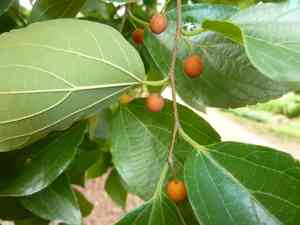
The chinese hackberry, a deciduous tree valued for its leaves and fruit, flourishes with appropriate trimming. Essential methods involve reducing dense branches, eliminating deceased or ailing wood, and forming its structure. The perfect period for pruning is from late winter to early spring prior to bud emergence, fostering robust development. Trimming chinese hackberry improves air movement and light access, crucial for its vitality, and deters potential ailments. Precise cuts that bypass injury to the branch collar guarantee the plant's endurance and visual appeal.
What Are the Benefits of Pruning Chinese Hackberry?
What Are the Benefits of Pruning Chinese Hackberry?
Trimming chinese hackberry promotes vigorous development and maintains a desired shape. Strategic cuts can stimulate new shoots, enhancing plant vitality. This helps chinese hackberry appear neat and well-proportioned in landscape settings.
What Is the Best Time for Pruning Chinese Hackberry?
What Is the Best Time for Pruning Chinese Hackberry?
The optimal periods for pruning chinese hackberry are late winter and early spring. These seasons are ideal because chinese hackberry is dormant during winter, minimizing stress and disease risk from pruning wounds. This timing allows for removal of dead or damaged wood before new growth begins. Pruning before spring growth also helps shape the tree and directs resources to desirable branches, leading to a healthier structure and improved vigor as the growing season progresses. Additionally, since chinese hackberry flowers and fruits on new growth, pruning during these recommended seasons will not negatively impact its flowering or fruiting capabilities. Gardeners should avoid heavy pruning in late spring and summer, as it can be detrimental to the plant's health and growth cycle.
What Tools Do I Need to Prune Chinese Hackberry?
Bypass Pruners
Perfect for making precise cuts on young or green wood of chinese hackberry, causing minimal damage to plant tissues.
Loppers
Ideal for cutting thicker branches of chinese hackberry that are difficult to reach or too large for hand pruners.
Pruning Saw
Useful for removing larger limbs from mature chinese hackberry, allowing for accurate cutting on branches over 2 inches in diameter.
Pole Pruner
Enables safe trimming of chinese hackberry's higher branches from the ground without needing a ladder.
How to Prune Chinese Hackberry
Clean Tools
Before starting, sanitize pruning tools with alcohol or a bleach solution to prevent disease spread to chinese hackberry.
Identify
Examine chinese hackberry closely, targeting dead or diseased branches for removal. Dead branches are typically dry, brittle, and lack green growth, while diseased branches may have discoloration, unusual growths, or visible signs of infection.
Cut Diseased
Use appropriate cutting tools, like secateurs or loppers, to cleanly cut diseased branches well below the infected areas to ensure all diseased tissue is removed from chinese hackberry.
Cut Dead
Remove dead branches by cutting at the base, close to the trunk or main branch, without damaging the collar. This allows chinese hackberry to heal more efficiently and reduces the risk of disease.
Disinfect
After each cut, especially when removing diseased wood, re-sterilize the pruning tools to prevent spreading pathogens to healthy parts of chinese hackberry or other plants.
Common Pruning Mistakes with Chinese Hackberry
Overpruning
Removing too much at once can stress chinese hackberry, potentially stunting its growth or leading to a weak structure.
Uneven Cuts
Chinese hackberry can suffer from diseases or pests if pruning cuts are ragged or uneven, which can create openings for infestations.
Neglecting Tools
Using dull or dirty tools can cause damage to chinese hackberry's branches, introducing diseases and inhibiting healthy regrowth.
Ignoring Shape
Lack of attention to the natural shape of chinese hackberry during pruning can lead to an unsightly appearance and poor structural balance.
Stripping Interior
Removing too many inner branches (thinning) can overly expose the canopy and reduce the overall foliage density, which is not ideal for chinese hackberry.
Common Pruning Tips for Chinese Hackberry
Clean Cuts
Make precise, angled cuts just above buds or branching points to promote healthy regrowth while maintaining the natural form of chinese hackberry.
Corrective Pruning
Focus on removing only dead, diseased, or crossing branches to maintain plant health and improve air circulation.
Tool Maintenance
Ensure pruning tools are sharp and sterilized before use to make precise cuts and prevent the spread of diseases to chinese hackberry.
Structural Pruning
Support the structural integrity of chinese hackberry by selectively pruning to encourage a strong framework, especially when the plant is young.
Balanced Pruning
Aim for a balanced canopy to ensure stability and even growth, which is crucial for the long-term health of chinese hackberry.



