How to Prune Common hackberry?
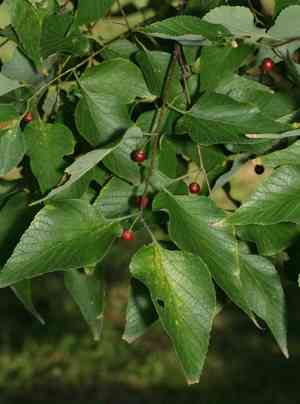
This tree, which sheds its leaves annually, is recognized by its textured bark and spherical crown. For common hackberry, trimming should primarily involve eliminating lifeless or ailing limbs and sculpting for robust architecture. The ideal period is from late winter to early spring, prior to the emergence of fresh foliage. Pruning at this time reduces the outflow of sap and the risk of pathogen infiltration. Key advantages encompass enhanced air movement, greater light exposure, and the cultivation of a sturdy scaffold to endure gusts. Refrain from over-trimming to preserve the common hackberry's inherent silhouette.
What Are the Benefits of Pruning Common Hackberry?
What Are the Benefits of Pruning Common Hackberry?
Trimming common hackberry is essential for robust development and maintaining its form. Thoughtful cuts can enhance sun exposure and air circulation, significantly boosting the plant's vigor and structural soundness.
What Is the Best Time for Pruning Common Hackberry?
What Is the Best Time for Pruning Common Hackberry?
During late winter, common hackberry remains dormant, which minimizes plant stress and reduces sap flow from cuts, leading to less bleeding. This timing allows wounds to heal before spring's growth spurt, preventing diseases and pests from exploiting cuts. Furthermore, the absence of leaves provides a clear view of the plant's structure, simplifying the identification and removal of dead, diseased, or damaged branches. Early spring is also suitable as it aligns with the start of the plant's growth cycle, ensuring rapid healing of pruning wounds and vigorous new growth.
What Tools Do I Need to Prune Common Hackberry?
Hand Pruners
For making clean cuts on smaller branches of common hackberry, up to about 1/2 inch in diameter. Bypass pruners are preferred because they provide a cleaner cut that heals more quickly.
Loppers
Ideal for cutting branches between 1/2 inch and 2 inches in diameter. Loppers come with long handles that provide leverage to cut through thicker branches of common hackberry without causing strain to the user.
Pruning Saw
Necessary for branches over 2 inches in diameter. A pruning saw with a curved blade can make it easier to reach and cut through the larger, mature branches of common hackberry.
Pole Pruner
For reaching higher branches of common hackberry without using a ladder. Equipped with a saw and a lopper head, it can cut through both thin and moderately thick branches from the ground.
Hedge Shears
Not usually recommended for common hackberry, unless shaping hedges or very young plants when a more manicured form is desired. Hedge shears are best for trimming thin shoots and foliage.
How to Prune Common Hackberry
Step1: Timing Selection for Pruning
Choose the appropriate time of year for trimming common hackberry, which is late winter or early spring before new growth begins. This timing helps to prevent disease transmission and ensures quick healing of cuts.
Step2: Tool Sterilization
Sanitize your pruning tools with a solution of 1 part bleach to 9 parts water to prevent the spread of plant diseases. Clean tools between each cut if pruning diseased limbs.
Step3: Dead Wood Removal
Begin by removing dead wood. Cut dead branches back to their point of origin on the trunk or back to a healthy lateral branch. Ensure the cuts are clean and at a slight angle to prevent water accumulation on the wound.
Step4: Diseased Limb Pruning
Identify and prune diseased limbs next. Clip these limbs at least several inches below the affected area to ensure complete removal of the diseased tissue. If the entire limb is affected, prune it back to the branch collar without damaging the collar itself.
Step5: Branch Thinning for Air and Light
Thin out weak branches to improve air circulation and light penetration within the canopy. Remove these branches by cutting them at the point where they join a larger branch or the trunk, making the cut just outside the branch bark ridge and collar.
Step6: Structural Shaping and Sizing
Assess common hackberry's overall shape and structure after removing dead, diseased, and weak branches. Make any additional cuts for shaping or size control with the natural form of common hackberry in mind.
Step7: Three-Cut Method for Large Branches
Make all cuts using the three-cut method for branches larger than one inch in diameter: Make the first cut on the underside of the branch about 6-12 inches away from the trunk, cutting only one-third of the way through the branch. The second cut should be made on the topside of the branch, slightly further out from the first cut, until the branch falls away. The final cut should be made at the branch collar, completing the removal cleanly.
Step8: Post-Pruning Cleanup
After pruning, clean up all debris from the area around common hackberry to prevent the spread of pests or diseases.
Step9: Natural Wound Healing
Do not apply wound dressing or paint to the cuts, as common hackberry is capable of naturally sealing its own wounds. Allow cuts to heal in open air.
Step10: Post-Pruning Plant Care
Water common hackberry appropriately if conditions are dry, and provide mulch around the base to conserve soil moisture and maintain a consistent root environment after pruning.
Post-Pruning Care for Common Hackberry
Post-Pruning Care for Common Hackberry
Immediately after trimming common hackberry, ensure cuts are clean to facilitate healing. Place common hackberry in a spot with appropriate light exposureâpartial to full sun. Maintain moderate humidity and avoid temperature extremes. Post-pruning, apply a balanced fertilizer to aid recovery, but avoid over-fertilization which can lead to excess growth. Regularly check the pruning sites for infection or stress; yellowing leaves or dieback indicate issues. If signs of disease appear, treat promptly with appropriate fungicide or insecticide specific to the symptoms observed.
Common Pruning Mistakes with Common Hackberry
Over-Pruning: Stress and Disease Vulnerability
Excessive pruning, which can stress common hackberry and lead to poor growth or vulnerability to diseases and pests.
Ignoring Plant's Natural Form: Harm and Unnatural Looks
Disregarding the natural shape of common hackberry, resulting in an unnatural appearance and potentially harming the tree's structural integrity.
Unsterilized Tools: Disease Spread Risk
Trimming without sterilizing tools, leading to the spread of diseases between plants.
Flush Cuts: Damaging Branch Collar and Delayed Healing
Making flush cuts against the trunk, which can remove the branch collar and slow down the healing process.
Leaving Stubs: Openings for Pests and Disease
Leaving stubs when cutting branches, which can be an entry point for pests and diseases.
Common Pruning Tips for Common Hackberry
Clean, Sharp Cuts: Healthy Pruning Practices
Use clean, sharp pruning tools to make precise cuts, reducing damage to common hackberry and enhancing quick recovery.
One-Third Rule: Prevent Over-Pruning
Follow the 'one-third' rule, removing no more than one-third of common hackberry's foliage during a single pruning session to avoid over-pruning.
Strategic Pruning: Remove Only Harmful Branches
Prune to maintain or improve the overall structure; focus on removing dead, diseased, or damaged branches as well as any crossing or rubbing branches.
Angled Cuts: Encourage Proper New Growth
Make cuts at a slight angle away from the bud to promote healthy new growth in the desired direction.
Proper Cut Placement: Ensure Quick Healing
Cut just beyond a lateral branch, bud, or the branch collar to facilitate proper healing and prevent the formation of stubs.



