How to Prune Plumed cockscomb?
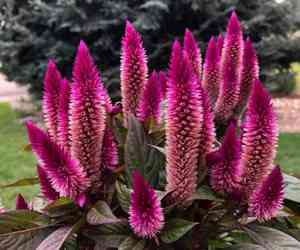
Distinguished by its vibrant floral plumes and delicate leaves, Celosia plumosa thrives with consistent trimming to foster a denser form and extend its flowering period. Essential methods involve removing faded flowers and reducing the plant's stature by up to one-third to stimulate a subsequent bloom. The most effective pruning occurs from early spring through late autumn, coinciding with its active growth phase. This practice not only improves the plant's aesthetic but also deters self-propagation and potential overgrowth.
What Are the Benefits of Pruning Plumed Cockscomb?
What Are the Benefits of Pruning Plumed Cockscomb?
Trimming plumed cockscomb encourages robust development, fostering denser foliage and larger blossoms while maintaining a desired form, reducing elongated stems, and preventing excessive growth that can hinder plant vitality.
What Is the Best Time for Pruning Plumed Cockscomb?
What Is the Best Time for Pruning Plumed Cockscomb?
Pruning in early spring benefits plumed cockscomb by removing frost-damaged leaves and stimulating new growth as the plant exits dormancy. This prepares it for vigorous development and an attractive shape during the growing season. Late fall is also suitable for trimming plumed cockscomb as it begins dormancy. Pruning then helps maintain its shape and prepares it for winter, minimizing disease or pest risks associated with open wounds in humid or wet conditions. Gardeners should avoid pruning plumed cockscomb in mid-summer when it's in full bloom and energy is directed towards flowers and seeds. This ensures the natural flowering cycle isn't disrupted, and the plant remains healthy and strong.
What Tools Do I Need to Prune Plumed Cockscomb?
Hand Pruners
Perfect for precise trimming and shaping of plumed cockscomb, enabling gardeners to easily remove dead or overgrown branches without harming the main structure.
Pruning Shears
Ideal for cutting through the slender stems of plumed cockscomb, ensuring a clean cut that promotes healthy regrowth while preserving the plant's desired form.
Gloves
Safeguard the gardener's hands from thorns and potential skin irritants present in plumed cockscomb's foliage during the pruning process.
How to Prune Plumed Cockscomb
Step1: Identifying Pruning Targets
Determine which parts of plumed cockscomb need pruning. Focus on spent flowers, withered leaves, and elongated stems. Ensure the plant is at the appropriate growth stage for pruning, typically after its blooming period.
Step2: Pruning Tool Preparation
Gather the necessary pruning tools, such as clean, sharp scissors or pruning shears. Sanitize the tools beforehand to prevent disease transmission.
Step3: Dead Flower Removal
Begin with dead flowers. Carefully snip the flower head from the stem just beneath its base, taking care not to damage any new buds forming along the stem.
Step4: Wilted Leaf Trimming
Proceed to remove wilted leaves. Gently detach any discolored or diseased leaves by cutting them at the base of their stem. This improves air circulation and redirects plumed cockscomb's energy to healthier growth.
Step5: Stem Pruning for Bushier Growth
Trim long stems to encourage denser growth and maintain plumed cockscomb's desired shape. Make cuts just above a leaf node or branching point to stimulate new growth.
Step6: Balanced Shaping and Inspection
After trimming the specified parts, carefully examine plumed cockscomb to ensure a balanced shape and that no undesirable portions remain. Remove any additional plant material that may be diseased or damaged.
Step7: Debris Disposal and Disease Prevention
Properly dispose of all removed material to prevent disease spread. Composting is generally suitable unless the material is diseased, in which case it should be discarded separately.
Step8: Post-Pruning Plant Hydration
Water plumed cockscomb adequately after pruning to reduce plant stress and aid in its recovery and new growth development.
Step9: Post-Pruning Monitoring and Care
Observe plumed cockscomb over the subsequent days for signs of stress or illness. Provide additional care, such as fertilizing or adjusting light/water, if necessary.
Post-Pruning Care for Plumed Cockscomb
Post-Pruning Care for Plumed Cockscomb
Immediately after pruning plumed cockscomb, ensure it remains in an environment with ample sunlight, moderate humidity, and stable temperatures conducive to growth. Adjust watering to compensate for reduced foliage and maintain soil moisture without overwatering. Apply a balanced fertilizer to replenish nutrients and enhance recovery. Regularly inspect plumed cockscomb for signs of stress or disease, such as wilting or discolored leaves, and address promptly with appropriate treatment. Consistent monitoring and gentle care will support plumed cockscomb's healthy regrowth.
Common Pruning Mistakes with Plumed Cockscomb
Excessive Removal Damages Plant
Over-pruning plumed cockscomb can lead to reduced flowering and a weakened plant, as removing too much foliage can stress the plant.
Cutting into Lower Woody Stem
Cutting into the woody, non-productive lower stem can damage plumed cockscomb and decrease its ability to produce new growth.
Using Blunt or Dirty Tools
Using blunt or dirty pruning tools can result in jagged cuts and introduce disease to plumed cockscomb, impairing healthy growth.
Failing to Deadhead Spent Blooms
Neglecting to remove spent blooms (deadheading) may result in plumed cockscomb diverting energy into seed production rather than new blooms and foliage.
Pruning Without Clear Goals
Pruning without a clear goal, such as shaping plumed cockscomb for aesthetics or encouraging bushier growth, can lead to undesirable results.
Common Pruning Tips for Plumed Cockscomb
Use Sharp, Clean Pruning Shears
Always use sharp, clean pruning shears to make clean cuts on plumed cockscomb to reduce the chance of disease and damage.
Cut Above Leaf Node for Branching
Prune plumed cockscomb by cutting flower stems just above a leaf node or pair of leaves to encourage branching and thus more flowers.
Deadhead for Continuous Blooming
Regularly deadhead spent flowers of plumed cockscomb to promote continuous blooming throughout the growing season.
Cut Back Overgrown Stems Properly
If plumed cockscomb becomes leggy or overgrown, cut back to a desirable size, leaving several nodes on each stem to allow for new growth.
Natural Shaping with Variant Cuts
When shaping plumed cockscomb, make cuts at different lengths to create a more natural look and avoid a 'crew-cut' appearance.



