How to Prune Floss silk tree?
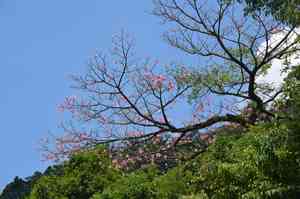
Celebrated for its thorny stem and exquisite pink flowers, the floss silk tree requires careful trimming to preserve its form and vitality. Make sure to use precise cuts when eliminating deceased or ailing wood and to encourage new shoots. Perform pruning in late winter or early spring to boost its blooming capacity. Refrain from over-pruning, as the floss silk tree retains moisture within its trunk. Trimming improves the tree's structural soundness and visual charm, which is crucial for its decorative function.
What Are the Benefits of Pruning Floss Silk Tree?
What Are the Benefits of Pruning Floss Silk Tree?
Trimming floss silk tree promotes robust development and maintains its desired form. Cutting back overgrown limbs revitalizes the tree, ensuring strong health and enhancing its decorative appeal.
What Is the Best Time for Pruning Floss Silk Tree?
What Is the Best Time for Pruning Floss Silk Tree?
Pruning during these periods aligns with floss silk tree's dormant phase, following the last frost but prior to new spring growth. This allows for the removal of any cold-damaged branches and stimulates vigorous new growth. This timing also avoids disrupting the plantâs flowering cycle, as floss silk tree typically blooms on new wood.
What Tools Do I Need to Prune Floss Silk Tree?
Hand Pruners
Perfect for clipping small branches and twigs of floss silk tree up to ¾ inches in diameter. Ensures clean cuts without harming plant tissues.
Loppers
Needed for cutting through thicker branches, typically up to 1 ½ inches in diameter, on floss silk tree. Provides greater leverage and reach than hand pruners.
Pruning Saw
Essential for managing branches exceeding 1 ½ inches in diameter, allowing for precise cuts on the larger limbs of floss silk tree.
Pole Pruner
Recommended for trimming hard-to-reach branches on taller specimens of floss silk tree without needing a ladder.
Chainsaw
Useful for removing very large limbs or cutting down significant portions of floss silk tree for structural pruning or tree removal. Reserved for expert use due to safety concerns.
Safety Gear
Includes gloves, goggles, and potentially a helmet, especially when cutting larger branches, to protect the gardener from injury caused by the thorns of floss silk tree.
How to Prune Floss Silk Tree
Step1: Timing for Bloom-Cycle Pruning
Choose the appropriate time to prune floss silk tree, which is after the tree has finished flowering, generally late winter or early spring. This timing ensures minimal stress on the tree and prevents the removal of emerging flower buds.
Step2: Tool Preparation and Sterilization
Prepare the necessary tools for pruning floss silk tree. Use clean, sharp pruning shears for small branches, loppers for medium-sized branches, and a pruning saw for larger, overgrown branches. Sterilize the tools to prevent the spread of disease.
Step3: Damaged Branch Removal Technique
Begin by removing any damaged stems or branches first. Make cuts at a 45-degree angle about 1/4 inch above a bud or branch that is facing the direction you want new growth to follow. This encourages healthier growth and better healing.
Step4: Deadheading for Enhanced Blooming
Prune spent flowers by cutting the flowering stem back to the base of the plant or to the nearest set of leaves. This deadheading promotes more blooms and maintains the tree's appearance.
Step5: Strategic Overgrowth Management
Address overgrown branches by first identifying and marking the ones that require trimming for shape, clearance, or size control. Remove branches that are crossing, rubbing against each other, or growing inward towards the center of the tree.
Step6: Proper Branch Collar Cutting
Create a clean cut on overgrown branches outside the branch collar, which is the swollen area at the base of the branch. Do not cut the branch collar itself as it is crucial for proper wound healing.
Step7: Natural Shape Preservation
When shaping floss silk tree, maintain its natural form. Avoid over-pruning or topping the tree, which can lead to poor structure and increased vulnerability to pests and diseases.
Step8: Cuttings and Debris Disposal
Dispose of all cuttings and debris to reduce the potential for disease or pest infestation.
Step9: Post-Pruning Care and Maintenance
After pruning, care for floss silk tree by watering it if needed and applying mulch around the base to conserve moisture and suppress weeds. Do not pile the mulch against the trunk, as this can cause rot.
Step10: Health Monitoring and Issue Resolution
Monitor floss silk tree for signs of stress, disease, or unusual growth patterns after pruning and address these issues promptly to maintain the health of the tree.
Post-Pruning Care for Floss Silk Tree
Post-Pruning Care for Floss Silk Tree
Ensure ample light but avoid direct midday sun to prevent stress. Maintain moderate humidity and stable temperatures; drastic changes can hinder recovery. Apply a balanced, slow-release fertilizer to nourish floss silk tree. Regularly inspect for wilting or discoloration indicating stress or infection, and treat promptly with appropriate fungicides or insecticides if needed. Adequate water is crucial, but avoid overwatering which can lead to root issues.
Common Pruning Mistakes with Floss Silk Tree
Unsterilized Tools Spread Disease
Failing to sterilize tools before pruning floss silk tree, which can spread disease to the tree.
Excessive Pruning Stresses Plant
Pruning too much at once, which can stress floss silk tree and lead to poor growth or disease susceptibility.
Improper Cuts Harm Plant Growth
Making improper cuts that leave large stubs, potentially damaging floss silk tree's growth and making it prone to pests and diseases.
Bark Tearing Leads to Infections
Tearing the bark when cutting, as this can create open wounds on floss silk tree that take longer to heal and may invite infections.
Safety Ignored, Thorns Cause Injury
Ignoring safety precautions due to the presence of thorns on floss silk tree, which can result in personal injury and accidental damage to the tree.
Common Pruning Tips for Floss Silk Tree
Clean Cuts with Sharp Tools for Plant Health
Use sharp, clean pruning tools to make clean cuts that will heal quickly, reducing the chance of disease entry in floss silk tree.
Remove Dead or Diseased Branches First
Identify and remove any dead, diseased, or damaged branches first to improve floss silk tree's overall health and appearance.
Proper Cuts Near Branch Collar for Healing
Cut just outside the branch collar without leaving a stub to encourage proper healing and reduce the risk of pest and disease issues for floss silk tree.
Encourage Outward Growth with Directional Pruning
When reducing height or shaping floss silk tree, make sure to cut back to a lateral branch or a bud facing the outside of the tree to encourage outward growth.
Limit Canopy Pruning to 25-30% per Session
For floss silk tree's health and maintenance, limit pruning to the removal of no more than 25-30% of the canopy at any one session.
Wear Protective Clothing Against Thorns
Always wear protective clothing, including gloves and long sleeves, to protect against the thorns of floss silk tree when pruning.
Preserve Natural Shape, Avoid Over-Pruning
Be mindful of the tree's natural shape and avoid over-pruning, which could lead to a weakened structure and reduced flowering in floss silk tree.



