How to Prune Cedar of lebanon?
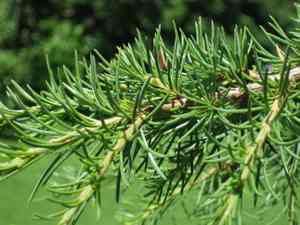
Renowned for its impressive size and persistent greenery, cedar of lebanon thrives with developmental trimming in its early stages to build a robust framework. Regular pruning sessions are best conducted in winter while the tree is inactive, to eliminate any deceased, injured, or intersecting limbs, fostering vigorous development and visual appeal. Reducing the density of the canopy can improve air movement and light exposure. Refrain from extensive cutting, as cedar of lebanon reacts unfavorably, potentially harming its inherent conical form.
What Are the Benefits of Pruning Cedar Of Lebanon?
What Are the Benefits of Pruning Cedar Of Lebanon?
Trimming cedar of lebanon can encourage vigorous new growth, leading to a robust and healthy plant. It also helps maintain its desired form and shape, preventing excessive growth and ensuring the tree complements the landscape's aesthetic.
What Is the Best Time for Pruning Cedar Of Lebanon?
What Is the Best Time for Pruning Cedar Of Lebanon?
Pruning cedar of lebanon from late winter to early spring is optimal, as it ensures that the healing of cuts aligns with the start of new growth, aiding in quicker recovery. Additionally, since the plant is dormant then, there's less risk of sap loss and disease transmission. Pruning at this time also allows gardeners to clearly see cedar of lebanon's structure without leaves, simplifying informed pruning decisions. It avoids cutting new shoots, which could be more detrimental to the plant's health and growth.
What Tools Do I Need to Prune Cedar Of Lebanon?
Hand Pruners
Perfect for making clean cuts on smaller branches, typically under 0.75 inches in diameter, which assists in maintaining cedar of lebanon's shape.
Loppers
Ideal for cutting branches up to 1.5 to 2 inches thick, especially for reaching into the denser parts of cedar of lebanon without harming surrounding foliage.
Pruning Saws
Essential for removing larger branches over 2 inches thick, providing the ability to cut cleanly through thicker material without tearing cedar of lebanon's bark.
Pole Pruners
Useful for trimming higher branches that are out of reach. A pole pruner allows for the safe pruning of cedar of lebanon without needing a ladder.
Hedge Shears
Suitable for shaping and maintaining cedar of lebanon's overall form, especially for trimming the outer edges into a desired aesthetic shape.
Pruning Gloves
Protect hands during the pruning process, due to the sometimes rough bark and needle-like leaves of cedar of lebanon.
How to Prune Cedar Of Lebanon
Clean Tools
Sanitize pruning tools using a solution of one part bleach to nine parts water to prevent the spread of disease.
Inspect Tree
Examine cedar of lebanon for dead or diseased branches, which are typically discolored, dry, and brittle.
Prune Dead Branches
Cut dead branches at the point where they meet healthy wood, making cuts at a slight angle to promote water runoff and prevent rot.
Prune Diseased Branches
Remove diseased branches well below the affected area to eliminate any hidden infection, making sure not to cross-contaminate between cuts.
Cleanup
Collect and dispose of all cuttings and debris to reduce the chance of disease spreading in the garden.
Common Pruning Mistakes with Cedar Of Lebanon
Overpruning
Removing too much foliage from cedar of lebanon can weaken the plant's structure and vitality. Cedar of lebanon should never have more than one-fourth of its living foliage pruned away in a single season.
Improper Cut Locations
Cutting in the wrong place can cause damage to cedar of lebanon. Cuts should be made just above a whorl of branches to encourage proper regrowth and to avoid leaving stubs that can invite pests and diseases.
Snipping The Leader
Cedar of lebanon's central leader (the main upward-growing branch) should not be trimmed as it is essential for maintaining the tree's characteristic shape. Novice gardeners might mistakenly cut this, disrupting the tree's natural form.
Pruning To Sharpen Shape
Cedar of lebanon has a natural, conical shape that doesn't require shaping through pruning. A common oversight is to attempt to 'correct' or sharpen the tree's shape, which often leads to an unnatural appearance and jeopardizes growth.
Ignoring Health Issues
Failing to address diseased, dead, or damaged branches during pruning can lead to further decline in cedar of lebanon's health. These should always be removed to maintain plant vitality.
Common Pruning Tips for Cedar Of Lebanon
Clean And Sharp Tools
Always use clean, sharp pruning tools to make precise cuts on cedar of lebanon. This reduces the risk of introducing diseases and ensures a smooth healing process for the tree.
Cut At A Diagonal Angle
When removing branches, cut at a diagonal angle to prevent water accumulation on the cut surface, which could lead to rot and disease.
Thin Crowded Areas
Thinning out crowded areas can improve light penetration and air circulation within cedar of lebanon, promoting overall plant health and reducing the risk of disease.
Remove Weak Branches
Strategically prune weak or awkwardly angled branches that do not contribute to the structural integrity of cedar of lebanon. This can prevent potential damage in the future due to heavy snow or wind.
Follow Natural Shape
Prune cedar of lebanon in a way that follows its natural growth pattern. Any pruning should be subtle and maintain the tree's natural outline rather than drastically changing its form.
Early Intervention
Cedar of lebanon should be pruned early in its life to establish a strong structure. Correcting problems in young trees is easier and less stressful for the tree than trying to correct them once they are mature.



