How to Prune Atlas cedar?
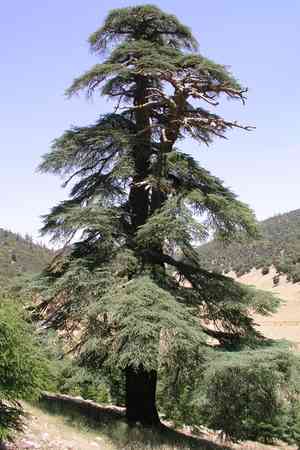
This evergreen conifer is recognized for its conical form and bluish-green foliage. When trimming Atlas Cedar, concentrate on eliminating deceased or compromised limbs and sculpting for visual appeal or structural integrity. Perform pruning during its dormant period in winter to lessen sap leakage and strain on the tree. Refrain from severe cutting, as Atlas Cedar does not easily generate fresh shoots from mature wood. Trimming improves air movement, lowers the chance of illness, and preserves the intended shape.
What Are the Benefits of Pruning Atlas Cedar?
What Are the Benefits of Pruning Atlas Cedar?
Trimming atlas cedar promotes robust development and preserves its desired form. Prompt removal of dead or overgrown limbs ensures a strong framework, fostering a healthier, more attractive tree.
What Is the Best Time for Pruning Atlas Cedar?
What Is the Best Time for Pruning Atlas Cedar?
Trimming atlas cedar in late winter to early spring, prior to new growth, allows the plant to recover from cuts without frost damage to new tissues. This timing helps maintain the plant's shape, manage its size, and eliminate dead or damaged branches, which can help prevent disease and insect issues. Additionally, since atlas cedar is dormant then, pruning causes minimal plant stress. Avoid fall pruning as it can stimulate new growth that may not survive winter temperatures.
What Tools Do I Need to Prune Atlas Cedar?
Hand Pruners
Perfect for cutting small branches and twigs of atlas cedar, ensuring clean cuts and minimizing harm.
Lopping Shears
Essential for cutting larger branches that hand pruners cannot manage, providing necessary leverage.
Pruning Saw
Used for even larger branches on mature atlas cedar trees, offering the required cutting power for thick limbs.
Hedge Shears
Useful for shaping atlas cedar's foliage, especially if maintaining a hedge or formal design.
Pole Pruner
Allows reaching higher branches without a ladder, ensuring safety while trimming atlas cedar.
How to Prune Atlas Cedar
Identify
Examine atlas cedar thoroughly to locate dead or diseased branches, which may appear discolored, shriveled, or show signs of fungal infection or insect damage.
Sanitize
Disinfect your pruning tools with isopropyl alcohol or a 10% bleach solution to prevent disease spread while trimming atlas cedar.
Cut
Make clean cuts to remove dead or diseased branches of atlas cedar, using sharp, appropriately sized pruning shears or a saw. Cut just outside the branch collar without damaging it to encourage proper healing.
Dispose
Discard the removed branches from atlas cedar away from healthy vegetation to prevent any potential disease spread.
Inspect Again
Re-examine atlas cedar after trimming to ensure all problematic branches were removed and the tree's structure appears healthy and well-balanced.
Common Pruning Mistakes with Atlas Cedar
Overpruning
Removing too much foliage can stress atlas cedar, hindering its growth and health. They handle pruning well but do not require severe cutting back.
Flush Cuts
Cutting branches flush against the trunk can damage atlas cedar's bark and vital trunk tissues, leading to disease entry and pest infestation.
Pruning Live Growth Excessively
Atlas cedar should not have large proportions of live growth removed, as this can lead to weak new growth and destabilize the plant's natural shape.
Neglecting Tool Sanitation
Using unsanitized tools can spread diseases between plants. It is vital to clean and disinfect all pruning tools before and after use on atlas cedar.
Improper Cut Placement
Making incorrect cuts can lead to water sprouts and weakly attached branches. It's important to know where and how to make cuts on atlas cedar.
Ignoring Deadwood
Failing to regularly remove dead or dying wood can cause atlas cedar to become unsightly and more prone to disease and pests.
Common Pruning Tips for Atlas Cedar
Cutting Technique
Make cuts at a slight angle, away from the bud, to avoid water accumulation and promote healing.
Deadwood Removal
Regularly remove any dead or dying branches to maintain atlas cedar's health and appearance. Cut back to live wood to facilitate proper healing.
Natural Shape Maintenance
Prune with the goal of maintaining atlas cedar's natural pyramidal shape, respecting its growth pattern and avoiding unnecessary topping.
Thinning Cuts
Use thinning cuts rather than heading back branches to preserve atlas cedar's structural integrity and aesthetic form.
Wound Care
Apply proper wound care, if necessary, to large cuts to prevent disease entry, but avoid covering small cuts with wound dressings, as they heal better naturally.
Gradual Pruning
Spread pruning activities over several seasons if extensive work is needed, allowing atlas cedar to recover and reducing the stress incurred by heavy pruning.



