How to Prune Snowbrush ceanothus?
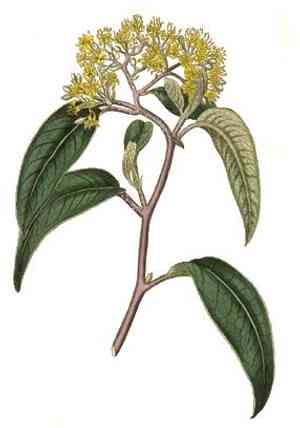
Ceanothus velutinus, a compact, perennial shrub featuring lustrous leaves, needs very little trimming. It is most effectively pruned in the colder months to sculpt or control its dimensions, and to eliminate any lifeless or compromised branches. Strategic thinning cuts boost air movement, thereby improving the plant's well-being. Excessive pruning ought to be prevented to safeguard its inherent structure. Trimming encourages fresh development, leading to a more vibrant look.
What Are the Benefits of Pruning Snowbrush Ceanothus?
What Are the Benefits of Pruning Snowbrush Ceanothus?
Trimming snowbrush ceanothus ensures it keeps a manageable size and desired shape, contributing to vigorous development. Strategic cuts can stimulate snowbrush ceanothus's growth patterns, fostering a more robust and visually appealing plant.
What Is the Best Time for Pruning Snowbrush Ceanothus?
What Is the Best Time for Pruning Snowbrush Ceanothus?
The optimal period for trimming snowbrush ceanothus is late winter, prior to the start of the spring growth surge. During this time, the plant remains dormant, which reduces stress and allows for better recovery of pruning wounds. Late winter pruning aids in maintaining the health and structure of snowbrush ceanothus by removing dead or diseased wood, shaping the plant for the upcoming growing season, and enhancing air circulation. This timing also avoids disrupting the spring and summer flowering cycle, as snowbrush ceanothus blooms on new wood. Pruning after the flowers have faded could diminish the plantâs blooming potential in the subsequent year.
What Tools Do I Need to Prune Snowbrush Ceanothus?
Hand Pruners
Crucial for detailed trimming of snowbrush ceanothus, hand pruners enable gardeners to make accurate cuts on smaller branches, typically up to 1/2 inch in diameter. They are perfect for shaping and removing dead or diseased wood without harming the plant.
Loppers
Excellent for cutting through thicker branches, up to 1 1/2 inches in diameter, that hand pruners cannot manage. Loppers offer leverage and reach, making them suitable for snowbrush ceanothus's more substantial stems and for maintaining the plantâs framework.
Pruning Saw
Essential for removing mature wood or larger branches exceeding 1 1/2 inches in diameter. A pruning saw helps manage snowbrush ceanothus's more significant growth without tearing or damaging the plant.
Shears
Useful for trimming softer, leafy parts of snowbrush ceanothus and shaping the outer foliage. Shears provide a neat, even cut, ideal for hedge-like upkeep of the plant.
Gloves
Protect the gardenerâs hands from scratches and sap while working on snowbrush ceanothus. They ensure safety when handling potentially sharp tools and the plant itself.
How to Prune Snowbrush Ceanothus
Disinfect tools
Before trimming snowbrush ceanothus, sanitize your pruning tools using a solution of 1 part bleach to 9 parts water or rubbing alcohol to prevent the spread of diseases.
Remove dead branches
Identify and carefully remove dead branches from snowbrush ceanothus by cutting them at their point of origin using sharp, clean pruning shears, which encourages healthy growth and improves air circulation.
Eliminate diseased branches
Cut away any diseased branches from snowbrush ceanothus as soon as they're noticed, making the cut well below the affected area to ensure all diseased tissue is removed. Dispose of these branches properly to prevent contamination.
Clean up
After pruning snowbrush ceanothus, clear away all removed debris from the base of the plant to discourage the presence of pests and diseases that thrive on decaying plant material.
Monitor plant health
Regularly inspect snowbrush ceanothus for additional dead or diseased branches, especially after periods of stress or inclement weather, and repeat pruning as necessary to maintain plant health and vitality.
Common Pruning Mistakes with Snowbrush Ceanothus
Over-pruning
Removing too much growth in a single pruning session can stress snowbrush ceanothus, potentially leading to a weakened plant that is susceptible to pests and diseases.
Improper cuts
Incorrect cutting techniques can result in jagged wounds that do not heal properly, making snowbrush ceanothus more vulnerable to infections.
Neglecting tool hygiene
Using unclean pruning tools can introduce diseases to snowbrush ceanothus from previously pruned plants.
Not considering growth habit
Failing to acknowledge the natural shape and growth pattern of snowbrush ceanothus can result in an unnatural appearance and poor plant health.
Ignoring dead or diseased wood
Forgetting to remove dead or diseased branches can impede snowbrush ceanothus's growth and leave it more susceptible to further disease and insect damage.
Common Pruning Tips for Snowbrush Ceanothus
Selective thinning
Remove selective branches to enhance light penetration and airflow within snowbrush ceanothus while maintaining its natural shape.
Clean cuts
Make precise, angled cuts just above a bud or branching point to promote quick healing and minimize the risk of disease.
Sterilize tools
Clean pruning tools before and after use to prevent the spread of pathogens to or from snowbrush ceanothus.
Gradual rejuvenation
For older snowbrush ceanothus shrubs, practice gradual rejuvenation pruning over several seasons rather than a severe one-time cutback.
Maintain plant health
Regularly inspect and prune away any dead, damaged, or diseased wood from snowbrush ceanothus to preserve its vitality and appearance.



