How to Prune Blueblossom?
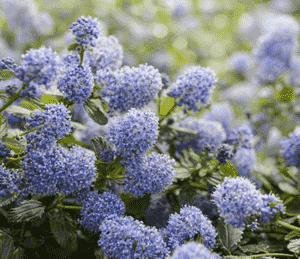
This perennial woody plant, recognized for its abundant leaves and vivid azure blossoms, flourishes with little upkeep yet gains from deliberate trimming. For blueblossom, perform pruning right after its flowering period in late spring or early summer to sculpt the specimen and foster denser development. Eliminate deceased or intersecting limbs and reduce older stalks to enhance air movement. Trimming incites fresh development, extending the longevity and aesthetic charm of blueblossom. Refrain from severe cutting to avert harm to the plant's framework.
What Are the Benefits of Pruning Blueblossom?
What Are the Benefits of Pruning Blueblossom?
Trimming blueblossom promotes more abundant blooms and helps deter pest issues and illnesses, ultimately leading to a robust and visually appealing plant.
What Is the Best Time for Pruning Blueblossom?
What Is the Best Time for Pruning Blueblossom?
These periods are considered ideal as they coincide with blueblossom's post-flowering phase, which typically occurs in spring. Pruning immediately after blooming minimizes disruption to the growth cycle, allowing the plant to direct energy towards new development and recovery. Late spring and early summer trimming also provide blueblossom sufficient time to heal before winter, reducing disease and stress risks. Furthermore, this timing avoids cutting off developing buds that will become next season's flowers, thus ensuring a vibrant display of blossoms the following year.
What Tools Do I Need to Prune Blueblossom?
Hand Pruners
For trimming smaller stems, typically under 1/2 inch in diameter, hand pruners or secateurs are perfect. They enable precise cuts, causing minimal harm to the remaining blueblossom foliage and branches.
Loppers
When dealing with branches up to approximately 1 1/2 inches thick, loppers are the preferred tool. They offer the necessary leverage for clean cuts without straining the gardener's hands and assist in shaping blueblossom effectively.
Pruning Saw
For the thickest blueblossom branches that exceed loppers' capacity, a pruning saw is essential. This allows for cutting branches over 1 1/2 inches thick and should be used carefully to ensure clean cuts for healthy regrowth.
Hedge Shears
These are utilized for shaping blueblossom when numerous small branches and shoots need simultaneous trimming. They help maintain a consistent form, especially for blueblossom hedges or borders.
Pole Pruner
To reach higher branches without a ladder, a pole pruner can be advantageous. It is practical for maintaining blueblossom that has grown beyond the gardener's reach.
Gloves
Hand protection for the gardener is crucial when pruning blueblossom; durable gloves can help prevent scrapes and cuts from both tools and the plants themselves.
Cleaning Supplies
It is vital to have supplies for cleaning and disinfecting pruning tools between uses to prevent disease spread. Wiping blades with alcohol or a bleach solution helps maintain blueblossom's health.
How to Prune Blueblossom
Step1: Timing Pruning for Seasonal Growth
Wait for the appropriate season to prune blueblossom, typically late winter to early spring before new growth starts, so the plant has time to recover and allocate energy to new, healthy development.
Step2: Sanitize Tools to Prevent Disease
Disinfect your pruning tools with rubbing alcohol or a 10% bleach solution to prevent the spread of disease when cutting blueblossom.
Step3: Inspect for Dead Twigs
Examine blueblossom for dead twigs. Dead material often appears dry, brittle, and may differ in color from live growth. Gently bend a suspicious twig; dead twigs will snap rather than flex.
Step4: Cut Back Dead Twigs at Healthy Wood
Trim dead twigs by cutting them back to the point of healthy wood, which might be indicated by a color change or the presence of a live bud. Make your cut at a 45-degree angle, approximately 1/4 inch above a bud or branching point.
Step5: Remove Diseased Wood
Identify and eliminate diseased wood, which may exhibit signs of discoloration, fungal growth, or unusual textures. Cut back to healthy tissue, ensuring all affected material has been removed.
Step6: Prune Spent Blooms for Reblooming
Locate old blooms and trim them just above the first set of leaves beneath the faded flower to promote a neat appearance and potentially encourage a second bloom.
Step7: Thin for Light and Air Circulation
Shape blueblossom by thinning out congested areas to allow light and air circulation, which can help reduce disease risk. Avoid cutting into thick, woody stems, as blueblossom can be slow to recover from severe pruning.
Step8: Clean Up Pruning Debris
Clear away all cuttings from around blueblossom to lessen the likelihood of disease and deter pests.
Step9: Water Plant Post-Pruning
Water blueblossom thoroughly after pruning to help reduce plant stress and aid in the recovery process.
Step10: Monitor for New Growth Annually
Monitor blueblossom for signs of new growth and plan to prune annually for the plant's health and vigor, following the same steps each time to maintain its shape and well-being.
Post-Pruning Care for Blueblossom
Post-Pruning Care for Blueblossom
After trimming blueblossom, water immediately to ease stress. Maintain partial sun exposure and shield from extreme temperature shifts. Ensure humidity levels support recovery but avoid overly wet conditions. Post-pruning, postpone fertilization for 4 weeks, then provide a balanced feed. Observe blueblossom for wilting leaves or sap leakage as indicators of stress or infection. If present, reduce sun exposure and improve air circulation. Regularly check for pests, treating them promptly if detected.
Common Pruning Mistakes with Blueblossom
Avoid Pruning Into Old Wood
Cutting into old wood: blueblossom has the capacity to regenerate from old wood, but excessive pruning can stress the plant, leading to poor regrowth or a failure to bloom.
Be Cautious of Over-Pruning
Over-pruning: Removing too much foliage at once can weaken blueblossom, as it relies on its leaves for photosynthesis and overall energy production.
Use Sharp Pruning Tools
Using dull tools: Blunt pruning tools can cause jagged cuts that may harm blueblossom, potentially leading to disease or pest infestations.
Don't Top Plants Uniformly
Topping: Cutting blueblossom back to a uniform height, or 'topping', can result in a loss of the plant's natural form and reduced flowering.
Prune Branches Varied Lengths
Pruning all branches to the same length: This can lead to a less natural-looking shape and may not encourage the desired growth patterns in blueblossom.
Clean Tools to Prevent Disease
Neglecting sanitation: Failing to clean pruning tools before and after use can spread disease between plants, impacting blueblossom's health.
Common Pruning Tips for Blueblossom
Focus on Dead or Damaged Branches
Prune for shape and health: Prioritize removing dead, damaged, or diseased branches first, then perform light shaping to maintain blueblossom's natural form.
Prune Above Leaves to Encourage Growth
Encourage new growth: Cut just above a set of leaves or a bud to promote branching, which can result in a fuller plant and more flowers.
Ensure Clean Cuts with Sharp Tools
Use sharp tools: Always use sharp, clean pruning shears to make precise cuts that blueblossom can quickly recover from.
Thin Out Branches for Light and Air
Thinning out: Instead of shearing, thin out some branches to allow light and air to reach blueblossom's interior, encouraging healthy growth.
Retain Mature Branches for Blooms
Retain some older branches: Since blueblossom flowers on old wood, keep some mature branches to ensure flowering the following season.
Disinfect Tools Between Plants
Disinfect tools: To prevent disease spread, disinfect pruning tools before moving from one plant to another, especially when working with blueblossom.



