How to Prune Redstem ceanothus?
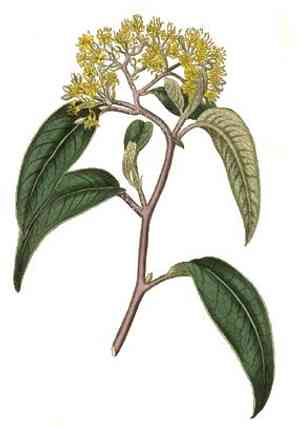
A distinctive characteristic of redstem ceanothus is its vivid crimson stems and thick leaves. To achieve peak development, trim redstem ceanothus in the latter part of winter or early spring, prior to the emergence of fresh shoots. Trimming fosters more compact foliage and controls its form. Reduce older stems by as much as one-third to encourage revitalization and enhance air movement. This precise trimming not only boosts its visual attractiveness but also strengthens the plant's well-being by lowering the chance of illness.
What Are the Benefits of Pruning Redstem Ceanothus?
What Are the Benefits of Pruning Redstem Ceanothus?
Trimming redstem ceanothus promotes robust development and maintains a compact, visually appealing form. Regular cutting back helps revitalize the plant, leading to healthier, denser foliage and enhanced overall vigor.
What Is the Best Time for Pruning Redstem Ceanothus?
What Is the Best Time for Pruning Redstem Ceanothus?
Pruning redstem ceanothus in late winter or early spring is optimal, as it coincides with the plant's dormant period, just before new growth emerges. This timing encourages strong new growth in spring and allows the plant to recover from cuts without the metabolic strain experienced during the active growing season. Furthermore, since redstem ceanothus flowers on new wood, trimming at this time ensures maximum blooming potential and helps the plant maintain a vigorous, healthy structure without compromising its floral display.
What Tools Do I Need to Prune Redstem Ceanothus?
Bypass Pruners
Perfect for making precise cuts on living branches of redstem ceanothus, bypass pruners minimize damage to plant tissues, fostering healthier regrowth.
Lopping Shears
Suitable for cutting thicker branches common as redstem ceanothus matures. These shears offer the necessary leverage and reach for effective pruning without straining the gardener.
Pruning Saw
Crucial for removing mature, thick branches that loppers cannot manage. A pruning saw simplifies handling the dense growth sometimes seen in redstem ceanothus.
Hand Shears
Excellent for shaping and managing the size of redstem ceanothus, especially during its active growth phase, to maintain an attractive appearance and encourage blooming.
How to Prune Redstem Ceanothus
Inspect
Carefully examine redstem ceanothus for any diseased leaves, dead branches, or withered foliage. Focus on identifying all unhealthy parts that require removal.
Disinfect
Before starting to prune, sanitize all pruning tools. This prevents the spread of disease from infected plant parts to healthy ones. Use a solution of 1 part bleach to 9 parts water or 70% isopropyl alcohol to clean the tools.
Cut back diseased and dead parts
Use clean, sharp pruning shears to remove any diseased leaves, diseased branches, dead branches, and withered leaves. Make clean cuts close to the main stem or the nearest healthy branch, ensuring not to tear the bark or leave jagged edges.
Thinning
Thin out the center of redstem ceanothus to enhance air circulation and light penetration. Carefully remove some older branches from the center by cutting them at their base. Avoid excessive thinning to preserve the natural shape of redstem ceanothus.
Cleanup
After pruning, clear away all removed plant parts from the ground to prevent them from harboring pests or diseases. Dispose of diseased material properly, avoiding composting if it could spread pathogens.
Common Pruning Mistakes with Redstem Ceanothus
Over-pruning
Removing too much growth at once can stress redstem ceanothus, hindering its ability to thrive and properly photosynthesize.
Improper cut placement
Cuts should be made at the correct location to prevent damage. Incorrectly placed cuts can lead to diseases and affect the plant's structure.
Pruning during vulnerable periods
Though specific seasonal timing has been excluded, it's a common mistake to prune when the plant is in a vulnerable state, affecting its health.
Neglecting tool hygiene
Using dirty pruning equipment can introduce pathogens to redstem ceanothus, leading to infections and diseases.
Ignoring plant shape and natural growth
Failing to consider the natural habit of redstem ceanothus can lead to a loss of plant character and potentially impact flowering.
Common Pruning Tips for Redstem Ceanothus
Sharp and clean tools
Always use sharp and sanitized pruning tools to make clean cuts that heal quickly, preventing disease.
Selective thinning
Focus on thinning out older, non-productive stems to encourage new growth and improve air circulation within redstem ceanothus.
Pruning for shape
Maintain the natural shape of redstem ceanothus while removing any crossed or rubbing branches that could cause wounds and invite disease.
Encourage new flowering shoots
By moderately pruning, you can stimulate redstem ceanothus to produce new shoots that will potentially bear flowers.
Conservative approach
Adopt a gradual approach to pruning, removing no more than a third of the overall growth in a single session to minimize stress on redstem ceanothus.



