How to Prune Thorny bone-apple?
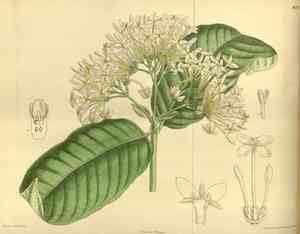
This robust woody plant, distinguished by its prickly stems and diminutive white blossoms, flourishes with proper trimming. For thorny bone-apple, it is crucial to undertake pruning during the winter season when the plant is inactive. Focus on removing lifeless or ailing wood and shorten excessively long branches to preserve its form and foster vigorous development. Pruning not only revitalizes thorny bone-apple but also stimulates abundant blooming, as it encourages fresh shoots where flowers can emerge. Employ sanitized, keen implements to execute accurate incisions, thereby preventing undue strain on the plant.
Advantages of Trimming Thorny Bone-apple
Advantages of Trimming Thorny Bone-apple
Trimming thorny bone-apple promotes vigorous development and maintains its form, preventing excessive growth and enhancing air circulation, which is crucial for minimizing disease risk and pest infestations, thereby ensuring a healthy and attractive shrub.
Optimal Time for Trimming Thorny Bone-apple
Optimal Time for Trimming Thorny Bone-apple
Trimming or cutting thorny bone-apple in late winter is advantageous as it typically marks the end of the dormant phase for many plants. During this period, thorny bone-apple would have finished its yearly growth cycle and has yet to commence its new growth spurt. This allows for easier visualization of the plant's structure without leaves obstructing branches, enabling more accurate pruning. Furthermore, cutting back at this time helps prevent diseases from entering pruning wounds, as many pathogens are less active in colder weather. It also reduces stress on thorny bone-apple and supports robust growth in the upcoming spring. Since thorny bone-apple may bloom or bear fruit later in the year, late winter pruning ensures that flowering and fruiting are not negatively impacted.
Required Tools for Trimming Thorny Bone-apple
Hand Pruners
Perfect for making accurate cuts on thorny bone-apple's smaller branches and stems due to their ability to deliver a clean and precise cut, which is vital for the plant's well-being.
Loppers
Essential for reaching higher branches or for cutting through thicker branches of thorny bone-apple, as they offer leverage and good control.
Pruning Saw
Useful for cutting through the more mature and thicker branches of thorny bone-apple that hand pruners or loppers cannot manage, ensuring clean cuts without tearing the bark.
Gloves
Recommended to safeguard hands from thorny bone-apple's thorns during trimming.
Safety Glasses
Important for protecting eyes from any potential harm, such as debris or thorns that might spring back when cutting branches of thorny bone-apple.
How to Trim Thorny Bone-apple
Clean tools
Before trimming thorny bone-apple, ensure all pruning tools are clean and sharp to prevent disease spread and make precise cuts.
Identify
Carefully inspect thorny bone-apple to locate dead and diseased branches. Look for branches that are brittle, lack green growth, or show signs of infection like unusual discoloration or lesions.
Sanitize
Apply a solution of 1 part bleach to 9 parts water to disinfect the blades of pruning shears between cuts if diseased branches are being removed to prevent transmitting pathogens to healthy parts of thorny bone-apple.
Cut dead branches
Using the pruning shears, make clean cuts to remove dead branches from thorny bone-apple. Cut at a 45-degree angle about a quarter-inch above a healthy bud or branch to encourage better healing and new growth.
Cut diseased branches
Trim diseased branches from thorny bone-apple by cutting them back to a healthy section, well below any sign of disease. Dispose of these branches properly to prevent disease spread.
Common Trimming Errors with Thorny Bone-apple
Excessive pruning
Removing too much foliage at once can shock thorny bone-apple, potentially leading to stunted growth or even plant demise.
Incorrect cuts
Cutting too close to the main stem or leaving too much of a stub can create entry points for pests and diseases, hindering the health of thorny bone-apple.
Using dull tools
Dull pruning tools can cause jagged cuts that heal poorly, increasing susceptibility to disease for thorny bone-apple.
Ignoring plant shape
Trimming without considering the natural form of thorny bone-apple can result in an unbalanced and weakened structure, impacting plant aesthetics and health.
Neglecting hygiene
Not sanitizing tools between cuts and plants can spread disease from infected parts of thorny bone-apple to healthy ones, or even between different plants.
General Trimming Advice for Thorny Bone-apple
Tool selection
Use sharp, clean pruning shears or loppers to make clean, precise cuts on thorny bone-apple for healthy regrowth.
Cutting technique
Angled cuts should be made just above the leaf nodes or branching points, promoting healthy regrowth and maintaining the shape of thorny bone-apple.
Conservative approach
Begin with light trimming, removing dead or diseased branches first, and then assess if thorny bone-apple requires additional thinning or shaping.
Plant health assessment
Regularly inspect thorny bone-apple to identify areas needing attention, such as overcrowded or crossing branches, and prioritize those in the trimming process.
Recovering growth
After trimming, monitor thorny bone-apple for new growth to ensure the plant is recovering well, and adjust future trimming practices based on observations.



