How to Prune spotted catasetum?
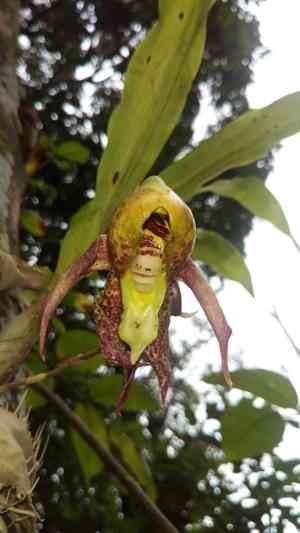
The spotted catasetum, recognized for its vivid, mottled blossoms, thrives with deliberate trimming to foster vigorous development. The ideal period for this maintenance is in early spring or late winter, coinciding with the spotted catasetum's inherent growth pattern. Eliminate any deceased or ailing pseudobulbs and cut back faded flower stalks to their origin. This practice not only improves its aesthetic but also diverts vitality towards fresh development. Regular trimming diminishes the likelihood of illness and encourages abundant flowering in the subsequent period.
What Are the Benefits of Pruning Spotted Catasetum?
What Are the Benefits of Pruning Spotted Catasetum?
Trimming spotted catasetum encourages robust development and maintains its form. Appropriate trimming fosters vigorous growth, boosts flowering, manages plant dimensions, enhances aesthetic appeal, and strengthens resistance to pests and diseases.
What Is the Best Time for Pruning Spotted Catasetum?
What Is the Best Time for Pruning Spotted Catasetum?
Spotted catasetum should be trimmed in early spring or late winter to align with its natural growth cycle. Pruning during these periods helps avoid disrupting spotted catasetum's blooming phase and ensures the plant is not actively growing, which minimizes stress. Additionally, in late winter and early spring, the plant is less likely to contract diseases or infections through pruning cuts, as cold weather inhibits pathogen growth. These seasons offer the ideal balance, preparing the plant for vigorous growth and a healthy blooming phase in subsequent months.
What Tools Do I Need to Prune Spotted Catasetum?
Sharp, clean scissors
Perfect for making precise cuts on the fleshy and delicate parts of spotted catasetum. Disinfect them before use to prevent infections.
Sterilized razor blade
Required for more meticulous cuts, especially around the pseudobulbs, leaves, and roots of spotted catasetum.
Small pruning shears
Useful for trimming thicker roots and older, dried-out pseudobulbs. Ensure they are sharp to avoid crushing plant tissue.
Rubbing alcohol or bleach solution
Crucial for sterilizing tools between cuts to prevent disease transmission.
How to Prune Spotted Catasetum
Inspect
Examine spotted catasetum carefully to identify diseased or withered leaves that need to be removed.
Sterilize
Use clean, sharp pruning shears and sterilize them with rubbing alcohol to prevent the spread of disease.
Remove Diseased Leaves
Trim any diseased leaves at their base, cutting as close to the pseudobulb as possible without damaging it.
Remove Withered Leaves
Cut away withered leaves by making a clean cut at the leaf base, ensuring no remnants are left that could harbor pests or disease.
Dispose
Properly dispose of all removed plant material by discarding it away from other plants to minimize the risk of spreading disease.
Common Pruning Mistakes with Spotted Catasetum
Incorrect Tool Usage
Using dull or unsuitable tools can cause jagged cuts, increasing the risk of infection and damage to spotted catasetum. It's crucial to use sharp, sterile pruning shears.
Over-Pruning
Removing too many leaves and stems can weaken spotted catasetum and hinder its ability to photosynthesize, ultimately affecting growth and blooming cycles.
Pruning at Wrong Angles
Cutting at awkward angles can damage tissues and create wounds that are slow to heal. Always aim for clean cuts at the internodal area to facilitate quicker recovery.
Pruning Healthy Bulbs
Accidentally trimming healthy pseudobulbs or new growth points can significantly harm spotted catasetum, slowing down its development and potential to bloom.
Common Pruning Tips for Spotted Catasetum
Tool Preparation
Ensure your pruning tools are clean, sharp, and sterilized before starting. This helps in making precise cuts and preventing the spread of disease.
Minimal Pruning
Focus on removing only dead, damaged, or diseased parts of spotted catasetum to maintain its health. Leave healthy bulbs and leaves untouched unless necessary.
Cutting Technique
Trim just above the internodal line to promote healthy healing and avoid unnecessary damage to the plant tissues. Make sure cuts are clean and angled slightly downwards to prevent water accumulation.
Observation First
Before making any cuts, spend time observing spotted catasetum to identify which parts truly need pruning. Look out for any signs of disease or pest infestation and address those areas specifically.



