How to Prune Northern catalpa?
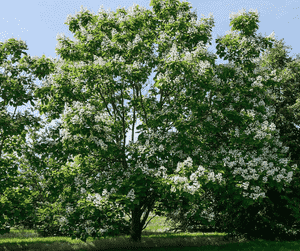
Catalpa speciosa, recognized for its expansive cordate foliage and prominent white blossoms, flourishes with appropriate trimming. Eliminate deceased or fractured boughs, reduce crowded branches, and sculpt the crown for vitality and visual appeal. Perform pruning in late winter or early spring prior to foliation. This minimizes strain and encourages robust development. Thinning diminishes wind impact, decreases the likelihood of breakage, and improves air circulation, deterring ailments. Restrict pruning to a quarter of the canopy to prevent trauma.
What Are the Benefits of Pruning Northern Catalpa?
What Are the Benefits of Pruning Northern Catalpa?
Trimming northern catalpa promotes robust development and enables the gardener to preserve its unique form. Strategic cuts help stimulate new growth, enhance aesthetic appeal, and prevent the tree from becoming unwieldy or dangerous.
What Is the Best Time for Pruning Northern Catalpa?
What Is the Best Time for Pruning Northern Catalpa?
These periods are optimal as northern catalpa is dormant, minimizing stress and the risk of disease transmission through cuts. Pruning before spring growth allows northern catalpa to heal quickly and direct energy into producing new foliage and blooms. Additionally, the absence of leaves during this time offers better visibility to assess the plant's structure and make precise cuts.
What Tools Do I Need to Prune Northern Catalpa?
Hand Pruners
Perfect for trimming small branches (up to 3/4 inch in diameter) of northern catalpa. They facilitate clean, accurate cuts without causing unnecessary harm to the plant.
Loppers
Suitable for cutting medium-sized branches (up to 1 1/2 inches in diameter) of northern catalpa. Their long handles provide leverage for easier cutting and reaching higher branches.
Pruning Saw
Essential for removing larger branches (over 1 1/2 inches in diameter) of northern catalpa. A pruning saw can manage thicker growth that hand pruners and loppers cannot.
Pole Pruner
Useful for reaching and safely cutting high branches of northern catalpa without needing a ladder. The pole allows for pruning higher in the tree canopy.
Gardening Gloves
Protective gear to ensure the gardener's safety from scratches and sap when pruning northern catalpa.
Eye Protection
To shield the gardenerâs eyes from potential hazards like falling debris and dust during the pruning of northern catalpa.
How to Prune Northern Catalpa
Step1: Timing for Pruning
Determine the ideal time to prune northern catalpa, which is late winter or early spring before new growth begins. Pruning at this time minimizes sap loss and allows for more accurate assessment of which parts to trim.
Step2: Tool Sanitization
Clean and disinfect pruning tools to prevent the spread of disease. Use a 10% bleach solution or alcohol to wipe the blades.
Step3: Deadwood Identification
Inspect northern catalpa for dead wood, which often appears dry, brittle, and potentially darker than healthy limbs. Deadwood wonât have any green under the bark when lightly scratched.
Step4: Dead Branch Removal
Using sharp, clean pruning shears or a saw, remove dead wood by cutting at the base of the dead branch. Make cuts just outside the branch collar, the swelling where the branch meets the trunk, to promote proper healing.
Step5: Diseased Limb Removal
Locate and assess limbs showing signs of disease, which might include unusual coloration, growths, or oozing. Use a clean cut to remove diseased limbs, ensuring to cut well below the affected area to remove all diseased tissue.
Step6: Broken Branch Pruning
Identify broken branches, which may be hanging loosely or at unnatural angles. Prune these branches back to the nearest healthy lateral branch or to the main trunk, cutting just outside the branch collar.
Step7: Shaping and Thinning
After removing dead, diseased, and broken branches, step back and evaluate the shape of northern catalpa. If additional shaping is needed, make further selective cuts to improve balance and form, being careful not to remove more than 25% of the treeâs crown in a single season.
Step8: Debris Disposal
Dispose of all removed limbs, dead wood, and diseased material safely, away from healthy plants to prevent the spread of any potential pathogens.
Step9: Post-Pruning Tool Cleanup
Clean and sanitize all tools used during pruning once more to prevent cross-contamination for your next pruning task.
Step10: Post-Pruning Plant Care
After pruning, care for northern catalpa by watering appropriately and applying mulch around the base. Avoid piling mulch against the trunk, as this can cause rot.
Step11: Health Monitoring
Monitor northern catalpa for signs of pests or disease, and consult a professional arborist if uncertain about the tree's health after pruning.
Post-Pruning Care for Northern Catalpa
Post-Pruning Care for Northern Catalpa
After pruning northern catalpa, promptly ensure cleanliness around the wounds to avoid infection. Keep northern catalpa well-watered but avoid saturation to facilitate recovery. Ideal conditions require partial sun with moderate humidity and a temperate climate. Provide balanced fertilizer for nutrient replenishment, enhancing regrowth. Regularly check for distress signals, such as wilting or discoloration, indicating stress or disease. Should such symptoms arise, promptly consult a specialist to prevent further damage to northern catalpa.
Common Pruning Mistakes with Northern Catalpa
Over-Pruning in One Session
Trimming too much at once, which can stress northern catalpa and make it susceptible to diseases or pests.
Using Dull or Dirty Tools
Employing dull or unclean pruning tools, which can result in jagged cuts that heal slowly and may introduce disease.
Excessive Lower Branches Removal
Removing too many of the lower branches, potentially leading to a sparse, leggy appearance and reducing the characteristic shade provided by northern catalpa.
Disregarding Plant's Natural Shape
Ignoring the natural form of northern catalpa, leading to an unbalanced or unnatural appearance after pruning.
Incorrect Pruning Cut Placement
Making cuts too close to the main trunk or too far from the bud, which can either harm the tree or leave a stub that impedes proper healing.
Common Pruning Tips for Northern Catalpa
Sanitize Tools to Prevent Disease
Disinfect your pruning tools before and after use to prevent the spread of disease to or from northern catalpa.
Correct Cutting Angle for Growth
Ensure to cut at a 45-degree angle approximately 1/4 inch above a bud facing the outside of the plant, which encourages water runoff from the cut and promotes outward growth.
Maintain Open Branching Structure
Prune to preserve the characteristic open branching structure of northern catalpa, removing crossing branches and those that grow inward toward the tree's center.
Remove Dead or Damaged Branches Promptly
Trim back or remove any dead, diseased, or damaged branches as they are identified to maintain the overall health of northern catalpa.
Thin Canopy for Light and Air Flow
Focus on thinning the canopy to allow for adequate light penetration and air circulation, which can help prevent fungal diseases.



