How to Prune Cigartree?
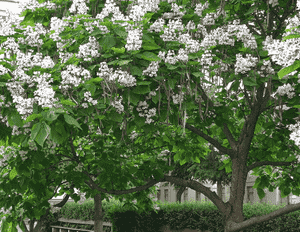
This shedding tree, recognized for its expansive, cordate foliage and prominent white blossoms, needs very little trimming. The main methods for cigartree involve eliminating deceased or injured limbs and sculpting for form and visual appeal. The best time for pruning is in late winter or early spring, prior to the emergence of new shoots. Trimming cigartree during this period reduces sap leakage and encourages robust spring development. Advantages encompass a more robust tree with better air movement and light access, which can boost blooming.
What Are the Benefits of Pruning Cigartree?
What Are the Benefits of Pruning Cigartree?
Trimming cigartree promotes robust development and preserves its unique form, ensuring a strong framework and pleasing appearance. Strategic cuts enhance light exposure and air movement, crucial for cigartree's vitality and blossoms.
What Is the Best Time for Pruning Cigartree?
What Is the Best Time for Pruning Cigartree?
Pruning cigartree from late winter to early spring coincides with its dormant phase when active growth has ceased, reducing stress and minimizing sap loss. Trimming before the new growth season begins helps cigartree recover quickly, channeling energy into fresh growth and maintaining a sturdy structure. This timing also prevents the removal of developing buds, ensuring that flowering and fruiting are not negatively affected, as cigartree typically blooms in late spring to early summer. Pruning during this period also allows for clear visibility of the tree's structure, enabling more precise cuts and healthy shaping. The likelihood of disease transmission by insects or fungi is lower in cooler weather, providing an additional benefit to pruning cigartree within this window.
What Tools Do I Need to Prune Cigartree?
Hand Pruners
For cigartree's young and smaller branches (under 1 inch in diameter), hand pruners (also known as secateurs) are perfect. They provide a clean cut, essential for the plant's health and recovery. Opt for bypass pruners over anvil-style for a cleaner cut.
Loppers
For medium-sized branches (up to approximately 2 inches in diameter), loppers offer the necessary leverage and reach. They ensure clean cuts without undue strain on the gardener or harm to cigartree.
Pruning Saw
For larger branches exceeding 2 inches in diameter, a pruning saw is indispensable. It allows cutting through thick wood without tearing the bark or damaging cigartree. A curved blade saw can boost efficiency.
Pole Pruner
Given cigartree's potential height and expansive canopy, a pole pruner is useful for trimming higher branches without needing a ladder, ensuring safety and ease of pruning.
Hedge Shears
If cigartree is shaped into a formal design or hedge, hedge shears can be used for shaping and maintaining its form. These are not suitable for removing large branches.
How to Prune Cigartree
Step1: Health & Structure Assessment
Evaluate cigartree's overall health and structure prior to pruning. Look for deadwood, diseased limbs, and weak branches that need removal. Perform this assessment during the dormant season, late winter or early spring, before leaves emerge.
Step2: Pruning Tool Sanitization
Disinfect your pruning tools with a solution of 1 part bleach to 9 parts water to prevent the spread of pathogens.
Step3: Deadwood Identification
Identify deadwood by its discolored, brittle, or decaying appearance. Deadwood will lack green tissue beneath the bark if you scrape a small section.
Step4: Proper Deadwood Removal
When removing deadwood, make clean cuts just beyond where living tissue begins. Use sharp, clean bypass pruners or a pruning saw, depending on branch thickness.
Step5: Diseased Limbs Cutting
Locate any diseased limbs, indicated by discoloration, unusual growths, or signs of insect infestation. Cut the diseased limbs at least a few inches into healthy wood to ensure all infected material is removed.
Step6: Weak Branch Pruning
Trim weak branches that show signs of damage or are thin and spindly. Remove them at the point where they connect with a stronger main branch or stem.
Step7: Directional Growth Cuts
When cutting branches, make angled cuts just above a bud or node pointing away from the center of cigartree. This encourages healthy outward growth.
Step8: Correct Branch Cutting Technique
Avoid cutting too close or leaving too much of a stub when removing branches, as this can hinder healing and promote disease.
Step9: Pruning Debris Cleanup
After pruning, clear all debris from around cigartree to prevent the spread of pests and disease.
Step10: Post-Pruning Mulching
Apply a thin layer of mulch around the base of cigartree, but keep it away from the trunk, to help retain soil moisture and provide nutrients.
Step11: Post-Pruning Monitoring
Monitor cigartree after pruning for signs of disease or pest issues, and address them promptly if they appear.
Step12: Pruning Extent Limitation
Limit the total amount of pruning done in any given season to no more than 25-30% of cigartree's canopy to avoid stressing the tree.
Post-Pruning Care for Cigartree
Post-Pruning Care for Cigartree
Immediately after pruning cigartree, ensure clean cuts to promote rapid healing. Place cigartree where it receives filtered sunlight; avoid intense midday sun. Maintain moderate humidity and stable temperatures. After pruning, postpone fertilization for a few weeks to minimize stress, then apply a balanced fertilizer to encourage growth. Regularly inspect the pruning sites for signs of infection or pest activity. If problems arise, treat promptly with appropriate fungicides or insecticides. Consistent monitoring and gentle care are crucial for cigartree's recovery and vitality.
Common Pruning Mistakes with Cigartree
Avoid Overpruning to Prevent Plant Stress
Excessive pruning, which can stress cigartree and lead to a weakened structure and reduced flowering.
Sterilize Tools Before Pruning to Avoid Disease Spread
Pruning without sanitizing tools, risking the transmission of disease to cigartree.
Avoid Cutting Thick Wood to Protect Healing Process
Cutting into the older, thicker parts of the wood which can harm cigartree's ability to heal and lead to disease.
Prevent Improper Healing by Avoiding Stubs and Flush Cuts
Leaving stubs or making flush cuts against the trunk, which can hinder proper healing and invite pests and decay.
Understand Plant Growth Before Pruning for Proper Shape
Pruning indiscriminately without understanding the growth pattern of cigartree, potentially resulting in an unbalanced or misshapen canopy.
Common Pruning Tips for Cigartree
Remove Dead or Diseased Branches to Maintain Plant Health
Identify and remove any dead, diseased, or damaged branches first to maintain the health and appearance of cigartree.
Prune with Clean Cuts Above Nodes for Healthy Regrowth
Make clean cuts at a 45-degree angle just above a leaf node or bud to encourage healthy regrowth in cigartree.
Use Sharp, Clean Tools for Precise Cuts and Disease Prevention
Use sharp and clean pruning tools to make precise cuts and prevent the transmission of diseases in cigartree.
Retain Natural Shape and Canopy Thickness for Sunlight and Air Flow
Retain the natural shape of cigartree by selectively pruning; avoid over-thinning the canopy to ensure sunlight penetration and air circulation.
Apply Mulch Post-Pruning to Protect Roots and Retain Moisture
After pruning, apply a thin layer of mulch around the base of cigartree without touching the trunk to help retain soil moisture and protect the roots.



