How to Prune Moreton bay chestnut?
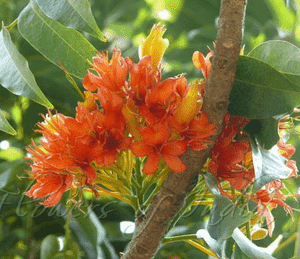
Hailing from the rainforests of Australia, the moreton bay chestnut is a substantial evergreen tree recognized for its lustrous green foliage and striking red and black seeds. Trimming entails excising deceased or ailing branches, reducing the density of the crown to allow light to pass through, and sculpting for visual appeal or managing its dimensions. The optimal period for pruning is winter, coinciding with its inactive phase, to lessen strain and foster robust growth in spring. It is vital to avoid excessive pruning, as the moreton bay chestnut thrives with gentle, targeted cuts. Pruning improves the plant's well-being, stimulates blooming, and helps sustain a manageable stature.
What Are the Benefits of Pruning Moreton Bay Chestnut?
What Are the Benefits of Pruning Moreton Bay Chestnut?
Trimming moreton bay chestnut promotes robust development and helps maintain its desired form. Strategic cuts foster a strong structure and dense foliage, crucial for the plant's beauty and vigor.
What Is the Best Time for Pruning Moreton Bay Chestnut?
What Is the Best Time for Pruning Moreton Bay Chestnut?
The optimal time for pruning moreton bay chestnut is from late winter to early spring, just before its active growth period begins. This timing allows pruning wounds to heal quickly during the upcoming growth phase, reduces stress on moreton bay chestnut, and helps prevent potential disease infection due to slower healing in colder temperatures. Additionally, pruning before moreton bay chestnut enters its vigorous growth phase enables the gardener to shape the plant and encourage stronger, healthier new growth better suited for bearing flowers and fruits in the subsequent season. Pruning at this time also facilitates the removal of any frost damage that may have occurred over winter.
What Tools Do I Need to Prune Moreton Bay Chestnut?
Bypass Pruners
Perfect for cutting younger or softer green stems of moreton bay chestnut without crushing plant tissue.
Anvil Pruners
Suitable for older, woody growth of moreton bay chestnut, where precision is less critical.
Lopping Shears
Offer leverage for making cuts on thicker branches of moreton bay chestnut, typically with a diameter larger than bypass pruners can handle.
Pruning Saws
Designed to cut through the hardwood of moreton bay chestnut's thicker branches and are useful for removing larger limbs.
Pole Pruners
Enable gardeners to reach and safely trim higher branches without a ladder, suitable for the taller growth habit of moreton bay chestnut.
Hedge Shears
Can be used for shaping and maintaining the foliage density of moreton bay chestnut, especially in a hedge or screen planting.
How to Prune Moreton Bay Chestnut
Sterilize Tools
Before beginning, disinfect pruning tools with a bleach solution or rubbing alcohol to prevent the spread of disease to moreton bay chestnut.
Identify Branches
Examine moreton bay chestnut for dead or diseased branches. Look for branches showing signs of damage, discoloration, or rot, indicating they require removal.
Cut Dead Branches
Using sharp, clean pruning shears, remove dead branches by cutting them where they meet healthy wood. Ensure cuts are at a slight angle to prevent water accumulation on the wound, which could lead to rot.
Remove Diseased Branches
Carefully prune away diseased branches, cutting well into healthy tissue to ensure all affected parts are removed from moreton bay chestnut. Dispose of these branches to prevent disease spread.
Seal Wounds
If necessary, apply a pruning sealant to the wounds on moreton bay chestnut to protect against pests and diseases. However, many horticulturists advise allowing the plant to heal naturally without sealants.
Common Pruning Mistakes with Moreton Bay Chestnut
Overpruning
Cutting back moreton bay chestnut too severely can stress the plant, leading to reduced vigor and fewer flowers. It is crucial not to remove more than a third of the foliage at any one time.
Blunt Tools
Using dull or dirty pruning tools can damage the branches of moreton bay chestnut, leading to ragged cuts more vulnerable to disease and pest infestation.
Stub Leaving
Leaving stubs after cutting branches can hinder the healing process of moreton bay chestnut and invite pests or decay, which can spread to healthy tissue.
Neglecting Disease
Failing to remove diseased, damaged, or dead branches can impede moreton bay chestnut's growth and overall health, as these areas are entry points for pathogens.
Improper Cuts
Making cuts too close to or too far from the bud can result in poor growth or dieback. It is important to make cuts at the correct angle and distance from the bud.
Common Pruning Tips for Moreton Bay Chestnut
Sharp Tools
Ensuring that pruning tools are sharp and clean before use on moreton bay chestnut will make cleaner cuts that heal faster and minimize the risk of spreading disease.
Directional Pruning
Prune moreton bay chestnut by making cuts that encourage growth in the desired direction. This typically means cutting above outward-facing buds to promote an open, outward-facing shape.
Timing
Although seasonal timing has been excluded, appropriate timing in relation to the plant's growth cycle and flowering habits is crucial for successful pruning of moreton bay chestnut.
Health Maintenance
Regularly remove any dead, diseased, or damaged branches from moreton bay chestnut to maintain plant health and prevent the spread of illnesses.
Aesthetic Shaping
While shaping moreton bay chestnut, consider the natural form of the plant. Aim for an aesthetically pleasing shape that does not compromise the plant's growth or flowering potential.



