How to Prune Long-leaf evergreen chinkapin?
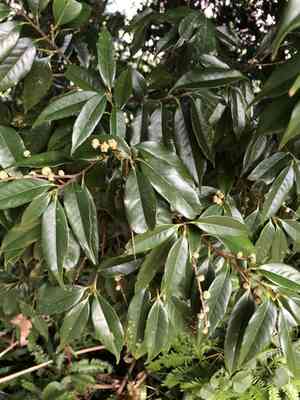
A robust broadleaf evergreen, long-leaf evergreen chinkapin flourishes with infrequent trimming to preserve its form and encourage robust development. The most suitable period for pruning is during its winter resting phase, which lessens strain and the outflow of sap. Essential methods involve excising deceased or impaired limbs and reducing crowded sections to boost air movement and light exposure. Consistent trimming improves long-leaf evergreen chinkapin's inherent structure and vitality, simultaneously diminishing the likelihood of ailments.
What Are the Benefits of Pruning Long-leaf Evergreen Chinkapin?
What Are the Benefits of Pruning Long-leaf Evergreen Chinkapin?
Trimming long-leaf evergreen chinkapin promotes vigorous development and maintains its desired form. Strategic cuts encourage new, strong branches and help shape the canopy for a more appealing outline.
What Is the Best Time for Pruning Long-leaf Evergreen Chinkapin?
What Is the Best Time for Pruning Long-leaf Evergreen Chinkapin?
The optimal time for pruning long-leaf evergreen chinkapin is from late winter to early spring, prior to the emergence of new growth. This timing allows gardeners to clearly view the plant's structure without leaf obstruction, simplifying branch selection for removal. Pruning during this dormant period also minimizes stress on long-leaf evergreen chinkapin as it is not actively growing, which can boost its vitality and health when growth resumes. Furthermore, removing dead or diseased branches at this time can prevent the spread of pathogens that thrive in warmer conditions. Additionally, since long-leaf evergreen chinkapin is a flowering plant, pruning after winter helps ensure that potential buds or future flowers are not removed, which often occurs with fall pruning.
What Tools Do I Need to Prune Long-leaf Evergreen Chinkapin?
Hand Pruners
Essential for making clean cuts on branches up to 3/4 inch in diameter, perfect for shaping long-leaf evergreen chinkapin or removing small, dead, or diseased limbs.
Loppers
With their extended handles, loppers provide the extra leverage needed to cut through branches up to 1 1/2 inches thick, which may commonly occur on long-leaf evergreen chinkapin, especially as it matures.
Pruning Saw
For branches thicker than 1 1/2 inches, a pruning saw is necessary. Its serrated blade allows for cutting larger branches with ease, useful for the thicker growth that long-leaf evergreen chinkapin can exhibit.
Hedge Shears
If shaping of long-leaf evergreen chinkapin hedges is required, hedge shears can quickly and evenly trim foliage to maintain a desired shape.
Pole Pruner
On taller specimens of long-leaf evergreen chinkapin, a pole pruner may be required to reach and safely prune higher branches without the use of a ladder.
How to Prune Long-leaf Evergreen Chinkapin
Clean tools
Before pruning long-leaf evergreen chinkapin, begin by sterilizing pruning tools with a solution of one part bleach to nine parts water to prevent the spread of diseases.
Inspect
Examine long-leaf evergreen chinkapin thoroughly, identifying dead or diseased branches, which often appear discolored, have dry/crumbly bark, or show signs of fungal growth.
Cut dead branches
Carefully remove dead branches from long-leaf evergreen chinkapin by making clean cuts with sharp shears. Cut close to the trunk or main branch without damaging the branch collar, which is essential for proper healing.
Cut diseased branches
Trim diseased branches from long-leaf evergreen chinkapin similarly to dead branches, ensuring each cut is made well below the affected areas to remove all diseased tissue. Dispose of diseased material promptly to avoid contamination.
Sanitize
After pruning long-leaf evergreen chinkapin, re-sanitize all tools using the bleach solution to prevent any potential spread of diseases to other plants.
Common Pruning Mistakes with Long-leaf Evergreen Chinkapin
Over-pruning
Removing too much foliage from long-leaf evergreen chinkapin at once can stress the plant and lead to poor growth or increased susceptibility to diseases.
Using dull tools
Pruning long-leaf evergreen chinkapin with dull tools can cause jagged cuts, making the plant more prone to infections.
Improper cut placement
Cutting too close or too far from the node can lead to improper healing and can damage long-leaf evergreen chinkapin's growth.
Tearing limb
Ripping or tearing branches rather than cutting can create wounds on long-leaf evergreen chinkapin that are more susceptible to disease.
Neglecting sanitation
Failing to sanitize pruning tools between cuts can spread diseases from infected parts of long-leaf evergreen chinkapin to healthy ones.
Common Pruning Tips for Long-leaf Evergreen Chinkapin
Clean cuts
Ensure cuts on long-leaf evergreen chinkapin are clean and made at a 45-degree angle to promote good healing and prevent water accumulation.
Sharp tools
Use sharp, sanitized pruning shears or a saw for long-leaf evergreen chinkapin to make precise cuts and reduce the risk of infection.
Prune selectively
Selectively remove only dead, damaged, or overcrowded branches from long-leaf evergreen chinkapin to maintain plant health and shape.
Thinning technique
Employ thinning cuts to remove entire branches or limbs of long-leaf evergreen chinkapin back to their point of origin to improve air circulation and light penetration.
Gradual pruning
Approach pruning long-leaf evergreen chinkapin gradually, especially when shaping the plant or reducing its size, to avoid shocking the plant and to monitor its response.



