How to Prune Golden shower tree?
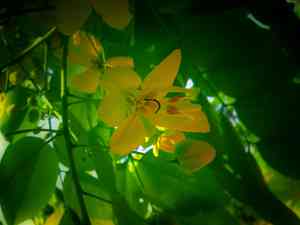
This deciduous tree showcases brilliant yellow flowers in spring, succeeded by fruit resembling pods. For the golden shower tree, ideal pruning entails excising impaired or ailing limbs, reducing density to improve air movement, and sculpting for visual appeal or spatial considerations. Trimming should occur in late winter prior to the commencement of the new flowering period to encourage robust development and abundant blooms. Pruning additionally aids in controlling the plant's dimensions, preserving its well-being, and amplifying the spectacle of its golden, flowing blossoms.
What Are the Benefits of Pruning Golden Shower Tree?
What Are the Benefits of Pruning Golden Shower Tree?
Trimming golden shower tree encourages more abundant yields, promotes robust development, and helps preserve its attractive form. This practice contributes to its well-being by eliminating dead or diseased limbs, fostering improved air movement, and allowing greater sunlight to reach the canopy, crucial for its prolific blooming and pod creation.
What Is the Best Time for Pruning Golden Shower Tree?
What Is the Best Time for Pruning Golden Shower Tree?
Trimming golden shower tree during late winter supports the plant's vitality and boosts its flowering capacity. This period follows golden shower tree's dormant phase, when growth is minimal, thereby lessening plant stress. Late winter pruning reduces the chance of disease and pest invasion, as open wounds can mend quickly in the subsequent growth season. Furthermore, it aids in removing frost-damaged branches, enabling the plant to direct energy into new growth. By cutting before spring, gardeners can shape the plant and manage its size, ensuring a plentiful flowering period typically observed from late spring to early summer.
What Tools Do I Need to Prune Golden Shower Tree?
Hand Pruners
Perfect for severing small branches up to 1 inch in diameter, suitable for shaping golden shower tree or removing minor, unwanted twigs.
Loppers
Offer leverage for cutting thicker branches, typically 1 to 2 inches in diameter, which golden shower tree may develop as it matures.
Pruning Saw
Crucial for cutting through branches exceeding 2 inches in diameter that appear on an older or well-established golden shower tree, especially when thinning the canopy.
Pole Pruner
Helpful for reaching elevated branches without needing a ladder, ensuring the gardener's safety when trimming taller specimens of golden shower tree.
Hedge Shears
Applicable for trimming and shaping the foliage of golden shower tree if it is being maintained as a hedge or for a formal appearance.
Gloves and Safety Goggles
Provide protection from thorns and wood splinters while pruning golden shower tree, ensuring the gardener's safety during the process.
How to Prune Golden Shower Tree
Step1: Timing Pruning Post-Bloom
Select the appropriate time to prune golden shower tree, which is immediately after the blooming period concludes. This usually happens in late fall or winter. Pruning at this time allows golden shower tree to recover properly and to regrow in the spring.
Step2: Inspect Plant for Pruning Areas
Examine golden shower tree for dead branches, diseased wood, and spent flowers. Use this initial inspection to plan the pruning process by identifying which parts require trimming.
Step3: Sterilize Pruning Tools
Sanitize your pruning tools to prevent the spread of illness. Use a solution of one part bleach to nine parts water to wipe down the blades.
Step4: Cut Dead Branches Appropriately
Begin by removing any lifeless branches. Make cuts at a 45-degree angle using sharp pruning shears or a saw, depending on the branch's thickness. Cut just above a live bud or branch junction, leaving about a 1/4 inch to avoid damage to the budding zone.
Step5: Remove Diseased Wood Safely
Trim diseased wood by cutting back to healthy tissue. Affected branches should be cut well below any discolored or visibly unhealthy areas. Dispose of diseased clippings carefully, away from your compost to avoid infecting other plants.
Step6: Trim Spent Flowers for Growth
Snip off old flowers to encourage new growth and a more abundant blooming period next season. Clip the spent flower stems just above the first set of full, healthy leaves.
Step7: Thin to Improve Circulation
Shape golden shower tree by thinning out congested areas to improve light penetration and air circulation. This will help reduce the likelihood of disease. Remove interior branches that cross or rub against each other.
Step8: Balance Structure and Appearance
Assess golden shower tree after pruning to ensure a balanced structure and appearance. Make any additional corrective cuts to achieve the desired shape and health of the tree.
Step9: Debris Cleanup to Prevent Disease
Clear away all trimmings and debris from the base of golden shower tree to reduce the likelihood of pest infestations and fungal diseases.
Step10: Post-Pruning Care and Recovery
Provide post-pruning care to golden shower tree by watering adequately and applying a balanced slow-release fertilizer to support recovery and new growth.
Post-Pruning Care for Golden Shower Tree
Post-Pruning Care for Golden Shower Tree
Immediately after trimming golden shower tree, ensure clean cuts to prevent disease entry. Place golden shower tree in partial shade to recover, avoiding extreme temperatures. Maintain moderate humidity and avoid overwatering. Apply a balanced, slow-release fertilizer to encourage growth. Regularly inspect the pruning sites for discoloration or oozing, indicative of stress or infection. If symptoms are detected, apply a suitable fungicide or contact a plant health specialist. Consistent monitoring of golden shower tree's response to pruning will dictate further care adjustments.
Common Pruning Mistakes with Golden Shower Tree
Damaging with Dull, Dirty Tools
Utilizing dull or unclean pruning tools, which can harm branches of golden shower tree and elevate the risk of disease.
Over-Pruning Stress
Trimming excessively at once, which can stress golden shower tree and lead to poor growth or reduced flowering.
Harmful Cuts Near Trunk
Cutting too close to the trunk or main branches, potentially causing wounds that can harm golden shower tree's health.
Improper Cutting Technique
Tearing or ripping branches instead of making clean cuts, which may prevent golden shower tree from healing properly.
Disregarding Natural Shape
Ignoring the natural form of golden shower tree, resulting in an unnatural appearance and potential damage to the tree's structure.
Pruning without Plan
Trimming without a clear objective or strategy, which can lead to excessive or insufficient cutting and affect golden shower tree's overall wellness.
Common Pruning Tips for Golden Shower Tree
Use Clean, Sharp Tools
Clean and sharpen tools before use to ensure precise cuts and reduce the risk of disease transmission to golden shower tree.
Angle Cuts to Prevent Rot
Make cuts at a 45-degree angle to prevent water from accumulating on the cut surface, which could promote rot or disease in golden shower tree.
Follow Natural Canopy Shape
Prune to maintain the natural canopy shape of golden shower tree, enhancing its aesthetic appeal and structural integrity.
Thin for Light and Air Flow
Thin out dense areas to improve light penetration and air circulation, which can enhance golden shower tree's overall health and flowering potential.
Remove Unhealthy Branches
Remove dead, diseased, or crossing branches to prevent decay and improve golden shower tree's vigor.
Three-Cut Method for Large Branches
When cutting back larger branches, use the three-cut method to prevent bark tearing: make a notch on the underside of the branch, then cut through the branch from the top beyond the notch, and finally, remove the stub.
Pruning with a Structured Plan
Create a pruning plan based on observation and knowledge of golden shower tree's growth habits, targeting specific areas that require attention for optimal health and bloom production.



